






Whole body red light therapy benefits and side effects
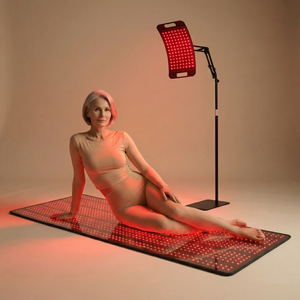
Whole body red light therapy has transitioned from an obscure clinical treatment to a staple in high-end wellness clinics, professional sports training facilities, and modern home biohacking setups. As an industry solution provider at Nicebeam, we interact with hundreds of clients trying to separate the legitimate clinical science from aggressive marketing hype. If you are considering investing in a full-body setup, you need to understand not only what the technology does, but whether it is actually worth buying for your specific physiological goals.

Quick Answer: Is Whole Body Red Light Therapy Worth It?
Yes. Whole body red light therapy (Photobiomodulation) utilizes specific 660nm and 850nm wavelengths to stimulate ATP production in the mitochondria across your entire body simultaneously. From our experience, it is highly effective for systemic inflammation reduction, accelerated muscle recovery, and broad-scale skin rejuvenation. However, it is not a magic cure-all. For commercial users or serious wellness advocates, upgrading from a localized spot-treatment device to a high-powered, medical-grade full-body bag or panel is a worthwhile investment. For beginners expecting overnight miracles, adjusting expectations to align with cellular biology is necessary.
Table of Contents
- What It Is: The Science of Photobiomodulation
- How It Works (And How It Doesn't)
- Proven Benefits: What Whole Body RLT Actually Does
- Limitations & Side Effects You Must Know
- Who Should Use It (And Who Shouldn't)
- Common Mistakes Users Make
- Buying Considerations: Panels vs. Bags
- Expert Recommendation: Nicebeam Full Body Bag
- Data Tables & Buying Guides
- Frequently Asked Questions
What It Is: The Science of Photobiomodulation
Whole body red light therapy, scientifically referred to as photobiomodulation (PBM), involves exposing the entire body to continuous, non-thermal light emitting diodes (LEDs). Unlike ultraviolet (UV) light from the sun or tanning beds which damages cellular DNA, red and near-infrared (NIR) light is bioactive and therapeutic. Clinical studies typically utilize wavelengths between 630nm to 700nm for red light, and 800nm to 900nm for near-infrared light.
When you use a localized device, you are targeting a specific concern. For example, if you want to explore the best red light wand for face, you are prioritizing localized facial collagen production. Whole body systems, on the other hand, bathe your entire dermal and muscular surface in these wavelengths. This systemic approach is designed to trigger a biological cascade of healing that localized devices simply cannot match due to their limited surface area.
How It Works (And How It Doesn't)
The mechanism of action for red light therapy is rooted deeply in cellular biology. The specific wavelengths of light are absorbed by a photoreceptor in your cells' mitochondria called cytochrome c oxidase. This absorption process kicks out nitric oxide (which often acts as a roadblock in stressed cells) and allows oxygen back in, dramatically increasing the production of adenosine triphosphate (ATP). ATP is the fundamental energy currency of your body.
With more cellular energy, your body repairs tissue, clears out inflammation, and regenerates cells at an accelerated rate. In most professional situations, we explain to clients that RLT does not "fix" the body directly; rather, it gives your cells the raw energy required to heal themselves efficiently. While spot treatments are excellent for specific dermatological issues—which you can see in the LED mask before and after results—a full body approach ensures that major muscle groups, joint capsules, and massive swaths of skin are simultaneously energized.
Proven Benefits: What Whole Body RLT Actually Does
When evaluating whether whole body RLT is worth the investment, we must look at the clinically backed benefits rather than marketing claims.
- Accelerated Muscle Recovery and Joint Pain: By reducing oxidative stress and inflammation, whole body RLT significantly cuts down on delayed onset muscle soreness (DOMS). It is heavily utilized by professional athletes to recover faster between intense training sessions. Research has also shown it to be an effective short-term treatment for rheumatoid arthritis stiffness.
- Systemic Skin Health and Anti-Aging: Red light stimulates fibroblast production, which directly increases collagen and elastin synthesis. While many users look for a specific red light therapy for wrinkles guide, a full-body setup ensures that skin across your chest, arms, legs, and back receives the same anti-aging benefits as your face.
- Enhanced Wound Healing and Scar Reduction: Increased blood circulation and ATP production lead to faster tissue repair. It is highly effective for post-surgical recovery and fading stretch marks or widespread scars.
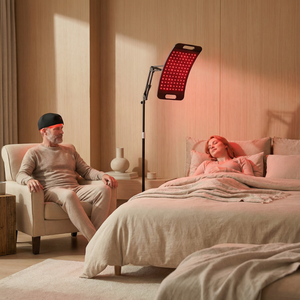
- Improved Sleep and Circadian Rhythm: Exposure to red light in the evening can help stimulate melatonin production, especially when used to counteract the damaging effects of blue light from screens.
Limitations & Side Effects You Must Know
We believe in absolute transparency. While red light therapy is FDA-cleared and non-invasive, it is not without limitations. First and foremost, you cannot out-light a terrible diet or chronic sleep deprivation. It is an enhancer, not a replacement for fundamental health practices.
Regarding safety, we often get questions about red light therapy side effects. Generally, they are incredibly mild. However, high levels of intense light from commercial-grade panels can cause temporary redness, mild skin irritation, or eye strain if you do not wear protective goggles. If you have sensitive skin or conditions that make you photosensitive, such as lupus, you must consult a dermatologist before beginning treatment. For facial concerns specifically, those with highly reactive skin might first want to investigate the best LED masks for rosacea to test their tolerance to localized light before jumping into a full-body setup.
Who Should Use It (And Who Shouldn't)
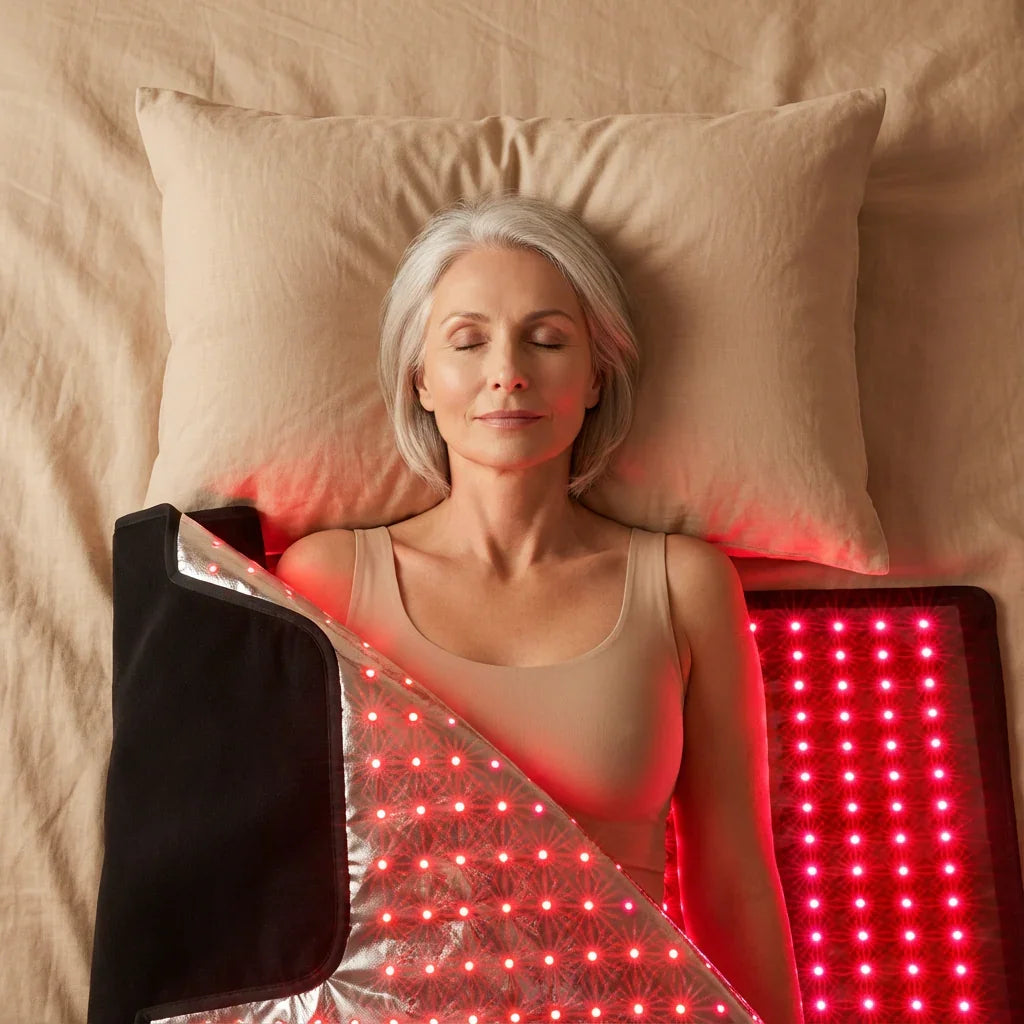
For heavy-duty applications: Professional athletes, chronic pain sufferers, biohackers, and commercial spa owners are the primary candidates for whole body systems. If you suffer from systemic inflammation, arthritis, or severe muscle fatigue, the investment in a full-body system will pay dividends in your quality of life.
For beginners: If you are completely new to photobiomodulation and primarily care about facial wrinkles or mild acne, you do not need to spend thousands on a full-body bed or panel right away. We recommend starting with one of the best red light therapy masks 2026 has to offer. This allows you to experience the technology safely and cost-effectively.
Who does not need it: Individuals strictly looking to treat specific localized issues like hair loss. If you want to stop a receding hairline, a full-body panel is inefficient. Instead, you should invest in specialized equipment like the red light therapy for hair growth caps, or the best red light therapy brushes for hair, which target the scalp directly.
Common Mistakes Users Make
In our testing, the biggest mistake consumers make is inconsistent application and poor proximity control. Light energy dissipates rapidly over distance. If you stand too far from a therapy panel, the actual irradiance (measured in mw/cm²) reaching your skin drops to practically nothing, rendering the session useless.
Another frequent error is using an underpowered device. Many cheap online knockoffs do not emit the precise 660nm and 850nm wavelengths required for cellular absorption. Whether you are learning how to use red light therapy wand on face or configuring a full-body setup, the clinical power of the LEDs is the single most critical factor in your success.
Buying Considerations: Panels vs. Bags
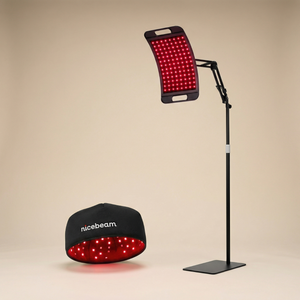
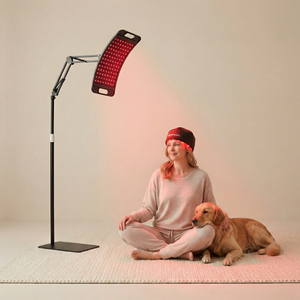
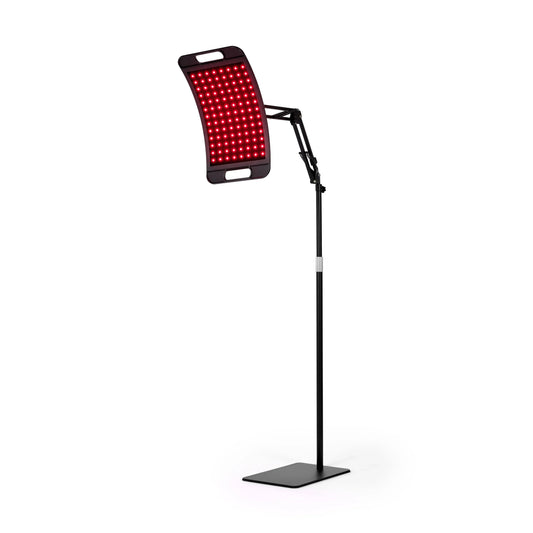
When you are ready to purchase a whole body system, you generally choose between rigid metal panels, acrylic beds, or flexible neoprene bags. For commercial users, massive multi-panel setups are standard, but they take up extensive floor space and cost thousands. If you are a home user weighing your options, you might have already researched affordable red light therapy masks, but want something more comprehensive without dedicating a whole room to it.
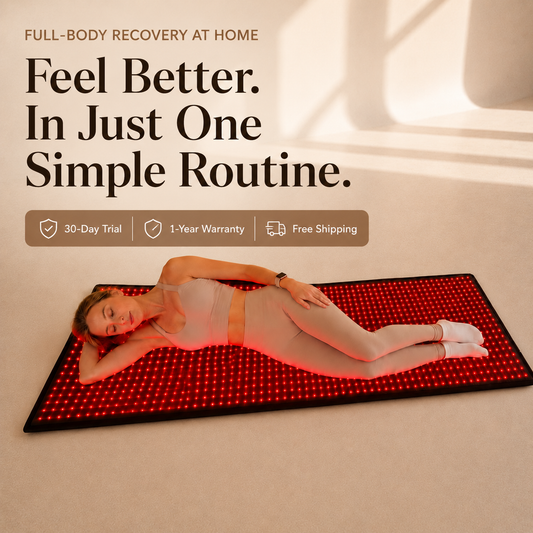
This is where flexible red light therapy bags excel. They wrap around the body, eliminating the "distance decay" of light by keeping the LEDs directly against the skin. They are easily stored, highly potent, and significantly more affordable than rigid steel panels.
Expert Recommendation: Nicebeam Full Body Bag
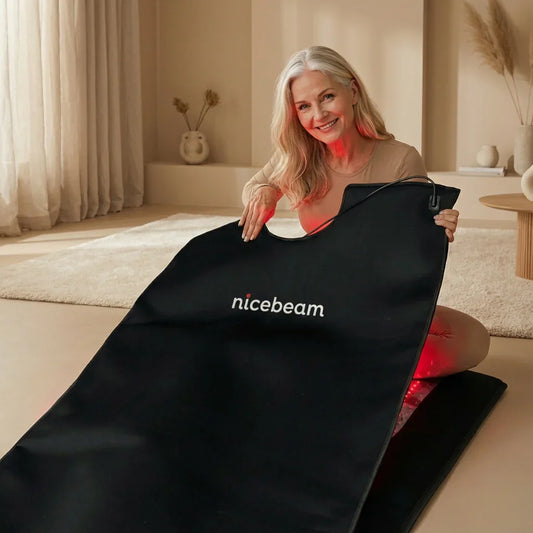
If you are looking for the ultimate balance of clinical power, total body coverage, and storage convenience, we strongly recommend the Nicebeam Full Body Red Light Therapy Bag. In our testing, the direct skin contact provided by the medical-grade neoprene ensures zero light energy is lost to the surrounding room, delivering a massive 130mw/cm² irradiance directly into your tissue.
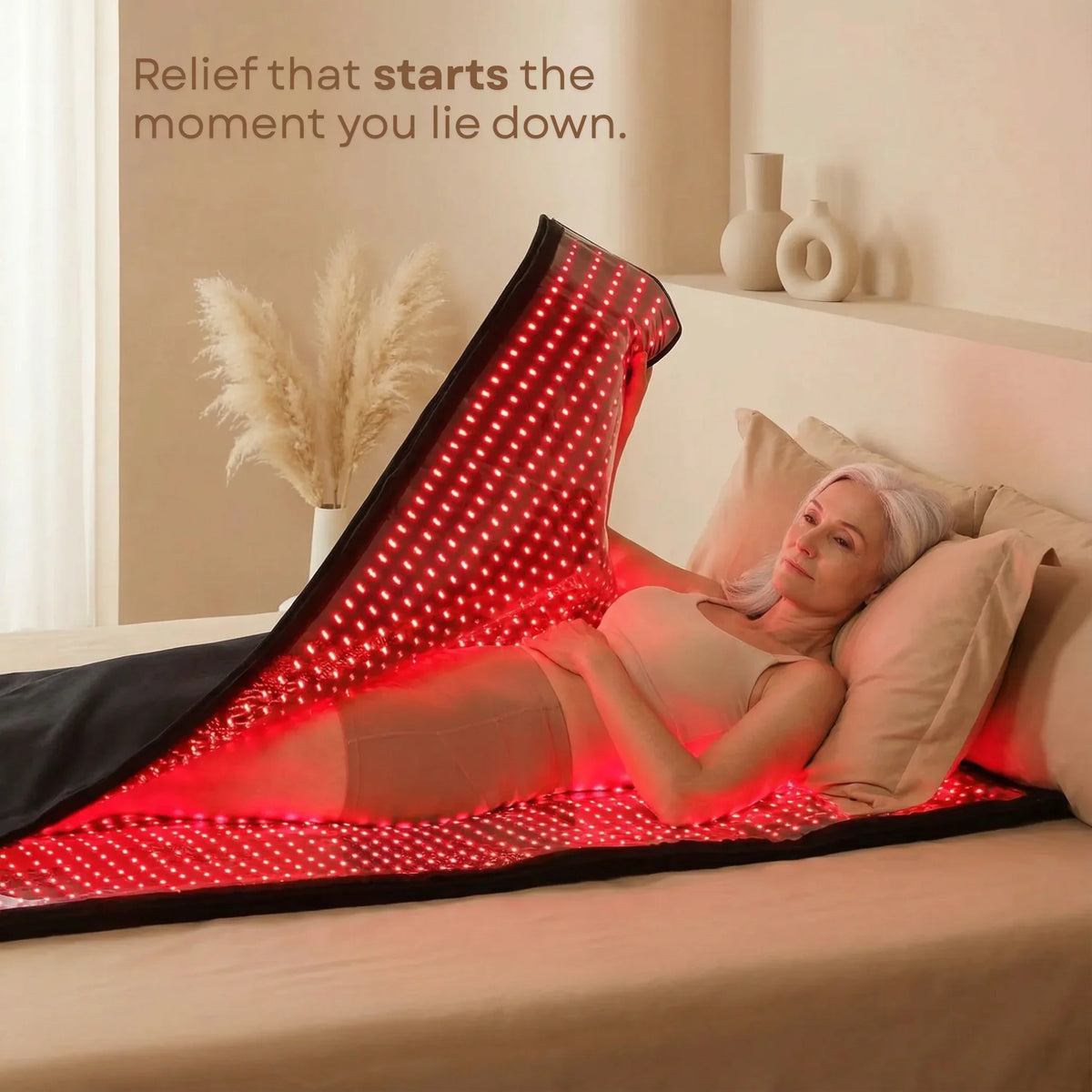
Nicebeam Full Body Red Light Therapy Bag
Engineered for professional-grade photobiomodulation in a home environment. With over 7,500 clinical-grade LEDs, this therapy bag delivers true 360-degree cellular rejuvenation, driving maximum ATP production directly into your muscles, joints, and skin.
- LED Quantity: 7,560 LEDs
- Wavelengths: 660nm (Red) & 850nm (Near-Infrared)
- Irradiance: 130mw/cm² @ 0 inches
- Available Sizes: 160cm x 60cm (63in x 23.6in) | 180cm x 80cm (70.8in x 31.5in)
- Material: Medical-grade Neoprene
- Power Specs: 120 Watts | 100-240V, 50-60Hz | 24V 5A UL Listed Driver
- Features: 1%-100% adjustable brightness, 1-60 minute timer
- Weight & Warranty: 15 pounds | 1 Year Warranty
(Note: While some users seek out the best red light therapy for eyesight, it is critical to wear the provided protective eyewear when utilizing high-powered full body devices like the Nicebeam Bag to prevent optical strain.)
Data Tables & Buying Guides
| Device Type | Best For | Average Cost | Coverage Area |
|---|---|---|---|
| Full Body Bag (Nicebeam) | Direct skin contact, systemic recovery, easy storage | $800 - $1,500 | 360-Degree Full Body |
| Rigid Panels | Commercial gyms, standing treatments | $1,000 - $4,000+ | Front or Back (depending on setup) |
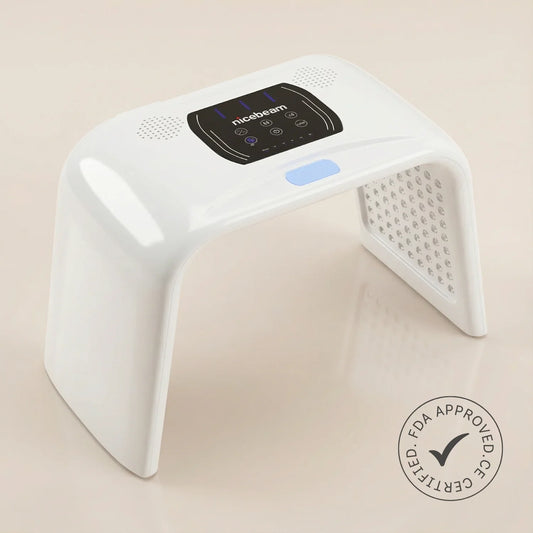
| Facial Masks | Targeted anti-aging, acne, rosacea | $150 - $400 | Face Only |
| Handheld Wands | Spot treating small joints, localized wrinkles | $50 - $150 | Targeted Spot Treatment |
| Pros (Benefits) | Cons (Limitations) |
|---|---|
| Drastically accelerates muscle and joint recovery. | High initial upfront cost for quality, full-body devices. |
| Promotes systemic collagen production for anti-aging. | Requires absolute consistency (3-5 times a week) for real results. |
| Non-invasive, painless, and completely UV-free. | Takes up space in the home (unless using a flexible bag). |
| Reduces chronic inflammation at a cellular level. | Overuse can cause temporary tissue fatigue or mild skin redness. |
| Feature | Why It Matters | What We Recommend |
|---|---|---|
| Wavelengths | Different depths of tissue require different light spectrums to penetrate effectively. | Dual chips offering strictly 660nm (Red) and 850nm (NIR). |
| Irradiance | Measures the power density delivered to the skin. Low irradiance means the light won't penetrate deeply. | At least 100mw/cm² at the skin surface (0 inches). |
| Total LED Count | Determines the density and evenness of the light spread across the body. | High density is better. A full-body setup should exceed 5,000 LEDs. |
| Skin Contact | Light energy drops exponentially over distance (Inverse Square Law). | Flexible materials (like Neoprene bags) that allow the LEDs to sit directly against the skin. |
Authoritative References & Clinical Citations
To ensure our claims are rooted in established science, we reference the following clinical and dermatological authorities:
- Cleveland Clinic: Red Light Therapy: Benefits, Side Effects & Uses - Details the physiological interaction between red light, cellular mitochondria, and collagen production.
- American Academy of Dermatology (AAD): Is red light therapy right for your skin? - Explains the safety profile, FDA clearance standards, and mild temporary side effects associated with LED light treatments.
- National Institutes of Health (NIH) / PubMed: Mechanisms and applications of the anti-inflammatory effects of photobiomodulation - Peer-reviewed academic overview of how PBM alters cellular pathways to reduce systemic inflammation and accelerate wound healing.