Skip to content
Explore red light therapy devices designed for everyday use.
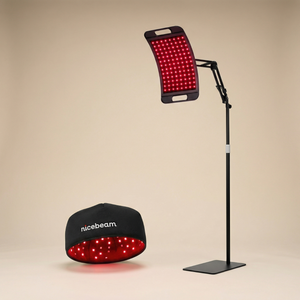
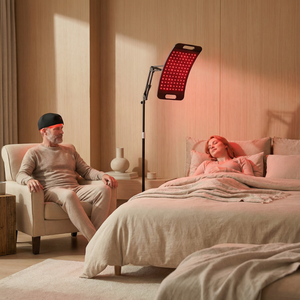
Most people can't wind down because their body never gets the signal to stop. Blue-heavy light from screens keeps stress hormones elevated long after the day ends. Red and infrared light does the opposite — it tells your nervous system to slow down, your muscles to release, and your body to begin repairing. Turn it on an hour before bed. The shift is subtle but unmistakable. You feel calmer before you even realize it's happening.
Sleep quality and recovery don't flip overnight — they improve steadily with consistent evening use. Here's what the change looks like.
Evenings feel calmer. You fall asleep more easily and wake up feeling slightly more rested. Muscle tension that usually lingers into the next morning begins releasing sooner.
Sleep quality improves noticeably — deeper, less interrupted. Physical recovery after activity is faster. Daily stress feels more manageable because your baseline has genuinely shifted.
Waking up tired is no longer your default. Energy is more stable through the day. Skin looks healthier. The chronic tension and fatigue that defined your evenings has quietly become the exception, not the rule.
The Last Thing You Turn On. The Most Important.
Evening light that works with your body.
Supports melatonin, not disruption
Infrared for overnight recovery
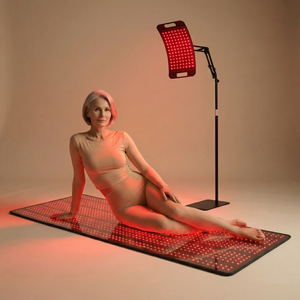
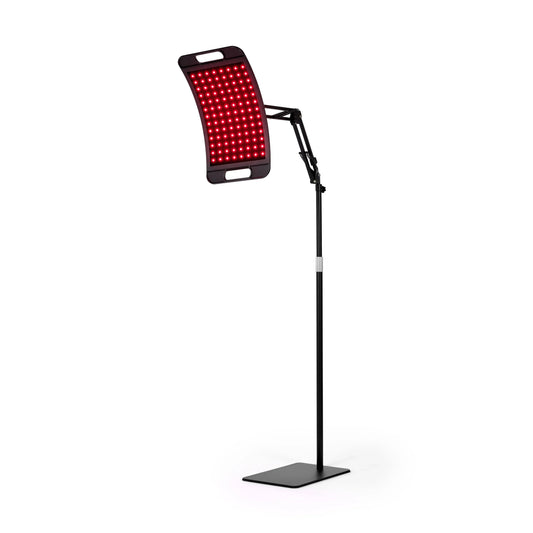
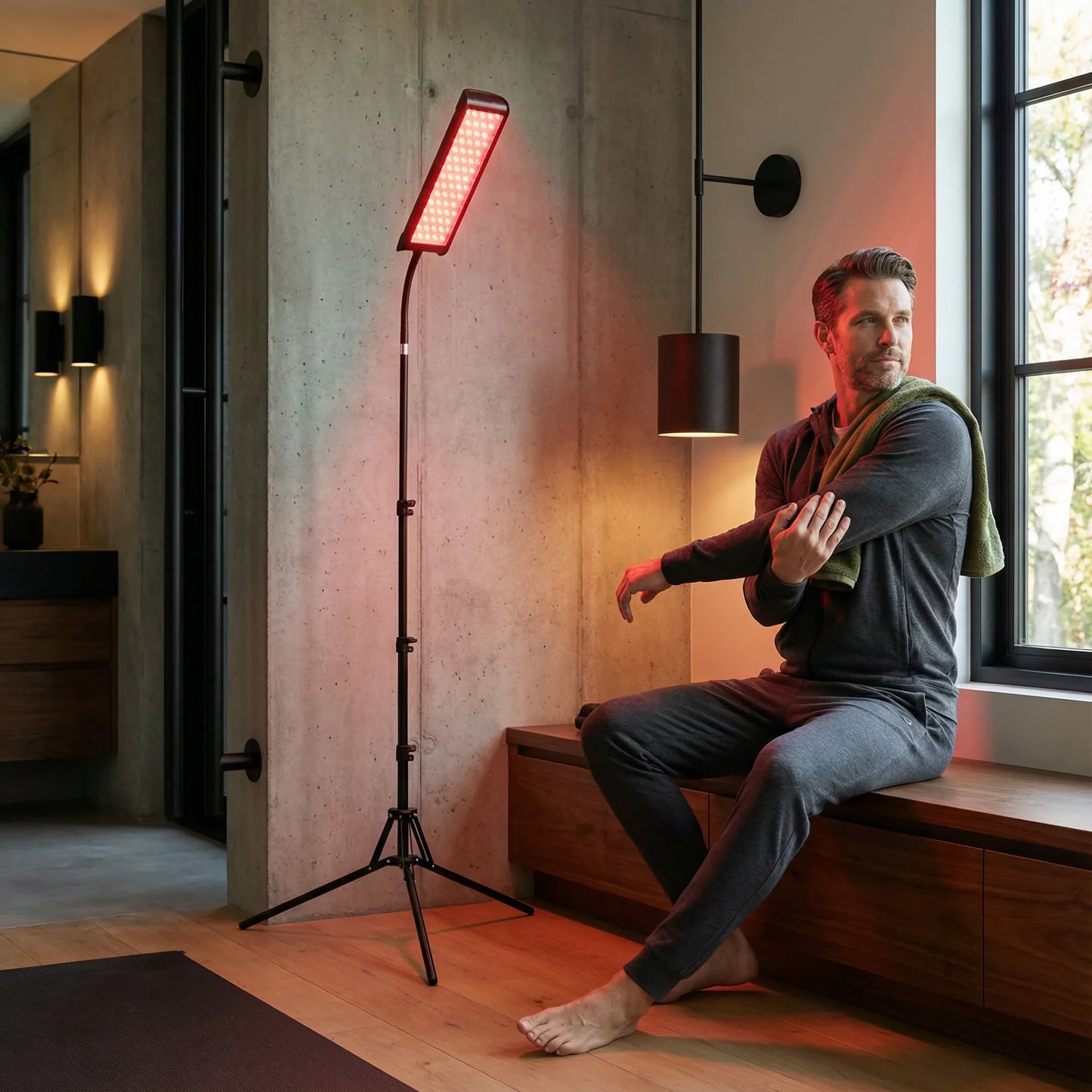
Lamp design for any living space
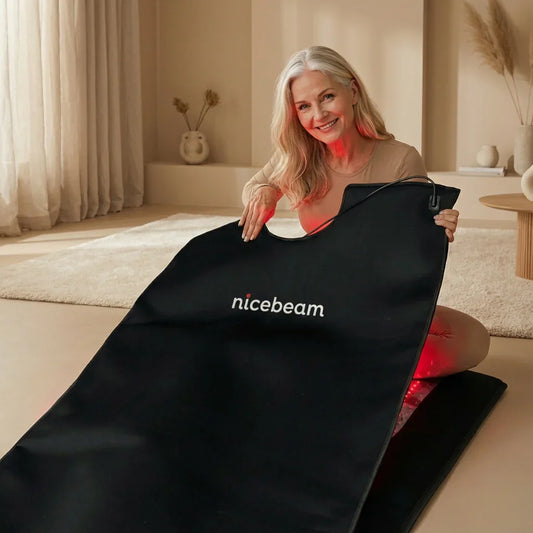
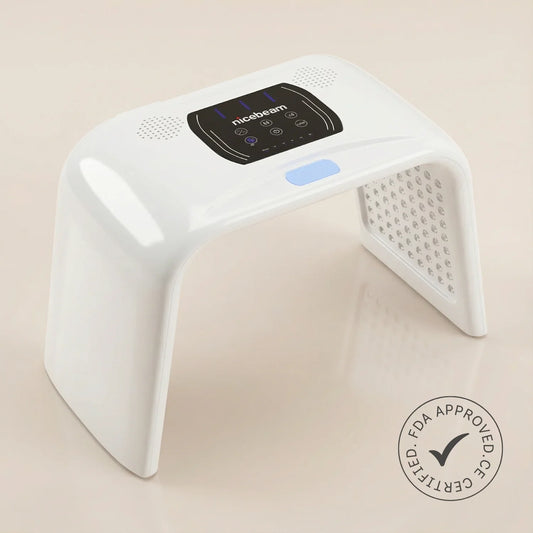
Sleep + recovery + skin in one
Yes. Red light supports the body's natural melatonin production by avoiding the blue-spectrum wavelengths that suppress it. When you wind down under red light instead of screen light, your body gets an uninterrupted signal to prepare for sleep. Near-infrared adds a physiological layer — reducing inflammation and tension that keep the nervous system in an alert state. The mechanism is established, not theoretical.
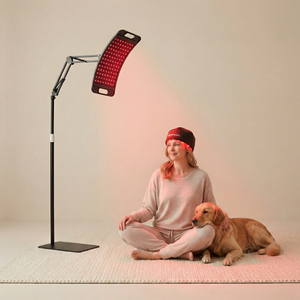
Turn the lamp on 30–60 minutes before you plan to sleep. Position it nearby — bedside table, desk, or floor — so it illuminates the room without you needing to look directly at it. Use it during your natural wind-down routine: reading, stretching, or simply relaxing. Sessions of 20–40 minutes are typical. Use it every evening for best results — consistency is what builds the sleep improvement over time.
Yes. Red and near-infrared light in therapeutic ranges is non-invasive, generates no UV radiation, and has no known side effects for nightly use in healthy adults. Avoid staring directly into the light source for extended periods — but ambient lamp use in a room is entirely safe. The Nicebeam Sleep Recovery Lamp is designed for exactly this: passive, background evening use with no risk profile.
Most users notice they fall asleep more easily and feel calmer in the evenings within the first 1–2 weeks. Deeper, more consistent sleep quality typically develops between weeks 3 and 6. By 8–12 weeks of nightly use, the improvement in how you fall asleep, stay asleep, and wake up becomes your new baseline — not a lucky night, but your standard.