






What Does Poly Red Light Therapy Do? An Expert Analysis
Poly red light therapy dominates the clinical aesthetics and sports recovery markets, but the terminology often creates massive confusion for consumers. "Poly" stands for polychromatic, meaning the equipment emits multiple specific wavelengths of light simultaneously rather than a single isolated band. Clinics charge exorbitant fees for these sessions, masking the basic biological reality of how these photons interact with human cells. You do not need a medical degree to understand what this technology accomplishes, nor do you need to spend thousands of dollars at a dermatologist's office to reap the exact same physiological benefits at home.

From our experience engineering and auditing Medical grade red light therapy devices, the effectiveness of poly red light therapy comes down to precise irradiance and dual-wavelength penetration. We will cut through the clinical jargon, explain exactly what poly red light therapy does to your cellular infrastructure, and help you determine whether buying high-end at-home equipment is a smarter commercial decision than paying for individual clinic sessions.
Quick Answer: What Does Poly Red Light Therapy Do?
Poly red light therapy stimulates the mitochondria within your cells to produce more adenosine triphosphate (ATP), the primary energy carrier in the human body. By utilizing a "polychromatic" approach—typically simultaneously emitting 660nm red light and 850nm near-infrared light—it addresses both surface-level skin rejuvenation (boosting collagen and reducing wrinkles) and deep-tissue healing (reducing joint inflammation, easing muscle pain, and accelerating recovery). In short, poly red light therapy supercharges your body's natural cellular repair mechanisms without using UV rays or generating excessive heat.
Table of Contents
- What It Is: Understanding Polychromatic Systems
- How It Works: The Cellular Mechanism
- Primary Benefits of Poly Red Light Therapy
- Limitations and Clinical Bottlenecks
- Who Should Use It
- Who Does Not Need It
- Common Mistakes Users Make
- Buying Considerations for Equipment
- Expert Recommendation
- Summary and Comparison Tables
- Frequently Asked Questions
What It Is: Understanding Polychromatic Systems
Poly red light therapy is a therapeutic modality that utilizes multi-wavelength light-emitting diodes (LEDs) to trigger photobiomodulation. The term "poly" specifically references the use of two or more wavelengths operating concurrently. While older, cheaper devices might only offer a single 630nm red light, legitimate poly red light therapy systems combine visible red light with invisible near-infrared (NIR) light.
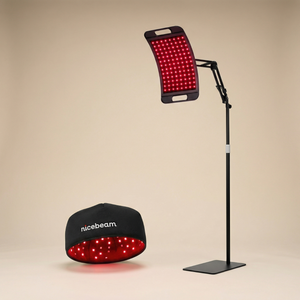
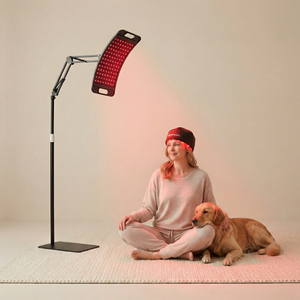
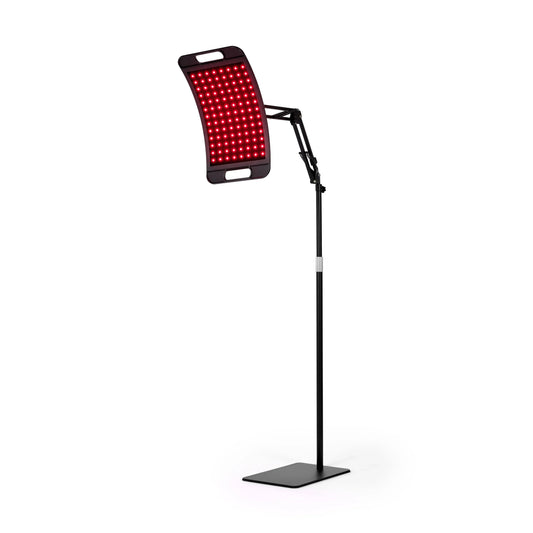
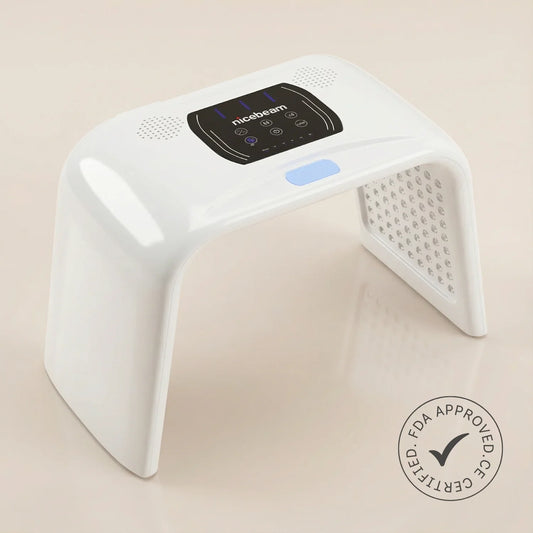
Clinics often use massive articulating panels branded as POLY systems, which wrap around the face or body. However, the biological effect is not exclusive to commercial machines. High-density, professional-grade at-home mats and panels duplicate the exact same polychromatic output. When evaluating Best at-home red light therapy devices, ensuring they offer this dual-spectrum poly red light therapy is the most critical baseline requirement.
How It Works: The Cellular Mechanism
In most professional situations, poly red light therapy works by bypassing the skin's defense mechanisms without causing thermal damage. When the light photons enter your body, they are absorbed by a light-sensitive enzyme in your cells called cytochrome c oxidase. This absorption kicks off a massive increase in the production of ATP.
Because poly red light therapy uses multiple wavelengths, it operates on two distinct physical depths. The 660nm red light waves stop within the dermis and epidermis, aggressively stimulating fibroblasts to synthesize new collagen and elastin. Simultaneously, the 850nm NIR waves penetrate deeply through the skin, reaching muscle tissue, ligaments, and even bone to increase blood circulation and flush out inflammatory markers. For a deeper dive into how deep-tissue penetration operates, review our Near infrared light therapy devices guide.
Primary Benefits of Poly Red Light Therapy
The clinical results of consistent poly red light therapy are exhaustive, but they generally fall into three distinct commercial categories:
- Dermatological Rejuvenation: It drastically reduces the appearance of fine lines, accelerates the healing of acne scars, and minimizes hyperpigmentation by forcing the body to naturally rebuild its collagen matrix.
- Musculoskeletal Recovery: Athletes utilize poly red light therapy to clear lactic acid build-up faster, reducing delayed onset muscle soreness (DOMS) and speeding up recovery times between heavy training blocks.
- Chronic Pain Management: For individuals suffering from osteoarthritis, joint degradation, or fibromyalgia, the deep-penetrating 850nm NIR light reduces localized inflammation, providing systemic pain relief without pharmaceuticals.
Limitations and Clinical Bottlenecks
Poly red light therapy is not magic; it requires relentless consistency. If you only undergo one treatment a month, you are wasting your capital. This exposes the massive limitation of clinical poly red light therapy: the logistics and the cost. Dermatologists routinely charge $50 to $100 per 20-minute session. To see actual biological change, you need three to five sessions a week. Paying $2,000 a month for clinical sessions is a terrible financial decision when you can purchase enterprise-grade hardware for a fraction of that annual cost.
Who Should Use It
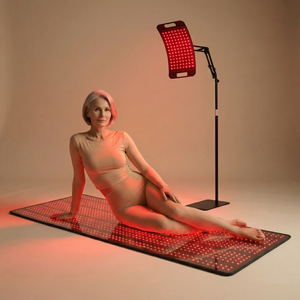
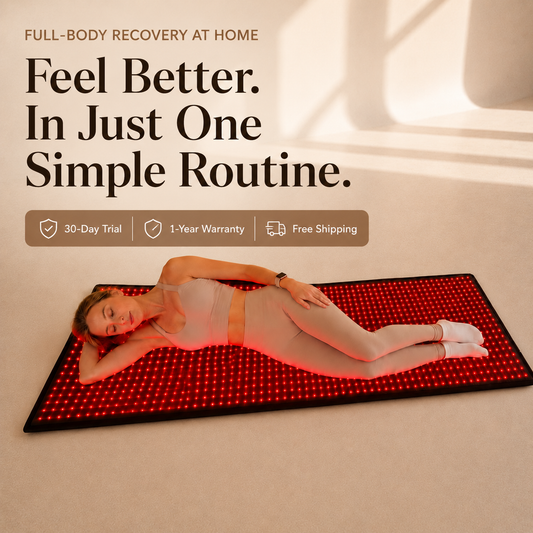
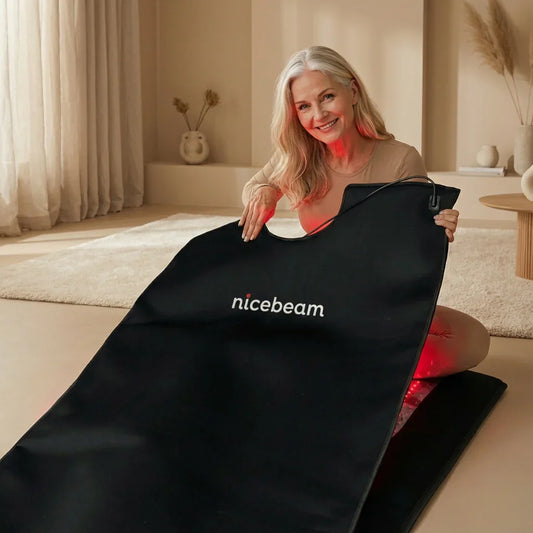
For commercial users, high-end medspas, and physical therapy clinics, buying a dedicated commercial poly red light therapy articulating panel makes sense to drive service revenue. However, for individual consumers suffering from chronic joint pain, severe cystic acne, or ongoing sports injuries, acquiring a red light therapy mat that delivers the same poly-wavelengths directly into the skin is the most efficient protocol available.
Who Does Not Need It
For beginners who only want to spot-treat a single minor blemish on their chin, investing in massive full-body poly red light therapy systems is severe overkill. A small, targeted red light therapy pad or wand is more than sufficient for localized, low-intensity cosmetic touch-ups.
Common Mistakes Users Make
In our testing, the most catastrophic mistake users make is ignoring proximity and irradiance. The power of light diminishes exponentially the further you move away from the source (the Inverse Square Law). If you stand three feet away from a poly red light therapy panel, you are receiving a fraction of the therapeutic dose. This is why full-body mats, where the LEDs rest directly flush against the skin, outperform distant standing panels in terms of actual cellular absorption.
Buying Considerations for Equipment
For heavy-duty applications, you must evaluate the specifications of the poly red light therapy device before purchasing. First, verify the wavelengths: it must strictly offer 660nm and 850nm. Second, check the total irradiance (measured in mw/cm²); anything below 50mw/cm² will struggle to penetrate deep tissue effectively. Finally, prioritize devices made with medical-grade materials that emit zero electromagnetic fields (EMF). If you are mapping out a home setup, consult a comprehensive Red light therapy mat buying guide to ensure you do not buy underpowered novelty hardware.
Summary and Comparison Tables
| Wavelength Spectrum | Target Depth | Primary Physiological Action |
|---|---|---|
| Red Light (660nm) | Surface (Epidermis/Dermis) | Collagen synthesis, wrinkle reduction, wound healing, acne scar mitigation. |
| Near-Infrared (850nm) | Deep Tissue (Muscles/Joints) | Inflammation reduction, pain relief, accelerated muscle recovery, bone health. |
| Polychromatic (Combined) | Full Spectrum Penetration | Systemic ATP boosting, full-body rejuvenation, comprehensive recovery. |
| Feature | Clinical Poly Red Light Therapy Machines | Nicebeam At-Home Full Body Mat |
|---|---|---|
| Irradiance Power | High (Often >100mw/cm²) | Very High (130mw/cm² at 0 distance) |
| Distance from Skin | 4 to 12 inches away from the body | 0 inches (Direct skin contact) |
| Wavelengths | Dual (660nm / 850nm) | Dual (660nm / 850nm) |
| Cost Over 1 Year | $5,000+ (Assuming 3x weekly sessions) | $799 Flat (Unlimited lifetime sessions) |
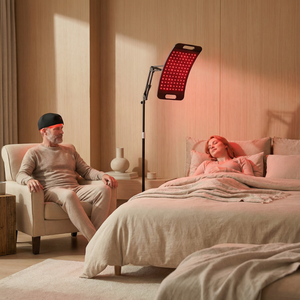
| Convenience | Requires booking and travel time | Use instantly in bed or on the floor |
| Pros | Cons |
|---|---|
| Non-invasive, painless, and completely free of UV damage. | Requires strict consistency (3-5 times a week) to see long-term results. |
| Addresses skin cosmetics and deep joint pain simultaneously. | Clinical sessions are a massive recurring financial drain. |
| Backed by thousands of peer-reviewed clinical studies. | Cheap, generic knock-off devices flood the market with fake specifications. |
Expert Recommendation
We recommend entirely bypassing the markup of commercial dermatology clinics. Poly red light therapy is highly effective, but paying per session is an outdated consumer model. If you want the systemic benefits of polychromatic therapy—boosting your ATP, clearing inflammation, and tightening your skin—you must acquire a device that allows for zero-distance skin contact and daily use. Purchasing a full body red light therapy mat pays for itself within the first month of avoided clinic visits.

Frequently Asked Questions
Is poly red light therapy safe for daily use?
Yes. Because poly red light therapy uses non-ionizing wavelengths, it does not damage DNA or burn the skin like UV rays. In most professional situations, daily treatments of 10 to 20 minutes per body area are highly recommended to maintain elevated ATP production and continuous cellular repair.
Does poly red light therapy help with weight loss?
Poly red light therapy is not a standalone weight-loss miracle. However, studies show that deep-penetrating 850nm near-infrared light can temporarily alter the permeability of adipocytes (fat cells), allowing lipids to leak out and be processed by the lymphatic system. It is highly effective when paired with a caloric deficit and exercise, but useless on its own for primary fat reduction.
Can I wear clothes during a poly red light therapy session?
No. To achieve the physiological benefits discussed, the light photons must hit your bare skin. Clothing—even thin fabrics—will reflect or absorb the light, preventing it from reaching your cells. You must expose the target treatment area completely during the session.
Authoritative Industry References
To ensure our therapeutic guidelines align with established medical science, we reference data from the following authoritative bodies regarding photobiomodulation:
- National Institutes of Health (NIH) / PubMed - Extensive clinical trials detailing the efficacy of low-level light therapy (LLLT) and polychromatic LED action on tissue repair and joint pain.
- NASA Spinoff Technologies - Historical and operational data on the development of highly luminous LEDs for stimulating plant and human cellular growth during spaceflight.
- American Academy of Dermatology (AAD) - Professional guidelines on the use of visible light devices, including red and blue spectrums, for the treatment of dermatological conditions.
For more insights on upgrading your home wellness routine, explore our guide on the Top red light therapy mats for home use.