







Red Light Therapy for Sleep: The Science-Backed Improvement Guide
Table Of Contents
- Understanding the Connection Between Light and Sleep
- How Red Light Therapy Improves Sleep Quality
- The Science Behind Red Light and Circadian Rhythm
- Why Wavelengths Matter for Sleep Enhancement
- Evidence-Based Protocols for Sleep Improvement
- Optimal Timing and Duration for Maximum Benefits
- Choosing the Right Red Light Therapy Device
- Complementary Sleep Optimization Strategies
- What to Expect: Timeline and Results
If you've struggled with falling asleep, staying asleep, or waking up feeling truly rested, you're not alone. Nearly one-third of adults report insufficient sleep, and the consequences extend far beyond morning grogginess. Poor sleep affects everything from cognitive function and emotional regulation to immune health and metabolic processes. While sleep hygiene advice abounds, emerging research points to a surprisingly simple yet powerful tool that addresses sleep at its biological root: red light therapy.
Red light therapy uses specific wavelengths of light to influence cellular function and hormonal balance, particularly the systems that govern your sleep-wake cycle. Unlike the disruptive blue light emitted by screens and overhead lighting, red and near-infrared wavelengths work in harmony with your body's natural circadian rhythm, supporting melatonin production and promoting the physiological conditions necessary for deep, restorative sleep. The science behind this approach isn't just theoretical—clinical studies have demonstrated measurable improvements in sleep quality, duration, and onset time.
This comprehensive guide explores the mechanistic relationship between red light therapy and sleep improvement, examining the research that supports its effectiveness and providing practical protocols you can implement at home. Whether you're dealing with occasional restlessness or chronic sleep disturbances, understanding how targeted light exposure influences your biology offers a drug-free pathway to better nights and more energized mornings.
Understanding the Connection Between Light and Sleep
Your relationship with sleep is fundamentally tied to light exposure, a connection forged over millions of years of evolution. Before artificial lighting, humans synchronized their sleep-wake patterns with natural daylight cycles, exposing themselves to bright blue-enriched light during morning and midday hours, then transitioning to the warm red tones of sunset before complete darkness. This pattern wasn't merely coincidental—it provided the precise signals your body needed to regulate internal timing mechanisms.
Modern life has dramatically disrupted this ancestral pattern. We spend our days indoors under inadequate lighting that fails to provide sufficient circadian stimulation, then flood our evenings with blue-spectrum artificial light from devices and LED bulbs. This artificial light environment sends contradictory signals to your brain, suppressing melatonin production when you should be winding down and contributing to what researchers call "social jet lag"—a chronic misalignment between your biological clock and your daily schedule.
The impact extends beyond simple tiredness. Circadian disruption has been linked to increased risk of metabolic disorders, mood disturbances, weakened immune function, and accelerated aging processes. Your circadian system doesn't just control sleep—it orchestrates hormone release, body temperature fluctuation, digestive processes, and cellular repair timing throughout every 24-hour period. When light exposure patterns become chaotic, these interconnected systems fall out of sync.
Red light therapy offers a way to recalibrate this disrupted system by providing light exposure that supports rather than undermines your natural biology. By understanding how different wavelengths affect your physiology, you can strategically use light as a tool to strengthen circadian signals and restore healthy sleep patterns.
How Red Light Therapy Improves Sleep Quality
Red light therapy influences sleep through multiple complementary mechanisms that address both the timing and quality of rest. The primary pathway involves direct effects on melatonin, the hormone that signals your body to prepare for sleep. Unlike blue light, which actively suppresses melatonin production, red and near-infrared wavelengths have minimal suppressive effects and may actually support healthy melatonin levels when used appropriately.
Research published in the Journal of Athletic Training found that athletes who used red light therapy experienced significant improvements in sleep quality and melatonin levels. The participants reported falling asleep faster, experiencing fewer nighttime awakenings, and feeling more refreshed upon waking. These subjective improvements were corroborated by objective measurements showing increased sleep efficiency and duration.
Beyond melatonin regulation, red light therapy influences sleep through its effects on cellular energy production. The specific wavelengths used in therapy—particularly 660nm red light and 850nm near-infrared light—are absorbed by mitochondria, the energy-producing structures within your cells. This absorption stimulates the production of adenosine triphosphate (ATP), your cells' primary energy currency. While increased cellular energy might seem counterintuitive for sleep improvement, the relationship is more nuanced.
Adequate cellular energy supports the intensive repair and restoration processes that occur during sleep. Your body requires substantial energy to consolidate memories, clear metabolic waste from the brain, repair tissue damage, and synthesize proteins. When cellular energy production is optimized, these processes occur more efficiently, leading to more restorative sleep. Additionally, improved mitochondrial function helps regulate the homeostatic sleep drive—the biological pressure to sleep that builds throughout your waking hours.
Inflammation Reduction and Sleep Quality
Chronic low-grade inflammation represents another pathway through which red light therapy supports better sleep. Inflammatory markers like C-reactive protein and various cytokines can interfere with normal sleep architecture, reducing time spent in deep sleep stages and increasing nighttime awakenings. Near-infrared wavelengths have demonstrated anti-inflammatory effects in numerous studies, helping to reduce systemic inflammation that may be disrupting your rest.
For individuals dealing with pain-related sleep disturbances, this anti-inflammatory action provides dual benefits. Reduced inflammation means less discomfort that might otherwise interrupt sleep, while the analgesic effects of red light therapy can address pain from conditions like arthritis, muscle tension, or injury recovery. Many users of flexible red light therapy devices report that targeted treatment of problem areas before bed contributes to more comfortable, uninterrupted sleep.
The Science Behind Red Light and Circadian Rhythm
Your circadian rhythm operates through a master clock located in the suprachiasmatic nucleus (SCN) of your brain's hypothalamus. This biological timekeeper receives light information through specialized photoreceptor cells in your retina, particularly melanopsin-containing cells that are most sensitive to blue wavelengths around 480nm. When these cells detect blue-enriched light, they signal the SCN that it's daytime, suppressing melatonin and promoting alertness.
The critical discovery for sleep optimization is that melanopsin photoreceptors show dramatically reduced sensitivity to longer wavelengths. Red light above 600nm, and especially near-infrared light above 800nm, has minimal impact on these circadian photoreceptors. This means you can use red light therapy in the evening without sending false "daytime" signals to your brain—a significant advantage over standard lighting or screen exposure.
Research from Harvard Medical School has demonstrated that red light exposure produces about one-tenth the circadian disruption of blue light at equivalent brightness levels. This finding has profound implications for evening routines. While checking your phone or working under bright white lights in the hours before bed actively delays your circadian phase and suppresses melatonin, red light therapy allows you to maintain adequate illumination without interfering with your body's natural preparation for sleep.
Some studies suggest that red light exposure in the evening may actually enhance the circadian contrast between day and night, strengthening the amplitude of your circadian rhythm. A robust circadian rhythm with strong amplitude produces more pronounced melatonin peaks at night and cortisol peaks in the morning, leading to clearer biological signals that support both sleep onset and morning alertness. This contrasts with the flattened, weak circadian rhythms common in modern populations, which contribute to both insomnia and daytime fatigue.
Why Wavelengths Matter for Sleep Enhancement
Not all red light therapy devices are equally effective for sleep improvement, and understanding wavelength specificity helps explain why. The electromagnetic spectrum includes a vast range of wavelengths, but only certain ranges produce therapeutic effects. For sleep optimization, the most beneficial wavelengths fall into two specific bands: red light around 660nm and near-infrared light around 850nm.
Red light at 660nm sits in the visible spectrum, appearing as a deep red glow. This wavelength penetrates skin to depths of approximately 8-10mm, making it effective for surface-level effects including dermal mitochondrial stimulation and supporting the circadian-friendly light exposure that doesn't disrupt melatonin. Because this wavelength is visible, it also provides functional illumination for evening activities without the circadian-disrupting effects of blue-enriched white light.
Near-infrared light at 850nm extends beyond visible perception, appearing as very dim red or completely invisible to human eyes. This longer wavelength achieves deeper tissue penetration of 30-40mm, reaching muscles, joints, and deeper cellular structures. For sleep applications, this deeper penetration allows systemic effects on inflammation, cellular energy production, and tissue repair that support overall recovery and restoration during sleep.
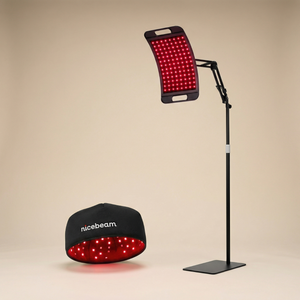
Devices like those from Nicebeam utilize dual-wavelength technology combining both 660nm and 850nm LEDs, providing the complementary benefits of both penetration depths. This combination addresses sleep from multiple angles—the visible red wavelength provides circadian-friendly illumination and surface cellular effects, while the near-infrared wavelength delivers deeper systemic benefits that enhance overall recovery and reduce inflammation that might otherwise interfere with sleep quality.
Intensity and Dosage Considerations
Beyond wavelength selection, the intensity and total energy delivery of red light therapy affects outcomes. Light therapy dosage is typically measured in joules per square centimeter (J/cm²), representing the total energy delivered to tissue. For sleep applications, moderate doses in the range of 3-20 J/cm² have shown effectiveness in research studies, though optimal dosing likely varies based on individual factors and specific protocols.
Irradiance, measured in milliwatts per square centimeter (mW/cm²), indicates the power output at a given distance from the device. Higher irradiance allows shorter treatment times to achieve the same total dose. Quality devices specify their irradiance at various distances, allowing you to calculate appropriate treatment duration. The relationship between distance and irradiance follows the inverse square law—doubling your distance from the light source reduces intensity to one-quarter, significantly extending the time needed to achieve therapeutic dosing.
Evidence-Based Protocols for Sleep Improvement
Translating research findings into practical home protocols requires understanding both the scientific principles and real-world application factors. While individual responses vary and some experimentation may be needed to optimize your personal approach, several evidence-based protocols have demonstrated consistent sleep improvements across diverse populations.
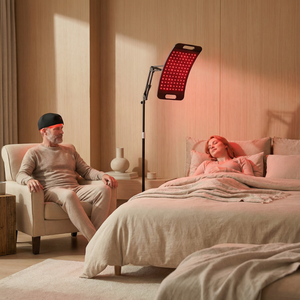
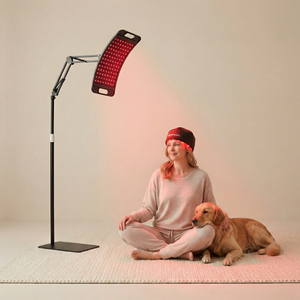
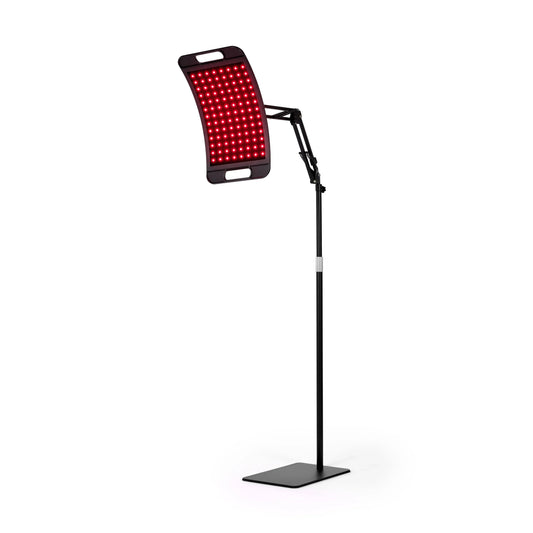
Evening wind-down protocol: This approach uses red light therapy as part of your pre-sleep routine, typically 30-90 minutes before your target bedtime. Position yourself 6-24 inches from a red light therapy device and expose yourself to the light for 10-20 minutes. This can be done while reading, meditating, stretching, or performing other relaxing activities. The goal is to provide circadian-friendly illumination that doesn't suppress melatonin while delivering cellular benefits that support sleep quality. Many users find that portable red light therapy devices work particularly well for this protocol, as they can be positioned near a comfortable chair or reading area.
Morning circadian reinforcement: While evening exposure receives more attention for sleep applications, morning red and near-infrared light exposure can strengthen your circadian rhythm by enhancing the day-night contrast. Combining red light therapy with natural morning light exposure within the first hour of waking helps set your circadian clock, making it easier to feel sleepy at the appropriate time 14-16 hours later. A 5-10 minute morning session with red light therapy can complement this natural circadian reset.
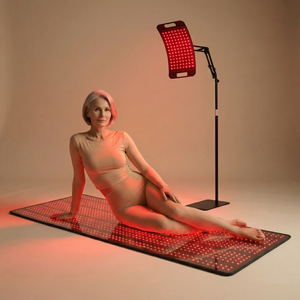
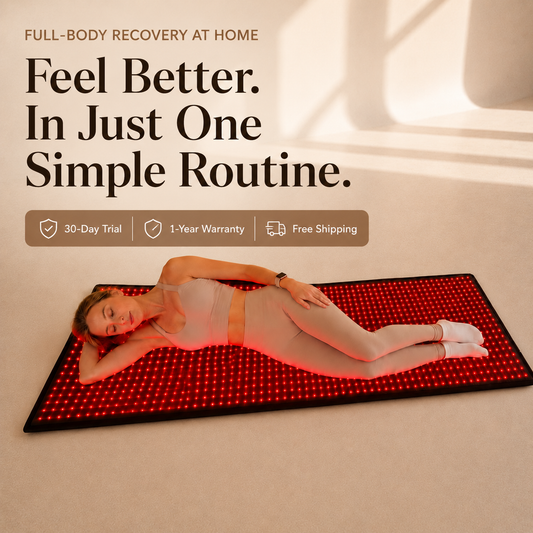
Full-body relaxation protocol: For individuals dealing with systemic inflammation, chronic pain, or high training loads that interfere with sleep, full-body red light exposure may provide enhanced benefits. This protocol typically uses larger devices or flexible therapy pads that can cover more surface area, delivering 15-20 minutes of exposure to major body areas. The comprehensive anti-inflammatory and recovery-promoting effects of full-body treatment can significantly improve sleep quality, particularly for those whose sleep is disrupted by physical discomfort.
Targeted pain relief protocol: When specific pain issues interrupt sleep, targeted red light therapy to problem areas before bed can provide relief that lasts through the night. This might involve treating a sore shoulder, lower back pain, arthritic joints, or other discomfort points. Treatment duration of 10-15 minutes directly to the affected area, using devices like wearable therapy devices, allows hands-free application while you prepare for sleep or perform other evening activities.
Optimal Timing and Duration for Maximum Benefits
The timing of red light therapy relative to your sleep schedule significantly influences outcomes. While red light's minimal impact on circadian photoreceptors makes it safer for evening use than blue-enriched light, strategic timing can enhance effectiveness. Understanding your personal chronotype—your natural tendency toward earlier or later sleep-wake timing—can help refine your approach.
For most individuals, red light therapy sessions 30-90 minutes before target bedtime provide optimal results. This window allows enough time for the physiological effects to develop without cutting into actual sleep time. The therapy initiates cellular processes that continue after exposure ends, with benefits accumulating over hours. Starting too close to bedtime may leave insufficient time for these processes to translate into improved sleep onset, while sessions too early in the evening may not adequately support the transition into sleep readiness.
Session duration typically ranges from 10-20 minutes, depending on device power output, distance from the light source, and treatment area size. Longer isn't necessarily better—red light therapy follows a biphasic dose response in many applications, where moderate doses produce optimal effects while excessive doses may provide diminishing returns or even counterproductive outcomes. Most clinical studies showing sleep improvements have used sessions in the 10-20 minute range, providing a reasonable target for home protocols.
Consistency matters more than occasional intensive sessions. Daily or near-daily exposure produces more pronounced and lasting improvements than sporadic use, as the benefits accumulate over time and support sustained circadian rhythm strengthening. Many users report that sleep improvements become more noticeable after 2-4 weeks of consistent use, as their circadian system gradually recalibrates and systemic inflammation decreases.
Adjusting Your Protocol Based on Response
Individual variation in response to red light therapy requires a willingness to adjust protocols based on your personal experience. Some people notice immediate improvements in sleep onset or quality, while others experience more gradual changes over several weeks. Pay attention to subjective sleep quality, how long it takes to fall asleep, frequency of nighttime awakenings, and morning energy levels as indicators of effectiveness.
If you experience unexpected alertness or difficulty falling asleep after evening red light therapy sessions, try moving your session earlier in the evening or reducing treatment duration. While red light has minimal circadian-disrupting effects compared to blue light, individual sensitivity varies, and the cellular energy boost from therapy may feel stimulating to some people. Conversely, if you're not experiencing noticeable improvements after 3-4 weeks of consistent use, consider increasing session duration slightly or ensuring you're achieving adequate energy delivery based on your device specifications.
Choosing the Right Red Light Therapy Device
The effectiveness of your red light therapy protocol depends significantly on device quality and appropriate specifications. Not all devices marketed for light therapy deliver therapeutic wavelengths at sufficient intensity, and understanding key features helps ensure you're investing in equipment that will produce actual results rather than just ambient red lighting.
Wavelength accuracy represents the most fundamental requirement. Devices should specify their LED wavelengths, with therapeutic benefits requiring red light around 660nm and near-infrared around 850nm. Avoid devices that only provide vague descriptions like "red light" without specific wavelength data, as they may emit wavelengths outside the therapeutic range. Dual-wavelength devices that combine both 660nm and 850nm LEDs offer the comprehensive benefits discussed earlier—circadian-friendly visible light plus deeper-penetrating infrared effects.
Power density and irradiance specifications determine how effectively a device can deliver therapeutic doses. Quality manufacturers provide irradiance measurements (mW/cm²) at specified distances, allowing you to calculate appropriate treatment times. Higher-powered devices allow shorter sessions, while lower-powered units require longer exposure to achieve equivalent dosing. For sleep applications, devices delivering 30-100 mW/cm² at typical usage distances provide practical session lengths in the 10-20 minute range.
Treatment area coverage should match your intended protocols. Smaller devices like facial therapy tools work well for targeted applications and evening skincare routines that support sleep preparation. Medium-sized portable panels offer versatility for both full-body positioning and targeted treatment. Larger panels or flexible pads enable efficient full-body protocols when addressing systemic issues that impact sleep.
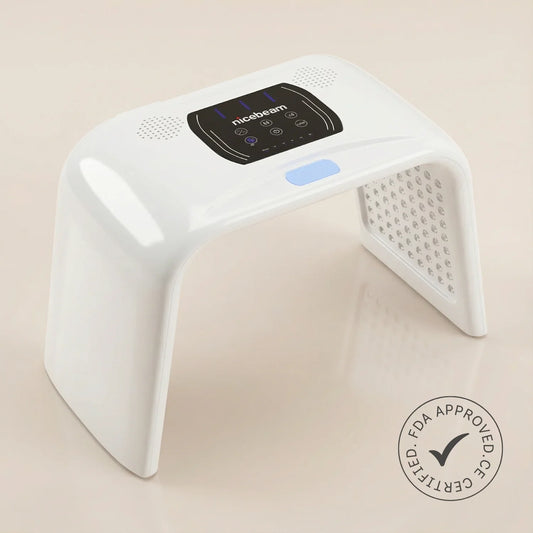
Safety certifications and build quality shouldn't be overlooked. FDA registration indicates a device meets basic safety standards, though it doesn't guarantee therapeutic effectiveness. Look for low EMF (electromagnetic field) emissions, particularly if you're sensitive to electrical device proximity. Quality construction with adequate heat dissipation ensures longevity and consistent output over time. Nicebeam devices combine these essential features—FDA registration, patent-owned technology, low EMF emissions, and dual-wavelength 660nm + 850nm LED arrays—making professional-grade therapy accessible for home use.
Practical considerations like warranty coverage, return policies, and user support indicate manufacturer confidence in their products. A 60-day return window allows adequate time to assess whether red light therapy improves your sleep, while 12-month warranty coverage protects your investment. These features distinguish therapeutic devices from decorative lighting products that may look similar but lack the specifications needed for actual physiological effects.
Complementary Sleep Optimization Strategies
While red light therapy provides powerful support for sleep improvement, it works most effectively as part of a comprehensive approach to sleep hygiene and circadian health. Combining light therapy with other evidence-based strategies creates synergistic effects that can transform your sleep quality more profoundly than any single intervention alone.
Light environment optimization extends beyond red light therapy sessions to encompass your entire daily light exposure pattern. Maximize bright light exposure during morning and early afternoon hours, ideally including some time outdoors where light intensity reaches levels impossible to achieve with indoor lighting. As evening approaches, progressively dim your environment and shift toward warmer, red-enriched lighting. Install blue-blocking software on devices or wear blue-blocking glasses in the 2-3 hours before bed. Replace bright overhead lights with dimmer, warmer lamps. When combined with targeted red light therapy, these adjustments dramatically strengthen your circadian signals.
Temperature regulation plays a crucial role in sleep quality that often receives insufficient attention. Your core body temperature naturally decreases as you prepare for sleep, and this thermoregulatory process serves as a powerful sleep signal. Keep your bedroom cool (65-68°F is optimal for most people) and consider a warm bath or shower 60-90 minutes before bed—the subsequent cooling as you dry off promotes sleep readiness. Red light therapy's effects on cellular metabolism may complement these temperature-based strategies by supporting the metabolic shifts that accompany the transition to sleep.
Consistent sleep-wake timing strengthens circadian rhythms more effectively than any other behavioral intervention. Going to bed and waking up at the same times each day, including weekends, provides the consistent zeitgeber (time-giver) signals your circadian system needs to maintain strong, healthy rhythms. Red light therapy can accelerate the benefits of this consistency, but it cannot fully compensate for chaotic sleep schedules that constantly shift your circadian phase.
Mind-body relaxation practices address the psychological and physiological arousal that often interferes with sleep onset. Meditation, progressive muscle relaxation, gentle yoga, or breathwork performed during your red light therapy session creates a powerful evening ritual that signals your body to shift toward rest mode. The combination of these relaxation techniques with the physiological effects of light therapy produces greater improvements than either approach alone.
What to Expect: Timeline and Results
Understanding the realistic timeline for sleep improvements helps maintain consistent practice through the initial adjustment period when benefits may not yet be apparent. Red light therapy's effects on sleep accumulate progressively, with different aspects of improvement emerging at different timeframes.
Week 1-2: Initial adjustments may include subtle changes in how you feel during evening hours. Many users report feeling calmer and more naturally drowsy as bedtime approaches, even if sleep quality hasn't yet dramatically changed. Some people experience immediate improvements in sleep onset time, falling asleep 10-20 minutes faster than usual. Others notice reduced nighttime awakenings or feeling slightly more refreshed upon waking. These early changes reflect the immediate effects on melatonin and the calming influence of an intentional evening routine.
Week 3-4: Consolidation of benefits typically becomes more noticeable as circadian rhythms strengthen and systemic effects accumulate. Sleep onset continues improving, and the quality of sleep may noticeably increase—you might wake feeling more restored even from the same duration of sleep. Dreams may become more vivid, potentially indicating increased REM sleep. Any pain or inflammation issues that were interrupting sleep often begin showing meaningful improvement. This is the timeframe when many users become convinced of the therapy's effectiveness.
Week 5-8: Sustained improvement represents the establishment of new patterns. By this point, the benefits have generally stabilized into consistent improvements in sleep quality, efficiency, and restorative value. Your circadian rhythm has strengthened sufficiently that you may notice improved daytime energy and more natural sleepiness at appropriate times. The cumulative anti-inflammatory effects and improved cellular function support not just better sleep, but overall well-being that both results from and contributes to continued sleep improvements.
Long-term maintenance requires continued consistency. Most people find that stopping red light therapy leads to gradual return of previous sleep issues over several weeks, indicating that the benefits depend on ongoing practice rather than permanent changes. However, this is not a drawback—it simply means that red light therapy works as an active tool for sleep optimization rather than a one-time fix. Many users find that even 3-4 sessions per week maintain most of the benefits once initial improvements are established.
Individual variation in response patterns is substantial. Factors including age, baseline sleep quality, other health conditions, medication use, stress levels, and consistency of application all influence outcomes. Some people experience dramatic improvements within days, while others require several weeks of consistent practice. The research indicates that most people who use red light therapy consistently experience meaningful sleep improvements, but the magnitude and timeline vary considerably.
Sleep represents one of the most powerful yet often neglected pillars of health and well-being. The science behind red light therapy reveals why this simple intervention can produce such profound improvements—it addresses sleep at multiple levels, from circadian rhythm regulation and hormone balance to cellular energy production and inflammation reduction. Unlike pharmaceutical approaches that override your natural systems, red light therapy works by supporting and strengthening the biological processes that evolved over millennia to govern healthy sleep-wake cycles.
The key to success lies in consistency, appropriate protocols, and realistic expectations. Red light therapy isn't a magic solution that will instantly cure severe sleep disorders, but for most people dealing with common sleep challenges—difficulty falling asleep, frequent awakenings, unrefreshing rest, or circadian disruption from modern lifestyle factors—it offers a scientifically validated, side-effect-free approach to meaningful improvement. When combined with other sleep hygiene practices and used with quality devices that deliver therapeutic wavelengths at appropriate intensities, red light therapy can transform your relationship with sleep.
Starting your red light therapy practice doesn't require expensive clinical treatments or complicated protocols. With the right home device and 10-20 minutes of daily commitment, you can begin experiencing the sleep-enhancing benefits that research has repeatedly demonstrated. Whether you choose a portable device for bedside use, a flexible pad for full-body treatment, or a wearable option for targeted relief, the investment in quality red light therapy technology represents an investment in the restorative sleep that supports every aspect of your health and daily performance.
Ready to Transform Your Sleep with Red Light Therapy?
Explore Nicebeam's FDA-registered, dual-wavelength devices designed for effective home use. With a 60-day return policy and 12-month warranty, you can experience the science-backed sleep benefits risk-free.
Contact Us to Learn More