






Red Light Therapy for Hair Loss: The Complete Science-Backed Guide
Table Of Contents
- Understanding Hair Loss: Why It Happens
- What Is Red Light Therapy?
- How Red Light Therapy Stimulates Hair Growth
- Clinical Evidence: What the Research Shows
- Treatment Protocols for Maximum Results
- What to Expect: Results Timeline
- Choosing the Right Red Light Therapy Device
- Combining Red Light Therapy With Other Treatments
- Safety Considerations and Who Should Avoid It
- Getting Started With Red Light Therapy for Hair Loss
Hair loss affects over 50 million men and 30 million women in the United States alone, impacting self-confidence and quality of life in profound ways. While pharmaceutical options like minoxidil and finasteride have dominated the treatment landscape for decades, a growing body of clinical research points to a non-invasive, drug-free alternative that works at the cellular level: red light therapy.
Also known as low-level light therapy (LLLT) or photobiomodulation, red light therapy uses specific wavelengths of light to penetrate the scalp and stimulate hair follicles that have entered dormancy. Unlike topical treatments that require daily application or medications with potential side effects, red light therapy offers a fundamentally different approach—one that enhances cellular energy production and blood flow to reawaken follicular activity.
This comprehensive guide examines the science behind red light therapy for hair loss, explores the clinical evidence supporting its effectiveness, and provides detailed protocols for implementing this technology at home. Whether you're experiencing early thinning, pattern baldness, or post-pregnancy hair loss, understanding how light wavelengths interact with your scalp tissue can open new pathways to hair restoration.
Understanding Hair Loss: Why It Happens
Before exploring how red light therapy addresses hair loss, it's essential to understand the underlying mechanisms that cause hair to thin and fall out. The hair growth cycle consists of three distinct phases: anagen (active growth), catagen (transition), and telogen (resting). In healthy scalps, approximately 85-90% of hair follicles remain in the anagen phase at any given time, producing strong, thick hair strands that grow for 2-7 years before naturally shedding.
The most common form of hair loss, androgenetic alopecia (pattern baldness), occurs when hair follicles become increasingly sensitive to dihydrotestosterone (DHT), a hormone derived from testosterone. This sensitivity causes the anagen phase to progressively shorten while the telogen phase extends. Over time, affected follicles miniaturize, producing thinner, shorter hairs until eventually becoming dormant. This process doesn't happen uniformly across the scalp, which explains the characteristic patterns of hair loss in men (receding hairline and crown thinning) and women (diffuse thinning across the top of the scalp).
Other contributing factors include inadequate blood flow to the scalp, inflammation around hair follicles, oxidative stress that damages follicular cells, and reduced cellular energy production. These mechanisms often work synergistically, creating a challenging environment for hair growth. Traditional treatments typically address only one or two of these factors, whereas red light therapy offers a multi-pathway approach that targets several root causes simultaneously.
What Is Red Light Therapy?
Red light therapy refers to the therapeutic application of specific wavelengths of light in the red (600-700nm) and near-infrared (700-1000nm) spectrum. Unlike UV light, which can damage skin and DNA, these longer wavelengths penetrate tissue safely without generating heat or causing cellular harm. When absorbed by cells, red and near-infrared light trigger a cascade of biological responses that enhance cellular function, reduce inflammation, and promote tissue repair.
The technology emerged from NASA research in the 1990s, when scientists discovered that certain light wavelengths could accelerate plant growth and heal wounds in astronauts. Since then, thousands of peer-reviewed studies have documented red light therapy's effects on various conditions, from wound healing and pain management to skin rejuvenation and, notably, hair regrowth.
For hair loss applications, the two most researched wavelengths are 660nm red light and 850nm near-infrared light. The 660nm wavelength primarily affects surface tissues and is particularly effective at stimulating collagen production and improving blood flow in the scalp. The 850nm wavelength penetrates deeper, reaching hair follicle roots and surrounding tissue to enhance cellular energy production at the mitochondrial level. Quality red light therapy devices incorporate both wavelengths to maximize therapeutic benefits across different tissue depths.
How Red Light Therapy Stimulates Hair Growth
The mechanisms through which red light therapy promotes hair regrowth are multifaceted, working through several biological pathways simultaneously. Understanding these mechanisms helps explain why clinical studies consistently demonstrate positive outcomes for various types of hair loss.
Enhanced Cellular Energy Production
At the core of red light therapy's effectiveness is its ability to boost adenosine triphosphate (ATP) production within mitochondria—the powerhouses of cells. When red and near-infrared photons are absorbed by chromophores (light-sensitive molecules) in mitochondria, particularly cytochrome c oxidase, the electron transport chain becomes more efficient. This optimization leads to increased ATP synthesis, providing hair follicle cells with more energy to fuel the metabolically demanding process of hair growth. Follicles in the anagen phase require substantial energy to rapidly divide and produce hair shafts, making this ATP boost particularly significant for reactivating dormant or miniaturized follicles.
Improved Blood Flow and Nutrient Delivery
Red light therapy stimulates the production of nitric oxide, a molecule that relaxes blood vessel walls and increases circulation. Enhanced blood flow to the scalp delivers more oxygen, nutrients, and growth factors to hair follicles while simultaneously removing metabolic waste products. This improved microcirculation creates an optimal environment for follicular activity. Studies using laser Doppler flowmetry have documented measurable increases in scalp blood flow following red light therapy sessions, with effects lasting several hours after treatment.
Reduction of Inflammation
Chronic inflammation around hair follicles contributes to various forms of hair loss, including androgenetic alopecia and alopecia areata. Red light therapy exerts anti-inflammatory effects by modulating cytokine production and reducing oxidative stress. By decreasing inflammatory markers like TNF-alpha and IL-1, light therapy helps create a less hostile environment around follicles, allowing them to function more normally. This anti-inflammatory action is particularly beneficial for individuals whose hair loss has an autoimmune or inflammatory component.
Prolongation of Anagen Phase
Research indicates that red light therapy can extend the anagen (growth) phase of the hair cycle while shortening the telogen (resting) phase. By shifting more follicles into active growth and keeping them there longer, the therapy increases the percentage of scalp area covered by actively growing hair. This shift doesn't happen immediately but develops progressively over months of consistent treatment as individual follicles complete their cycles and enter prolonged growth phases.
Clinical Evidence: What the Research Shows
The scientific literature on red light therapy for hair loss has expanded considerably over the past two decades, with numerous controlled studies demonstrating its effectiveness across different populations and hair loss types.
A landmark 2014 study published in the American Journal of Clinical Dermatology analyzed data from multiple randomized controlled trials and found that low-level light therapy significantly improved hair density in both men and women with androgenetic alopecia. Participants using red light therapy devices showed an average increase of 35-40% in hair count compared to sham devices, with improvements visible as early as 8 weeks and continuing to increase through 26 weeks of treatment.
Another comprehensive study published in Lasers in Surgery and Medicine in 2017 examined 44 healthy subjects with pattern hair loss who received red light therapy three times weekly for 24 weeks. Results showed an average increase of 37% in hair density, along with significant improvements in hair shaft diameter. Importantly, these benefits were achieved without the side effects commonly associated with pharmaceutical treatments. Participants reported high satisfaction rates, and follow-up assessments showed that gains were maintained with ongoing treatment.
Research specifically examining wavelength effectiveness has found that the combination of 660nm and 850nm light produces superior results compared to single-wavelength devices. A 2019 study demonstrated that dual-wavelength protocols achieved 51% greater improvement in hair thickness compared to 630nm light alone, supporting the therapeutic value of penetrating both superficial and deep scalp tissues simultaneously.
Clinical trials have also documented red light therapy's effectiveness for telogen effluvium (stress-related hair shedding), alopecia areata (autoimmune hair loss), and hair thinning associated with aging. While results vary based on the underlying cause and severity of hair loss, the overall evidence consistently points to red light therapy as a viable, evidence-based intervention that works through mechanisms distinct from conventional treatments.
Treatment Protocols for Maximum Results
Implementing red light therapy effectively requires attention to several key parameters: wavelength, power density, treatment duration, frequency, and consistency. Clinical studies have established guidelines that maximize benefits while avoiding potential overstimulation.
Optimal Wavelengths
The most effective devices for hair loss combine 660nm red light and 850nm near-infrared light. This dual-wavelength approach ensures therapeutic effects at both superficial and deep tissue levels. Single-wavelength devices can provide benefits, but combination protocols consistently outperform single-wavelength treatments in comparative studies. When selecting a device, verify that it delivers these specific wavelengths rather than broader-spectrum light that may include less therapeutic portions of the spectrum.
Power Density Requirements
Power density, measured in milliwatts per square centimeter (mW/cm²), determines how much light energy reaches the target tissue. For hair loss applications, research indicates that 3-5 mW/cm² at the scalp surface produces optimal results. Higher power densities don't necessarily improve outcomes and may actually inhibit growth through overstimulation, while lower densities may not provide sufficient photon absorption to trigger therapeutic responses. Quality devices specify their power density at various distances, allowing you to position the light source appropriately.
Session Duration and Frequency
The standard protocol that has demonstrated effectiveness in clinical trials involves:
- Session length: 10-20 minutes per treatment
- Frequency: 3-5 sessions per week
- Consistency: Daily or every-other-day scheduling works well; avoid gaps longer than 2 days between treatments
- Treatment duration: Minimum 12-24 weeks to assess effectiveness, with ongoing maintenance thereafter
It's important to understand that more is not necessarily better with red light therapy. The biphasic dose response means that insufficient light provides minimal benefits, optimal dosing produces maximum effects, and excessive light can actually inhibit desired responses. Following established protocols prevents overstimulation while ensuring adequate photon delivery.
Application Technique
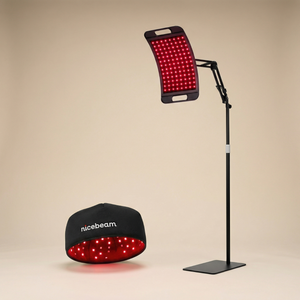
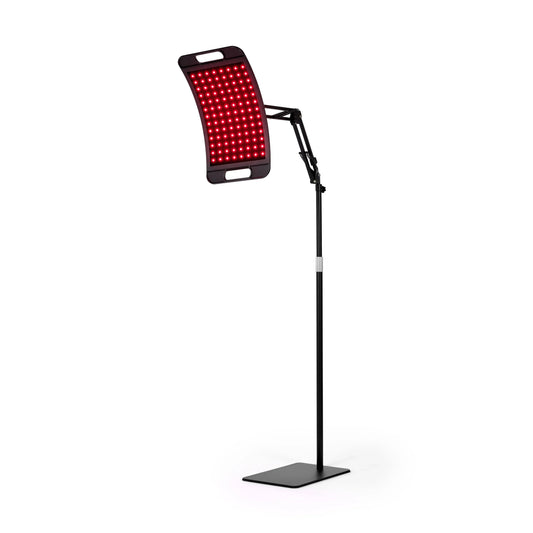
For at-home treatment, proper positioning ensures the entire affected area receives adequate light exposure. Wearable red light therapy devices designed for the scalp offer convenience and consistent coverage, allowing hands-free treatment while maintaining optimal distance from the tissue. When using panel-style devices, position the light source 6-12 inches from your scalp, depending on the device's power output specifications.
Part your hair in multiple directions during treatment to ensure light reaches the scalp rather than being blocked by hair shafts. For individuals with longer or thicker hair, this step becomes particularly important for treatment effectiveness. Some users find that treating immediately after showering, when hair is still damp and more easily parted, improves light penetration to the scalp surface.
What to Expect: Results Timeline
Understanding the realistic timeline for red light therapy results helps maintain consistency and avoid premature discontinuation. Hair regrowth is a gradual process that reflects the natural hair growth cycle, and visible improvements develop progressively rather than suddenly.
Weeks 1-4: During the initial month, most users notice no visible changes in hair density or thickness. However, cellular-level responses are already occurring, including increased ATP production, improved blood flow, and reduction in follicular inflammation. Some individuals report that existing hair feels slightly stronger or that shedding decreases, though these changes are often subtle.
Weeks 5-12: The 8-12 week mark typically brings the first noticeable improvements. New vellus hairs (fine, light-colored baby hairs) may appear along the hairline or in thinning areas. Existing hair shafts may appear thicker as miniaturized follicles begin producing fuller strands. Hair texture often improves during this phase, with reduced brittleness and increased shine resulting from better follicular health.
Weeks 13-26: Continued treatment through six months generally yields the most significant visible improvements. Hair density increases as more follicles shift into anagen phase, and vellus hairs transition to terminal hairs (thicker, darker, fully developed strands). Clinical photographs taken at this point typically show measurable increases in scalp coverage compared to baseline images. Many users report positive comments from friends and family who notice the improvement.
Beyond 6 months: Gains continue to develop, though at a slower rate than the rapid improvements seen in months 3-6. Maximum benefits typically manifest between 6-12 months of consistent treatment. Once desired results are achieved, ongoing maintenance sessions (typically 2-3 times weekly) help preserve gains by continuing to support follicular function and prevent regression.
It's worth noting that individual responses vary based on factors including the underlying cause of hair loss, severity and duration of the condition, age, overall health, and genetic factors. Some individuals respond more quickly and dramatically, while others experience modest but meaningful improvements. Clinical studies show that approximately 85% of users experience some degree of positive response, with about 40-50% achieving results they consider highly satisfactory.
Choosing the Right Red Light Therapy Device
The effectiveness of red light therapy depends significantly on device quality, with considerable variation across the market in terms of wavelength accuracy, power output, and LED lifespan. Several key factors distinguish therapeutic-grade devices from lower-quality alternatives.
Wavelength Specificity
Verify that devices deliver the clinically studied wavelengths of 660nm and 850nm rather than approximations. LED technology allows precise wavelength production, but some manufacturers use less expensive LEDs that emit broader spectrums with only portions falling in the therapeutic range. Reputable companies provide spectral analysis documentation showing peak wavelength output.
Power Output and Irradiance
Check specifications for power density at the recommended treatment distance. Manufacturers should provide irradiance measurements (mW/cm²) at various distances, allowing you to determine optimal positioning. Be cautious of devices that list wattage without specifying irradiance, as total wattage doesn't directly indicate the therapeutic dose reaching your tissue.
Safety Certifications
Look for FDA registration, low EMF (electromagnetic field) emissions, and flicker-free operation. These certifications indicate that devices meet safety standards and won't produce unwanted side effects from electromagnetic exposure or light flicker that can cause eye strain or headaches during treatment sessions.
Design and Usability
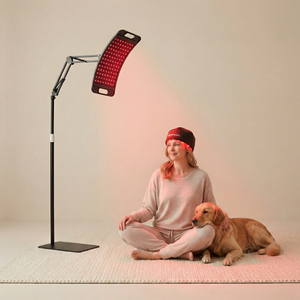
For hair loss treatment specifically, wearable designs that provide hands-free operation and consistent coverage of affected areas offer significant practical advantages over handheld devices or large panels. Wearable red light therapy devices allow you to maintain treatment consistency by multitasking during sessions, increasing adherence to the recommended protocol.
Company Reputation and Support
Consider manufacturers with established track records, positive customer reviews, transparent specifications, and solid warranty policies. Trusted brands like Nicebeam back their FDA-registered devices with 12-month warranties, 60-day return policies, and responsive customer support, providing confidence in your investment. With over 10,000 satisfied customers and extensive positive feedback, established companies demonstrate proven results and reliability.
Combining Red Light Therapy With Other Treatments
Red light therapy's distinct mechanism of action makes it highly compatible with other hair loss treatments, potentially enhancing overall effectiveness through complementary pathways. Many dermatologists and hair restoration specialists now recommend combination approaches that address hair loss from multiple angles simultaneously.
Red Light Therapy + Minoxidil
Minoxidil (Rogaine) works primarily as a vasodilator, increasing blood flow to follicles, while also potentially prolonging the anagen phase through mechanisms not fully understood. When combined with red light therapy, which also enhances circulation while adding cellular energy benefits, many users report faster and more robust results than either treatment alone. Apply minoxidil as directed, allowing it to fully absorb before red light therapy sessions to prevent interference with photon penetration.
Red Light Therapy + Finasteride
Finasteride reduces DHT levels, addressing the hormonal component of androgenetic alopecia. Red light therapy complements this by improving the health and function of follicles that are no longer under constant DHT assault. This combination addresses both the underlying hormonal cause and follicular function, potentially producing more comprehensive improvements. Some practitioners suggest this combination may allow for lower finasteride doses while maintaining effectiveness, potentially reducing side effect risks, though this approach should only be implemented under medical supervision.
Red Light Therapy + Microneedling
Microneedling creates controlled micro-injuries that stimulate healing responses and enhance the absorption of topical treatments. When followed by red light therapy sessions, the healing and regenerative effects may be amplified. Some clinics offer combination protocols where microneedling is performed followed immediately by red light therapy to maximize the healing cascade. For at-home use, consult with a dermatologist about appropriate timing and protocols for combining these treatments safely.
Red Light Therapy + Nutritional Support
Hair growth depends on adequate nutrition, including proteins, biotin, iron, zinc, and vitamin D. Red light therapy enhances cellular function, but cells still require proper building blocks to produce healthy hair. Addressing nutritional deficiencies while implementing red light therapy creates optimal conditions for follicular activity. Consider working with a healthcare provider to assess and correct any relevant deficiencies as part of a comprehensive approach.
Safety Considerations and Who Should Avoid It
Red light therapy for hair loss has an excellent safety profile with minimal side effects when used according to established protocols. Unlike UV light, red and near-infrared wavelengths don't damage DNA or increase skin cancer risk. However, certain considerations and contraindications warrant attention.
Generally safe for: The vast majority of adults experiencing pattern baldness, telogen effluvium, or age-related hair thinning can safely use red light therapy without medical supervision. The treatment is non-invasive, painless, and doesn't produce heat or discomfort when used properly.
Potential contraindications:
- Photosensitivity: Individuals taking photosensitizing medications (certain antibiotics, diuretics, or retinoids) should consult healthcare providers before beginning treatment
- Thyroid conditions: Those with thyroid disorders or taking thyroid medication should exercise caution, as red light therapy may affect thyroid function when applied near the throat area
- Active skin conditions: Open wounds, active infections, or severe scalp conditions should be addressed before starting red light therapy
- Cancer history: While no evidence suggests red light therapy causes or promotes cancer, individuals with current or recent cancer should discuss use with oncologists
- Pregnancy: Though no known risks exist, pregnant women should consult healthcare providers as a precautionary measure
Eye protection: While red and near-infrared light aren't harmful to eyes at therapeutic intensities, some users prefer wearing protective glasses during treatment for comfort, especially when using high-intensity panels. Wearable devices designed for scalp treatment typically position LEDs away from direct eye exposure.
Realistic expectations: Red light therapy isn't a miracle cure and won't restore completely bald areas where follicles have been inactive for many years. It works best for thinning hair where follicles remain present but miniaturized, and for preventing further loss. Understanding these limitations helps maintain realistic expectations and satisfaction with results.
Getting Started With Red Light Therapy for Hair Loss
Beginning your red light therapy journey for hair regrowth involves several practical steps that set the foundation for successful long-term treatment. Taking time to properly document your starting point, establish a consistent routine, and monitor progress helps maximize results and maintain motivation through the months-long process.
1. Document your baseline: Take clear photographs of your scalp from multiple angles (top, front, sides) in consistent lighting. These baseline images provide objective reference points for tracking progress that's often difficult to notice day-to-day. Many users find that comparing photos at 8-week intervals reveals improvements they might otherwise miss. Consider also counting hairs in a specific small area or measuring the width of your part line for quantitative tracking.
2. Select appropriate equipment: Choose a device that delivers the clinically proven wavelengths (660nm and 850nm), provides adequate power density (3-5 mW/cm²), and fits your lifestyle for consistent use. Nicebeam's best-selling devices incorporate dual-wavelength technology specifically designed for home use, with FDA registration and low-EMF operation for safe, effective treatment. The combination of red and near-infrared light ensures therapeutic effects at multiple tissue depths, replicating the protocols used in successful clinical studies.
3. Establish a treatment schedule: Consistency proves more important than intensity with red light therapy. Create a realistic schedule you can maintain long-term, typically 10-20 minute sessions 3-5 times weekly. Many users find that treating at the same time each day (morning routine, evening before bed, during TV time) helps establish the habit. Set phone reminders for the first few weeks until the routine becomes automatic.
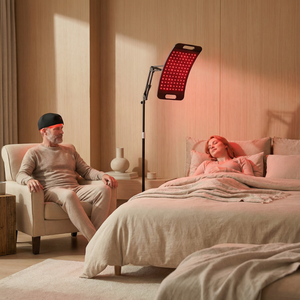
4. Optimize your approach: Ensure light reaches your scalp by parting hair in multiple directions during treatment. If using wearable devices, position them according to manufacturer guidelines for optimal coverage. For panel devices, maintain the recommended distance and angle. Consider the practical aspects: treat in a comfortable location where you can relax, perhaps combining sessions with other activities like reading, meditation, or watching shows.
5. Track your progress: Keep a simple log noting treatment dates and any observations about hair texture, shedding patterns, or new growth. Take progress photos every 8 weeks under similar conditions (same lighting, camera distance, hair styling). Visible changes typically emerge slowly, making regular documentation valuable for recognizing improvements that gradual day-to-day changes might obscure.
6. Adjust as needed: If you experience any unexpected reactions (persistent redness, irritation, increased shedding beyond the first few weeks), reduce treatment frequency temporarily. Some initial shedding is normal as dormant follicles activate, but this should resolve within 2-4 weeks. If you see no improvements after 16-20 weeks of consistent treatment, consider consulting a dermatologist to ensure no underlying conditions are preventing response.
7. Plan for maintenance: Once you achieve desired results, typically after 6-12 months of consistent treatment, transition to a maintenance protocol of 2-3 sessions weekly. This ongoing treatment helps preserve gains by continuing to support follicular function. Clinical evidence suggests that discontinuing treatment often leads to gradual regression over several months, emphasizing the importance of viewing red light therapy as an ongoing wellness practice rather than a temporary fix.
For those serious about addressing hair loss with a non-invasive, scientifically validated approach, red light therapy offers compelling advantages: no systemic side effects, compatibility with other treatments, and mechanisms that address multiple pathways involved in follicular dysfunction. The extensive clinical evidence, combined with thousands of positive user experiences, supports red light therapy as a valuable tool in the hair restoration toolkit.
Explore Nicebeam's complete range of red light therapy devices to find the option that best fits your needs and lifestyle, or check out customer reviews to see real results from people addressing hair loss and other wellness goals. With professional-grade technology designed for convenient home use, backed by FDA registration, 12-month warranties, and 60-day return policies, beginning your hair restoration journey has never been more accessible.
Hair loss carries emotional weight that extends far beyond cosmetics, affecting confidence, self-image, and quality of life. While no single solution works universally for all types and causes of hair loss, red light therapy stands out as an evidence-based approach that addresses the condition at its cellular roots. By enhancing mitochondrial function, improving circulation, reducing inflammation, and extending the growth phase of hair follicles, this non-invasive technology offers a scientifically sound pathway to hair restoration without the side effects associated with pharmaceutical interventions.
The clinical evidence supporting red light therapy for hair loss continues to strengthen, with multiple controlled studies demonstrating significant improvements in hair density, thickness, and coverage. Success requires consistency, patience, and realistic expectations, but for the majority of users who maintain proper protocols, meaningful improvements emerge within 3-6 months and continue developing with ongoing treatment.
Whether you're just beginning to notice thinning or have struggled with hair loss for years, incorporating red light therapy into your wellness routine provides a proactive, science-backed strategy for supporting follicular health. Combined with appropriate lifestyle factors, proper nutrition, and potentially other complementary treatments, red light therapy can play a central role in your hair restoration journey.
Ready to Start Your Hair Restoration Journey?
Discover how Nicebeam's dual-wavelength red light therapy devices can help you address hair loss with clinically proven technology designed for convenient home use. Our FDA-registered devices are trusted by over 10,000 customers and backed by a 12-month warranty and 60-day return policy.
Get Started TodayHave questions? Visit our FAQ or explore our wearable red light therapy collection designed for targeted treatment.