






Red Light Therapy Mat: Complete Full-Body Home Use Guide
Table Of Contents
- What Is a Red Light Therapy Mat?
- The Science Behind Full-Body Red Light Therapy
- Key Benefits of Red Light Therapy Mats
- Choosing the Right Red Light Therapy Mat
- How to Use Your Red Light Therapy Mat at Home
- Effective Treatment Protocols by Goal
- Safety Considerations and Best Practices
- Maintenance and Care for Your Mat
- Maximizing Your Results
Red light therapy has transitioned from professional clinics to home wellness routines, and for good reason. What was once accessible only through expensive spa visits or physical therapy appointments is now available through convenient at-home devices that deliver the same clinical-grade benefits. Among these innovations, red light therapy mats stand out as the most versatile option for full-body treatment, allowing you to target multiple areas simultaneously while relaxing in the comfort of your own space.
Whether you're dealing with chronic pain, seeking faster muscle recovery after workouts, looking to improve skin health, or simply wanting to support your overall wellness routine, a red light therapy mat offers a practical solution. These flexible devices wrap around your body or lay flat beneath you, delivering targeted wavelengths of red and near-infrared light that penetrate deep into tissues to stimulate cellular repair and reduce inflammation.
This comprehensive guide will walk you through everything you need to know about using red light therapy mats at home. From understanding the science behind the technology to creating personalized treatment protocols for your specific goals, you'll discover how to integrate this powerful wellness tool into your daily routine safely and effectively. Let's explore how full-body red light therapy can transform your approach to pain management, recovery, and holistic well-being.
What Is a Red Light Therapy Mat?
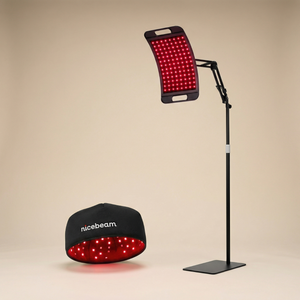
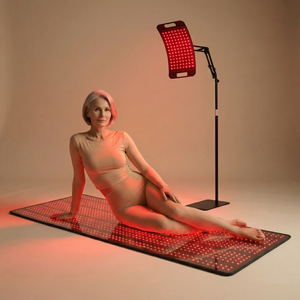
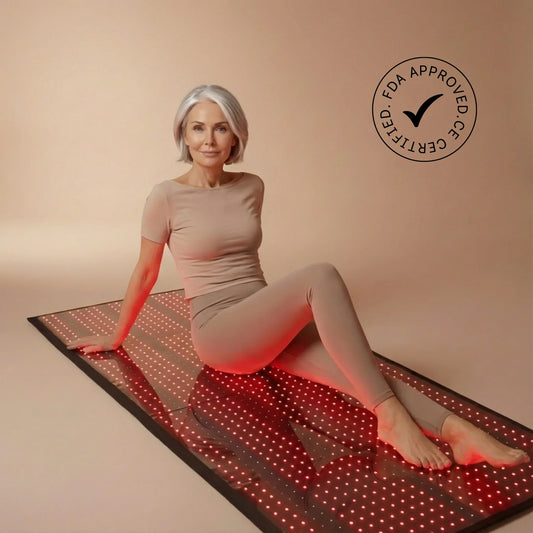
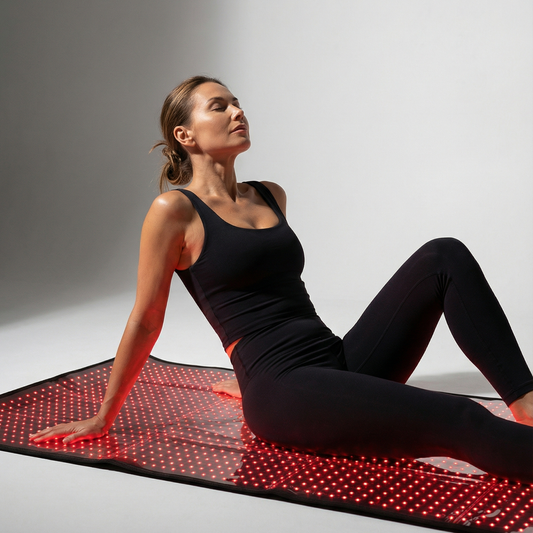
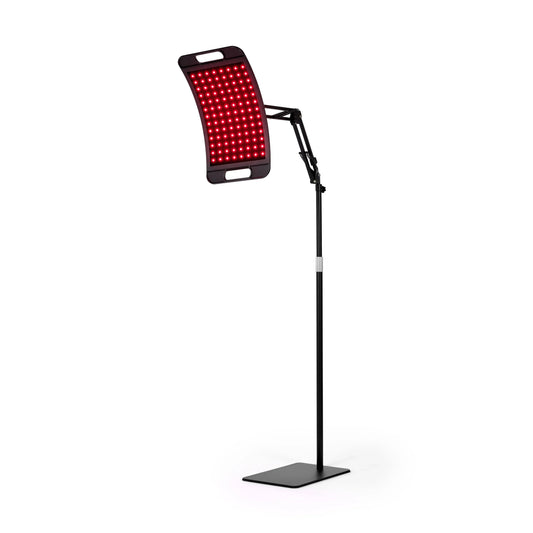
A red light therapy mat is a flexible, padded device embedded with LED bulbs that emit specific wavelengths of red and near-infrared light. Unlike rigid panel lights that require you to stand or sit in front of them, therapy mats conform to your body's contours, making them ideal for lying down during treatment sessions. This design allows for hands-free, comfortable therapy while you read, meditate, or simply rest.
Most therapeutic mats use a dual-wavelength system that combines 660nm red light with 850nm near-infrared light. The red light (660nm) works primarily on surface-level concerns like skin health, collagen production, and superficial tissue repair. Meanwhile, the near-infrared light (850nm) penetrates deeper—up to several inches into the body—to reach muscles, joints, and even bones, making it particularly effective for pain relief and inflammation reduction.
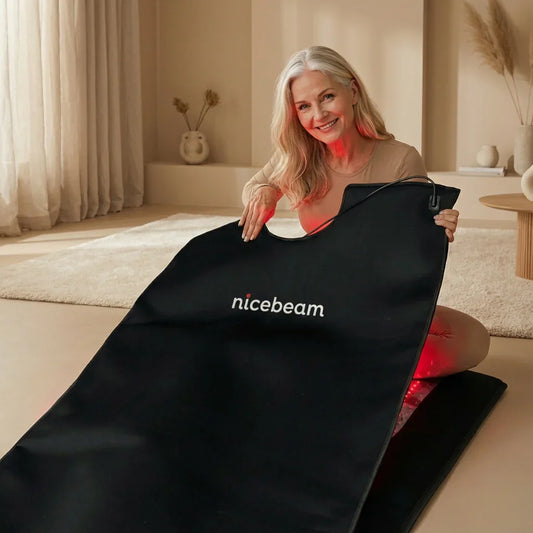
These mats come in various sizes, from small pads designed for targeted areas to full-body versions that cover you from shoulders to feet. The flexible red light therapy category includes options that can be draped over chairs, wrapped around limbs, or laid flat on beds or floors. This versatility makes them significantly more practical than traditional panel systems for comprehensive home treatment.
Quality therapy mats feature low-EMF (electromagnetic field) technology, ensuring that while you receive therapeutic light benefits, you're not exposed to potentially harmful electromagnetic radiation. When shopping for a mat, look for FDA-registered devices that specify their wavelength accuracy, power density (measured in mW/cm²), and total LED count—all factors that determine treatment effectiveness.
The Science Behind Full-Body Red Light Therapy
Red light therapy works at the cellular level through a process called photobiomodulation. When red and near-infrared light photons reach your cells, they're absorbed by mitochondria—the energy-producing structures within each cell. This absorption stimulates the production of adenosine triphosphate (ATP), which is essentially cellular fuel. With more ATP available, your cells function more efficiently, accelerating repair processes and reducing inflammation.
The beauty of using a full-body mat is that it delivers these benefits simultaneously across large surface areas. Rather than treating one isolated region, you're supporting systemic wellness. Your circulatory system responds by increasing blood flow throughout the treated areas, delivering more oxygen and nutrients while removing metabolic waste products more efficiently. This enhanced circulation explains why many users report feeling energized yet relaxed after sessions.
Research has demonstrated that specific wavelengths produce distinct biological effects. The 660nm wavelength has been shown in studies to stimulate fibroblast activity, which is crucial for collagen and elastin production—the proteins that keep skin firm and elastic. This wavelength also supports wound healing and can reduce the appearance of scars and fine lines when used consistently over time.
The 850nm near-infrared wavelength penetrates deeper to reach joints, muscles, and connective tissues. Studies have found this wavelength particularly effective for reducing joint pain in osteoarthritis patients, accelerating muscle recovery after exercise, and even supporting bone density. Because near-infrared light is invisible to the naked eye, you won't see it during treatment, but its therapeutic effects occur at a deeper tissue level than visible red light.
Key Benefits of Red Light Therapy Mats
Pain Relief and Inflammation Reduction
One of the most compelling reasons people invest in red light therapy mats is for chronic pain management. The near-infrared wavelengths penetrate deep enough to reach inflamed joints and muscle tissue, where they work to reduce inflammatory markers and increase circulation. Users with arthritis, fibromyalgia, and chronic back pain often report significant relief after consistent use, with some able to reduce their reliance on pain medications.
The anti-inflammatory effects occur because red light therapy modulates the production of pro-inflammatory cytokines while supporting the release of anti-inflammatory compounds. This creates a healing environment within tissues rather than simply masking pain symptoms. For acute injuries like sprains or strains, therapy mats can speed recovery time by reducing swelling and supporting tissue repair processes.
Muscle Recovery and Athletic Performance
Athletes and fitness enthusiasts have embraced red light therapy mats as part of their recovery protocols. The increased ATP production helps muscle cells repair damage from intense workouts more quickly, reducing soreness and stiffness. Some studies suggest that using red light therapy before exercise may even pre-condition muscles, potentially improving performance and reducing injury risk.
The circulation boost from red light therapy helps flush out lactic acid and other metabolic byproducts that contribute to post-workout fatigue. Many users incorporate mat sessions into their post-training routines, lying on the mat for 15-20 minutes after showers. This practice has become increasingly popular among weekend warriors and competitive athletes alike who want to maintain consistent training schedules without excessive downtime.
Skin Health and Anti-Aging
While facial red light therapy devices target specific areas, full-body mats provide comprehensive skin benefits across larger surface areas. The 660nm wavelength stimulates collagen production throughout all exposed skin, potentially improving tone, texture, and elasticity. Users often notice improvements in overall skin radiance and firmness after several weeks of consistent use.
Beyond cosmetic benefits, red light therapy supports skin barrier function and may help with conditions like eczema, psoriasis, and slow-healing wounds. The enhanced cellular energy and blood flow create optimal conditions for skin regeneration. Some users specifically target areas with scarring or stretch marks, finding that regular sessions gradually improve the appearance of these concerns.
Sleep Quality and Circadian Rhythm Support
Evening red light therapy sessions can support better sleep quality through multiple mechanisms. Unlike blue light from screens, which disrupts melatonin production, red and near-infrared wavelengths don't interfere with your natural sleep hormones. In fact, some research suggests that red light exposure in the evening may actually support circadian rhythm regulation.
The relaxation response many people experience during mat sessions also contributes to improved sleep. The gentle warmth (from LED operation, not heat itself), the quiet treatment time, and the pain relief all create conditions conducive to better rest. Users who incorporate evening mat sessions often report falling asleep more easily and experiencing deeper, more restorative sleep cycles.
Choosing the Right Red Light Therapy Mat
Selecting the best red light therapy mat for your needs requires considering several important factors. Not all devices are created equal, and understanding the key specifications will help you make an informed investment in your wellness routine.
Wavelength Accuracy
The foundation of effective red light therapy is wavelength precision. Look for mats that specifically state they emit 660nm red light and 850nm near-infrared light. Some lower-quality devices claim to offer red light therapy but actually emit wavelengths outside the therapeutic range. Reputable manufacturers will provide third-party testing documentation or certification confirming their wavelength accuracy.
Nicebeam's flexible therapy mats utilize dual-wavelength LED technology with precise 660nm and 850nm outputs, ensuring you receive clinically effective treatment. This combination targets both surface-level and deep tissue concerns simultaneously, maximizing the therapeutic value of each session.
Power Density and LED Coverage
Power density (also called irradiance) measures how much light energy reaches your skin, expressed in milliwatts per square centimeter (mW/cm²). For effective therapy, look for devices offering at least 30-50 mW/cm² at the recommended treatment distance. Higher power density means shorter treatment times while still achieving therapeutic effects.
LED count and distribution also matter significantly. More LEDs generally provide more even coverage and better power density. Quality mats feature LEDs arranged in tight patterns to ensure consistent light exposure across the entire treatment area without gaps or weak spots that could compromise results.
Size and Flexibility
Consider which body areas you'll treat most frequently. Full-body mats (typically measuring around 60-70 inches long) allow you to lie completely on the device, treating your entire posterior or anterior side at once. Smaller pads (20-30 inches) work well for targeted treatment of specific areas like the back, abdomen, or wrapped around limbs.
The material flexibility determines how well the mat conforms to body contours. Look for devices with flexible construction that allows them to drape over furniture or wrap around body parts while maintaining proper LED positioning. This versatility significantly increases the practical applications of your mat.
Safety Features and Certifications
Safety should never be compromised when choosing wellness devices. Priority considerations include:
- FDA registration: Ensures the device meets safety and quality standards
- Low-EMF certification: Confirms minimal electromagnetic field emission
- Automatic shutoff timers: Prevents overexposure and saves energy
- Temperature regulation: Quality LEDs emit minimal heat, preventing burns
- Warranty coverage: Indicates manufacturer confidence in product durability
Nicebeam devices are FDA-registered and feature low-EMF technology, with every unit backed by a 12-month warranty and 60-day return policy. These safeguards ensure you can explore red light therapy with confidence and security.
How to Use Your Red Light Therapy Mat at Home
Getting started with your red light therapy mat is straightforward, but following proper protocols ensures you maximize benefits while maintaining safety. Here's a step-by-step approach to incorporating mat sessions into your wellness routine.
Setting Up Your Treatment Space
Create a dedicated treatment area where you can relax comfortably during sessions. This might be your bed, a yoga mat on the floor, or a recliner. Ensure the space is quiet and free from distractions, as the relaxation benefits increase when you can fully unwind during treatment. Keep the area at a comfortable temperature since you'll be stationary for 10-20 minutes.
Position your mat on a flat surface or arrange it to drape over the furniture where you'll sit or lie. If using a full-body mat on a bed or floor, you can lie directly on top of it (treating your back) or position it above you for frontal treatment. Some users alternate between positions, treating different sides on different days.
Preparing Your Skin
For optimal light penetration, expose the skin in areas you want to treat. Red and near-infrared light can penetrate thin clothing, but direct skin contact provides maximum benefits. Remove any lotions, oils, or cosmetics from treatment areas, as these substances may block or scatter the light photons, reducing therapeutic effectiveness.
You don't need any special preparation beyond clean, dry skin. Unlike some therapies, red light treatment doesn't require pre-heating, special positioning, or application of conductive gels. This simplicity makes it easy to incorporate into existing routines without adding complicated prep time.
Treatment Protocol
Follow these steps for effective sessions:
1. Start with shorter sessions – Begin with 5-10 minutes per area for the first week, allowing your body to adapt to the therapy. Some people experience mild fatigue initially as cells adjust to increased energy production.
2. Gradually increase duration – After the first week, extend sessions to 15-20 minutes per treatment area. Most therapeutic benefits occur within this timeframe, and longer sessions don't necessarily provide additional benefits.
3. Position properly – Keep your skin 6-12 inches from the LED surface. Closer positioning increases power density but treats a smaller area; slightly further distance covers more area with gentler intensity.
4. Maintain consistency – Regular use produces the best results. Most protocols recommend 4-6 sessions per week, with at least one rest day to allow cellular processes to complete their work.
5. Track your progress – Keep a simple journal noting how you feel before and after sessions, any changes in pain levels, sleep quality, or other health markers you're targeting.
What to Expect During Treatment
During sessions, you'll see the red LEDs glowing (the 660nm wavelength), while the near-infrared LEDs (850nm) are invisible. You might feel gentle warmth from the LEDs' operation, but this isn't therapeutic heat—the benefits come from the light wavelengths themselves. Many users find the experience deeply relaxing, sometimes falling asleep during longer sessions.
Some people notice immediate effects like reduced pain or tension, while others require several weeks of consistent use before seeing significant changes. This variation is normal and depends on factors like the condition being treated, your overall health status, and treatment consistency.
Effective Treatment Protocols by Goal
For Chronic Pain and Inflammation
If managing chronic pain is your primary goal, position your mat to directly target the affected areas. For back pain, lie on the mat for 15-20 minutes, allowing the near-infrared wavelengths to penetrate deep into spinal muscles and discs. Morning sessions can help reduce stiffness and improve mobility throughout the day, while evening treatments may reduce pain that interferes with sleep.
For joint pain in areas like knees, hips, or shoulders, you can drape smaller flexible pads around the joint or position a larger mat beneath or above the affected area. Consistency matters more than session length—daily 15-minute treatments typically produce better results than occasional longer sessions.
For Athletic Recovery
Post-workout recovery benefits most from sessions within 1-2 hours after exercise. Lie on your mat targeting the muscle groups you trained, allowing 15-20 minutes for the wavelengths to reduce inflammation and support cellular repair. Many athletes use mats 4-5 times weekly, corresponding with their training schedule.
Some research suggests pre-exercise treatment may also provide benefits by "priming" muscles with increased ATP production. If experimenting with pre-workout sessions, try 10-15 minutes on major muscle groups 30-60 minutes before training.
For Skin Health and Anti-Aging
Skin benefits require consistent exposure to the 660nm red wavelength. Position your mat so the LEDs face areas of concern—lying face-up for facial and frontal body skin, or face-down for back skin. Sessions of 15-20 minutes, 4-5 times weekly produce the best results for collagen stimulation and skin rejuvenation.
For facial concerns specifically, while full-body mats can provide benefits, dedicated facial red light therapy devices like LED masks offer more targeted treatment with optimal LED positioning for facial contours. Many users combine both approaches—using mats for body skin and dedicated devices for facial areas.
For Sleep and Relaxation
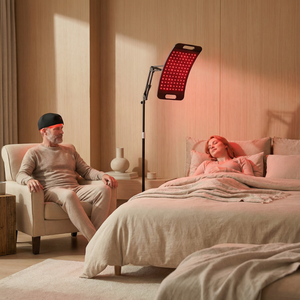
Evening sessions 1-2 hours before bedtime support better sleep quality. The key is creating a calming ritual around your treatment. Dim other lights, eliminate screen exposure, and use your mat session as a transition into your nighttime routine. Sessions of 15-20 minutes provide relaxation benefits without overstimulation.
Combine your red light therapy with other sleep hygiene practices like maintaining consistent bed times, keeping your bedroom cool, and avoiding caffeine in the evening. The therapy works synergistically with these habits to support natural circadian rhythms.
Safety Considerations and Best Practices
Red light therapy is considered extremely safe for most people when used properly, but understanding appropriate precautions ensures the best experience with minimal risks.
Eye Protection
While red and near-infrared light at therapeutic intensities aren't harmful to eyes like UV light, it's wise to avoid staring directly into LED arrays for extended periods. If treating your face or upper body while lying face-up, simply close your eyes during the session. The thin skin of your eyelids allows light to reach underlying tissues while protecting your retinas.
Some practitioners recommend eye protection goggles for extra caution, though research suggests they aren't necessary for standard home therapy devices. If you have specific eye conditions or concerns, consult with your eye doctor before beginning red light therapy.
Contraindications
Certain conditions warrant extra caution or avoidance of red light therapy:
- Pregnancy: While no evidence suggests harm, insufficient research exists on red light therapy during pregnancy, so most experts recommend avoiding it
- Cancer or suspicious skin lesions: Because red light stimulates cellular activity, avoid treating areas with cancer or undiagnosed growths without oncologist approval
- Photosensitizing medications: Some drugs increase light sensitivity; check with your pharmacist if you take prescription medications
- Thyroid conditions: Avoid direct treatment of the thyroid area (front of neck) if you have thyroid disorders
- Epilepsy: Though rare, flashing lights may trigger seizures in photosensitive individuals
When in doubt, consult your healthcare provider before starting red light therapy, especially if you have chronic health conditions or take multiple medications.
Avoiding Overuse
More isn't always better with red light therapy. While it's difficult to "overdose" on red light, excessive sessions can lead to temporary fatigue, headaches, or irritability as your cells work overtime. Stick to recommended session durations (15-20 minutes per area) and frequencies (4-6 times weekly) for optimal results.
Include at least 1-2 rest days per week to allow cellular processes to complete their cycles. Think of red light therapy like exercise—consistent moderate use produces better results than occasional intense marathon sessions.
Maintenance and Care for Your Mat
Proper maintenance extends the life of your red light therapy mat and ensures consistent therapeutic results over years of use.
Cleaning Your Device
Regular cleaning keeps your mat hygienic and functioning optimally. After unplugging the device, wipe the LED surface with a soft, slightly damp cloth. Avoid harsh chemicals, abrasive cleaners, or excessive moisture that could damage electronics. A gentle solution of water with mild soap works well for removing body oils or light debris.
Allow the mat to air dry completely before storing or using again. Clean your mat weekly if used daily, or after each use if multiple family members share the device. This simple maintenance prevents buildup that could block light emission or harbor bacteria.
Storage and Handling
Store your mat in a cool, dry location away from direct sunlight and heat sources when not in use. Many mats come with storage bags or cases that protect them from dust and accidental damage. If your mat is flexible, avoid folding it in the same place repeatedly, as this can stress the LED connections over time.
Handle electrical connections gently, never yanking cords to unplug the device. Inspect cords periodically for any signs of wear or damage, and discontinue use if you notice fraying or exposed wires. Quality devices like those from Nicebeam feature durable construction, but careful handling ensures maximum longevity.
Monitoring Performance
LEDs have extremely long lifespans—typically 50,000+ hours of use—but occasionally individual bulbs may fail. Periodically inspect your mat while powered on to ensure all LEDs are illuminating. A few non-functioning LEDs among hundreds won't significantly impact therapeutic effectiveness, but if you notice multiple dark spots, contact the manufacturer.
Most quality devices come with warranties covering LED failure and electronic issues. Nicebeam's 12-month warranty ensures that any manufacturing defects or premature failures are addressed promptly, giving you peace of mind about your investment.
Maximizing Your Results
Combining with Other Wellness Practices
Red light therapy works synergistically with other health practices. Proper hydration supports the enhanced circulation and cellular processes stimulated by treatment—aim for adequate water intake throughout the day. Quality nutrition provides the building blocks your cells need to make the most of increased ATP production.
Many users combine red light sessions with stretching, yoga, or meditation to enhance relaxation benefits. Others use treatment time for breathing exercises or mindfulness practices. This holistic approach addresses wellness from multiple angles, often producing results greater than any single intervention alone.
Setting Realistic Expectations
Understanding realistic timelines helps maintain motivation during your wellness journey. Some benefits like relaxation and mild pain relief may appear immediately, while others require weeks or months of consistent use. Skin improvements typically become noticeable after 4-8 weeks, while chronic pain reduction may take 6-12 weeks of regular sessions.
Document your starting point with photos or journal entries about pain levels, energy, and sleep quality. Review these periodically to recognize gradual improvements that might otherwise go unnoticed. Progress often happens incrementally, and tracking helps you appreciate the cumulative benefits.
Exploring the Full Nicebeam Range
While flexible mats offer exceptional versatility for full-body treatment, different wellness goals may benefit from specialized devices. For targeted pain in specific areas like knees or shoulders, wearable red light therapy devices provide hands-free treatment while you remain mobile throughout your day.
Those focused on facial rejuvenation might complement their mat use with dedicated skincare devices that precisely target facial contours. Athletes might explore portable red light therapy options for on-the-go recovery. Browse all Nicebeam products to discover the complete range of clinically-grounded therapy solutions designed for your specific wellness needs.
Staying Informed
Red light therapy research continues to evolve, with new applications and protocols emerging regularly. Stay connected with credible sources to learn about the latest findings. The Nicebeam FAQ section addresses common questions and provides updated guidance based on current research and user experiences.
Reading customer reviews offers practical insights from real users who share their experiences, protocols, and results. This community wisdom can help you refine your own approach and discover new applications for your red light therapy mat.
Red light therapy mats represent a powerful convergence of scientific innovation and practical wellness—bringing professional-grade photobiomodulation into your home for convenient, comprehensive self-care. Whether you're managing chronic pain, accelerating athletic recovery, supporting skin health, or simply investing in preventive wellness, these versatile devices offer a non-invasive, evidence-based approach to supporting your body's natural healing processes.
Success with red light therapy comes down to three key factors: choosing a quality device with proper wavelengths and power density, maintaining consistency with regular sessions, and having patience as your cells respond to the increased energy production. The benefits accumulate over time, creating meaningful improvements in how you feel and function.
As you integrate red light therapy into your wellness routine, remember that this technology works best as part of a holistic approach that includes proper nutrition, adequate sleep, regular movement, and stress management. The mat provides the photonic energy, but your lifestyle choices determine how effectively your body can use that energy for repair and optimization.
With trusted devices from Nicebeam—backed by FDA registration, low-EMF certification, comprehensive warranties, and thousands of satisfied customers—you can explore the transformative potential of red light therapy with confidence. Your journey toward reduced pain, faster recovery, and enhanced well-being starts with a simple decision to invest in yourself and the consistent commitment to show up for your daily or weekly sessions.
Ready to Experience Full-Body Red Light Therapy?
Explore Nicebeam's complete range of FDA-registered, clinically-grounded red light therapy devices designed for every wellness goal. From flexible mats to targeted wearables, find the perfect solution for your home wellness routine.
Shop Flexible Red Light Therapy Mats →
Have questions? Our wellness experts are here to help. Contact us for personalized guidance on choosing the right device for your needs.
✓ Free Shipping | ✓ 60-Day Returns | ✓ 12-Month Warranty | ✓ Trusted by 10,000+ Customers