







Red Light Therapy Hair Growth: Results Timeline and What to Expect
Table Of Contents
- Understanding Red Light Therapy for Hair Growth
- The Science Behind Red Light Therapy and Hair Growth
- Realistic Timeline: When You'll See Results
- Factors That Affect Your Results
- Optimal Usage Protocol for Hair Growth
- Choosing the Right Red Light Therapy Device
- Tips for Maximizing Your Hair Growth Results
- What Not to Expect: Setting Realistic Goals
If you're researching red light therapy for hair growth, you're likely wondering about one critical question: when will I actually see results? It's a fair concern. Hair loss can be frustrating, and investing time in any treatment means you want to know what's realistic before you commit.
Red light therapy has gained significant attention in the wellness and dermatology communities for its ability to stimulate hair follicles at the cellular level. Using specific wavelengths of light—particularly 660nm red light and 850nm near-infrared—this non-invasive approach works by energizing mitochondria in hair follicle cells, increasing blood circulation to the scalp, and reducing inflammation that can inhibit growth. Unlike topical treatments or medications, red light therapy addresses hair thinning through a mechanism that supports your body's natural regeneration processes.
But here's what matters most: understanding the timeline. Hair growth doesn't happen overnight, and red light therapy follows the natural hair growth cycle. In this comprehensive guide, we'll walk you through exactly what to expect week by week, the science that makes it work, and how to optimize your routine for the best possible results. Whether you're dealing with androgenetic alopecia, postpartum shedding, or simply want thicker hair, knowing the realistic timeline will help you stay consistent and track your progress effectively.
Red Light Therapy Hair Growth Timeline
What to expect week by week on your hair restoration journey
Dual-Wavelength Technology
Penetrates 8-10mm to target hair follicles, increases cellular energy, and promotes collagen synthesis
Penetrates up to 40mm for deeper tissue stimulation, enhanced blood flow, and reduced inflammation
Your Week-by-Week Journey
Critical Success Factors
Maximize Your Results
Take standardized photos every 2-4 weeks to accurately measure gradual improvements
Ensure adequate protein, iron, biotin, and vitamins to support follicle metabolism
Chronic stress elevates cortisol and disrupts hair growth cycles—prioritize rest
Wearable devices ensure consistent positioning and optimal light delivery to scalp
Ready to Start Your Hair Growth Journey?
FDA-registered devices • Dual-wavelength technology • 60-day returns • 12-month warranty
Explore Wearable DevicesUnderstanding Red Light Therapy for Hair Growth
Red light therapy, also known as photobiomodulation or low-level light therapy (LLLT), uses specific wavelengths of light to penetrate the scalp and stimulate cellular activity in hair follicles. This isn't just surface-level treatment—the light energy reaches deep into the dermal layer where hair follicles reside, triggering biological responses that support healthier, more robust hair growth.
The key to effectiveness lies in wavelength selection. 660nm red light penetrates approximately 8-10mm into tissue, making it ideal for targeting hair follicles located in the scalp's dermal layer. This wavelength is particularly effective at increasing cellular energy production and promoting collagen synthesis around follicles. 850nm near-infrared light penetrates even deeper—up to 40mm—reaching subcutaneous tissues, blood vessels, and deeper cellular structures. Together, these dual wavelengths create a comprehensive approach to hair restoration.
What makes red light therapy particularly appealing is its safety profile and non-invasive nature. Unlike pharmaceutical interventions that may carry systemic side effects, or surgical options that require recovery time, red light therapy works with your body's existing biological processes. It's a tool that supports what your cells are already designed to do—regenerate and maintain healthy tissue.
The Science Behind Red Light Therapy and Hair Growth
To understand why red light therapy works for hair growth, you need to understand the hair growth cycle itself. Hair doesn't grow continuously—it moves through distinct phases. The anagen phase is the active growth period lasting 2-7 years, the catagen phase is a brief transitional period of about 2-3 weeks, and the telogen phase is the resting period of approximately 3 months before the hair sheds and the cycle repeats.
Hair loss conditions like androgenetic alopecia progressively shorten the anagen phase and miniaturize follicles, leading to thinner, shorter hairs over time. Red light therapy intervenes in this process through several biological mechanisms. First, it increases ATP (adenosine triphosphate) production in mitochondria—the energy currency that cells use for all their functions. Hair follicle cells with more energy can maintain longer anagen phases and produce thicker hair shafts.
Second, red light therapy improves microcirculation in the scalp. Better blood flow means more oxygen and nutrients reach follicles, while metabolic waste products are efficiently removed. This creates an optimal environment for hair growth. Third, the therapy reduces inflammatory cytokines that can damage follicles and trigger premature entry into the telogen phase. Chronic inflammation is a common underlying factor in many types of hair loss, so addressing it at the cellular level supports sustained improvement.
Multiple clinical studies support these mechanisms. Research published in Lasers in Surgery and Medicine demonstrated that low-level light therapy significantly increased hair density and thickness in both men and women with androgenetic alopecia. Participants using devices emitting 655nm light showed measurable improvements after 16-26 weeks of consistent use. The evidence base continues to grow, with ongoing research exploring optimal protocols and additional applications.
Realistic Timeline: When You'll See Results
One of the most important things to understand about red light therapy for hair growth is that results accumulate gradually. Hair follicles need time to respond to the cellular changes, shift their growth phase, and produce visible improvements. Here's a detailed breakdown of what to expect during your red light therapy journey.
Weeks 1-4: The Foundation Phase
During the first month, visible changes will be minimal, but crucial biological processes are already underway. At the cellular level, your hair follicle cells are responding to the light therapy by increasing mitochondrial activity and ATP production. You might notice your scalp feels slightly different—perhaps healthier or more vital, though this is subjective. Some users report reduced scalp itching or irritation during this phase, which indicates decreasing inflammation.
This is the most critical time for establishing consistency. Hair follicles that have been dormant or miniaturized won't suddenly spring back to life, but they are receiving the signals and energy they need to begin that transition. The key during this phase is adherence to your treatment protocol without expecting dramatic visual changes. Think of it as laying the groundwork for what comes next.
You may also experience what's called "shedding" during weeks 2-4. This can be alarming, but it's actually a positive sign. As red light therapy stimulates follicles to enter a new anagen phase, hairs in the telogen phase are pushed out to make room for new growth. This temporary increase in shedding typically resolves by week 5-6 and is followed by regrowth.
Weeks 5-8: Early Visible Changes
Around week 5-8, many users notice the first subtle improvements. Existing hairs may appear slightly thicker or have more body and shine. This happens because red light therapy improves the quality of hair being produced—increased collagen around follicles and better nutrient delivery result in stronger hair shafts. You might find your hair feels healthier when you touch it or style it.
If you're taking progress photos (highly recommended), comparing images from week 1 to week 8 may reveal slight increases in density, particularly in areas where thinning was less severe. The changes won't be dramatic yet, but they should be encouraging. Scalp health typically continues to improve, with reduced flaking, irritation, or excessive oiliness as inflammation decreases and cellular function normalizes.
This is also when consistency becomes easier. You've established a routine, and seeing even small changes reinforces your commitment. Continue with your regular treatment schedule—typically 3-5 sessions per week of 10-20 minutes each, depending on your device and protocol.
Weeks 9-16: Noticeable Improvements
The 3-4 month mark is when most users experience clearly noticeable improvements. New hair growth becomes visible, particularly fine "baby hairs" along the hairline and in thinning areas. These new hairs indicate that dormant follicles have been reactivated and are producing hair again. While these initial hairs are fine and light-colored, they will thicken and darken over subsequent months as the follicles strengthen.
Existing hair typically shows measurable improvements in thickness and coverage. Many people report that their part line appears narrower, or that their scalp is less visible through their hair. Hair may also grow faster during this phase, as follicles in the anagen phase are more metabolically active. If you've been tracking hair measurements or counting hairs in specific areas, this is when your data will show clear positive trends.
Friends and family members might start commenting that your hair looks healthier or fuller, even if they don't know you're using red light therapy. These external observations are valuable validation that the improvements are significant enough to be noticed by others.
Months 4-6: Significant Results
By month 4-6, the cumulative effects of red light therapy become substantial. The baby hairs that appeared at month 3 have now matured into thicker, terminal hairs. Overall hair density should be noticeably improved, and the quality of your hair—its thickness, shine, and manageability—should be significantly better than when you started.
Clinical studies typically measure outcomes at the 6-month mark, and data consistently shows that users who maintain regular treatment schedules achieve the best results. Improvements in hair count, hair shaft diameter, and overall coverage plateau somewhat after 6 months, but continued use maintains these gains and may produce additional gradual improvements.
This is also when you'll determine your maintenance schedule. Some users continue with their initial frequency (3-5 times weekly), while others reduce to 2-3 times weekly to maintain results. The right approach depends on your individual response and goals. What's clear is that stopping treatment entirely typically results in gradual regression over several months, as follicles no longer receive the stimulation that was supporting their improved function.
Factors That Affect Your Results
While the timeline above represents typical progression, individual results vary based on several key factors. Understanding these variables helps set realistic expectations and optimize your approach.
Type and severity of hair loss: Red light therapy shows the best results for androgenetic alopecia (pattern hair loss) and diffuse thinning. It's less effective for hair loss caused by autoimmune conditions like alopecia areata or scarring alopecias where follicles have been permanently damaged. Early intervention also produces better outcomes—follicles that have been miniaturized for less time respond more readily than those dormant for many years.
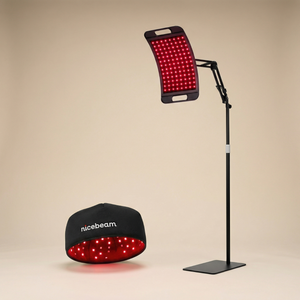
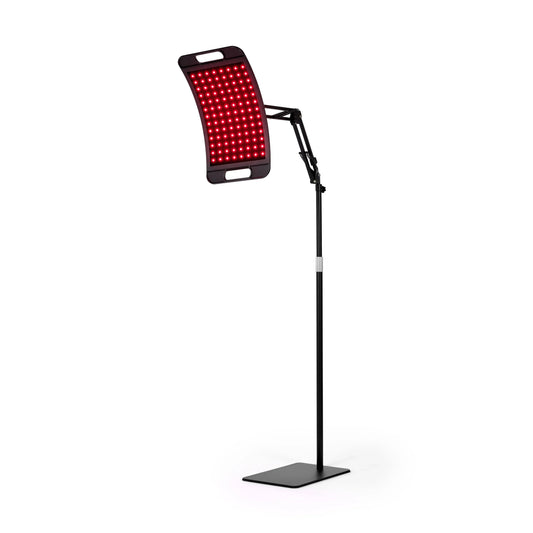
Device quality and specifications: Not all red light therapy devices are equal. Effective treatment requires adequate power density (irradiance), proper wavelengths (660nm and 850nm are ideal), and sufficient coverage area. Devices with low power output or incorrect wavelengths won't produce results regardless of how consistently you use them. Wearable red light therapy devices designed specifically for hair growth, like therapy hats, provide targeted coverage and proper positioning for optimal follicle stimulation.
Treatment consistency: This cannot be overstated—sporadic use produces minimal results. Hair follicles need regular, consistent stimulation to shift their behavior patterns. Missing multiple sessions per week or taking extended breaks disrupts the cellular changes that drive improvement. Think of it like exercise; occasional workouts don't build fitness, but regular training produces measurable changes.
Overall health and nutrition: Red light therapy works synergistically with your body's existing regenerative capacity. If you're deficient in key nutrients for hair growth (iron, biotin, protein, vitamin D), or if you have underlying health conditions affecting circulation or hormone balance, your results may be slower. Addressing these factors alongside red light therapy produces the best outcomes.
Age and hormonal status: Hormones significantly influence hair growth, and factors like menopause, thyroid conditions, or high DHT levels can affect how quickly you see results. Red light therapy can still be effective in these situations, but managing underlying hormonal issues concurrently may accelerate improvement.
Optimal Usage Protocol for Hair Growth
Getting the best results from red light therapy requires following evidence-based protocols. While individual devices may have specific manufacturer recommendations, general best practices include the following guidelines.
Frequency: Most studies showing positive results used treatment protocols of 3-5 sessions per week. This frequency provides consistent stimulation without oversaturating follicles. Some users see results with less frequent use (2-3 times weekly), but this typically extends the timeline before visible improvements appear.
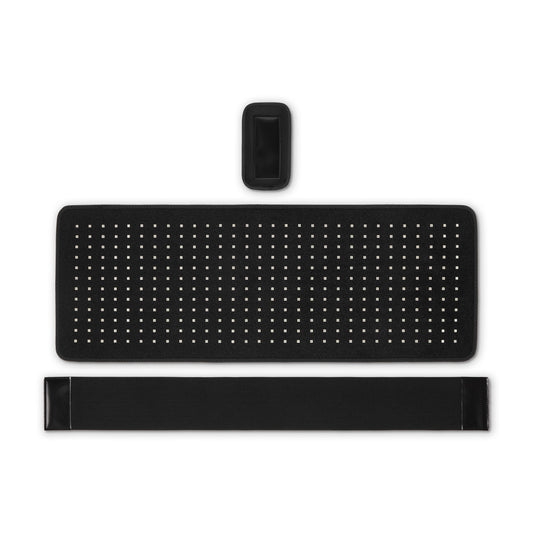
Duration: Session length depends on your device's power output and coverage area. Targeted devices like therapy caps typically require 10-20 minutes per session. Flexible red light therapy panels or portable devices positioned near the scalp may require similar timeframes. The goal is delivering adequate energy density (typically 4-6 joules per square centimeter) to the treatment area.
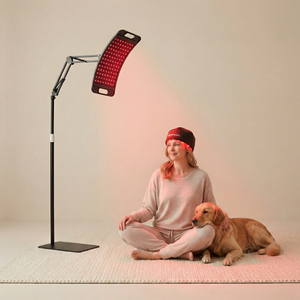
Distance and positioning: Light intensity decreases with distance, so proper positioning matters. Wearable devices designed for hair growth solve this problem by maintaining optimal distance automatically. If using a panel or lamp, position it 6-12 inches from your scalp, ensuring even coverage across thinning areas.
Scalp preparation: Clean, dry hair and scalp allow optimal light penetration. Heavy styling products, excessive oils, or dirt can block light from reaching follicles. Some users prefer treating after showering when the scalp is clean and pores are open from warm water exposure.
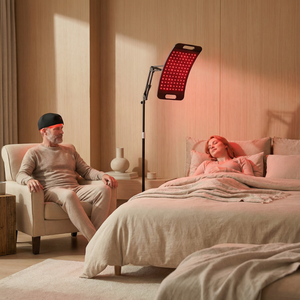
Consistency in timing: While the specific time of day doesn't significantly impact results, establishing a consistent routine (morning or evening) helps with adherence. Many users incorporate sessions into existing routines—morning wellness time or evening relaxation before bed.
Choosing the Right Red Light Therapy Device
The device you choose significantly impacts your results and user experience. For hair growth specifically, certain features and device types offer distinct advantages.
Wearable therapy devices represent the most convenient option for hair growth treatment. Therapy hats and caps provide hands-free operation, optimal positioning, and complete coverage of the scalp. This design ensures consistent light delivery to all areas where thinning occurs, without requiring you to hold a device or maintain a specific position. For busy individuals, this convenience factor dramatically improves treatment adherence. Explore wearable red light therapy options designed specifically for this purpose.
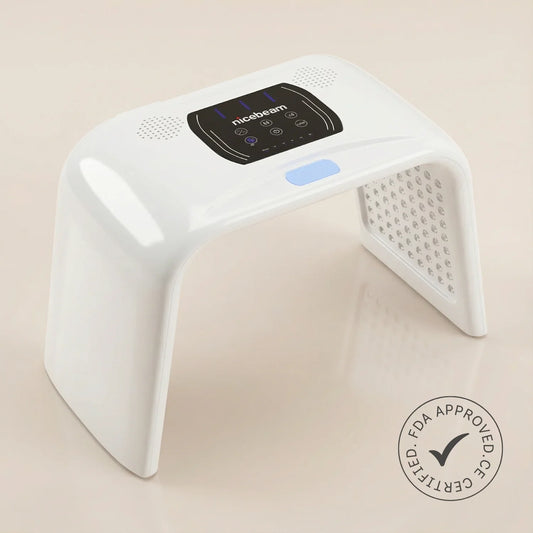
Dual wavelength technology (660nm + 850nm) provides comprehensive treatment by addressing both superficial follicle stimulation and deeper tissue effects. Single-wavelength devices can still be effective, but dual-wavelength systems offer the most complete approach to hair restoration. Nicebeam devices incorporate this dual-wavelength approach across their product lineup, ensuring optimal cellular stimulation at multiple tissue depths.
Power output and coverage determine treatment effectiveness and efficiency. Devices with higher irradiance deliver therapeutic doses in shorter timeframes, while larger coverage areas treat more scalp area simultaneously. When comparing devices, look for specifications that list power density (measured in mW/cm²) rather than just total wattage.
Safety certifications and quality matter for any device you'll use regularly. FDA-registered devices that meet safety standards for EMF emissions ensure you're not introducing unnecessary risks. Nicebeam's devices are FDA-registered, low-EMF, and backed by a 12-month warranty, providing peace of mind alongside effective treatment. Browse best-selling devices trusted by thousands of customers.
Tips for Maximizing Your Hair Growth Results
Red light therapy works best as part of a comprehensive approach to hair health. These strategies can enhance your results and potentially accelerate improvements.
Optimize your nutrition: Hair follicles are among the most metabolically active cells in your body, requiring adequate protein, iron, zinc, biotin, and vitamins A, C, D, and E. If your diet is deficient in these nutrients, even optimal red light therapy can't compensate. Consider a comprehensive blood panel to identify deficiencies, and address them through diet or targeted supplementation.
Manage stress effectively: Chronic stress elevates cortisol, which can push hair follicles into premature telogen phase and exacerbate hair loss. Stress management practices like meditation, regular exercise, adequate sleep, and time in nature support the cellular regeneration that red light therapy stimulates.
Support scalp health: A healthy scalp environment enhances follicle function. Use gentle, sulfate-free shampoos that don't strip natural oils. Consider scalp massage to improve circulation. Avoid excessive heat styling, tight hairstyles that create tension on follicles, and harsh chemical treatments during your red light therapy protocol.
Track your progress: Take standardized photos every 2-4 weeks in the same lighting, from the same angles, with your hair parted the same way. This documentation helps you accurately assess changes that occur gradually. Also track subjective factors—how your hair feels, styling ease, shedding amounts, and scalp comfort.
Combine with compatible treatments: Red light therapy can be used alongside many other hair loss treatments. Minoxidil, scalp serums, dermarolling, and certain supplements can be complementary. However, consult with a healthcare provider before combining treatments to ensure they're compatible and safe for your specific situation.
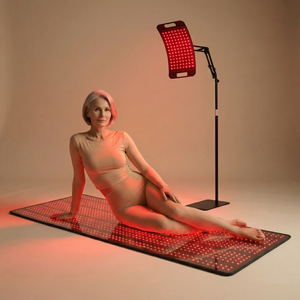
Consider full-body benefits: Many users invest in red light therapy primarily for hair growth but discover additional benefits—improved skin quality, reduced joint pain, better sleep, and enhanced recovery from exercise. Full-spectrum devices allow you to address multiple wellness goals simultaneously, making your investment even more valuable.
What Not to Expect: Setting Realistic Goals
Managing expectations is critical for long-term success with red light therapy. Understanding what this treatment can't do is just as important as knowing what it can accomplish.
Red light therapy cannot restore completely dead follicles. If a follicle has been dormant for many years or the scalp shows smooth, shiny areas with no visible pores, those follicles may be permanently inactive. Red light therapy works by revitalizing follicles that still exist but are miniaturized or underperforming. It cannot create new follicles where none remain.
Results won't match professional transplant outcomes. For individuals with advanced pattern baldness (Norwood Scale 6-7 for men or Ludwig Scale III for women), red light therapy can improve remaining hair quality and potentially slow progression, but won't restore a full head of hair. It's most effective for mild to moderate thinning and as a preventive measure.
Improvements require ongoing maintenance. Red light therapy doesn't cure hair loss—it manages it. Like many treatments for chronic conditions, discontinuing therapy typically results in gradual regression over several months. For sustained results, plan to continue treatment indefinitely, though you may be able to reduce frequency once improvements are achieved.
Individual variation is substantial. While clinical trials show average improvements, your personal response might be better or worse than typical. Genetics, underlying health conditions, and treatment consistency all affect outcomes. Some people are "super responders" who see dramatic improvements, while others experience modest gains. Both outcomes are normal and valid.
It's not a quick fix. If you need immediate results for an upcoming event, red light therapy isn't the solution. The biological processes that drive hair growth operate on a timeline of months, not days or weeks. This treatment rewards patience and consistency, making it ideal for those committed to long-term hair health rather than quick cosmetic fixes.
Red light therapy for hair growth offers a science-backed, non-invasive approach to addressing thinning hair and supporting scalp health. While the journey requires patience—with most users seeing noticeable improvements around the 3-4 month mark and significant results by 6 months—the cumulative benefits make consistent treatment worthwhile. By understanding the realistic timeline and optimizing your protocol, you set yourself up for the best possible outcomes.
The key to success lies in consistency, quality equipment, and realistic expectations. Hair follicles respond to regular stimulation with 660nm red light and 850nm near-infrared wavelengths by increasing cellular energy, improving blood flow, and reducing inflammation. These biological changes translate to thicker, healthier hair over time, but only when you commit to a sustained treatment schedule.
Whether you're in the early foundation phase or approaching the 6-month milestone, remember that every session contributes to your follicles' health and function. Progress photos, treatment logs, and patience will serve you well on this journey. And as you move forward, consider how professional-grade, convenient devices can make adherence easier and results more achievable.
Ready to begin your hair growth journey with confidence? Explore Nicebeam's complete range of wearable red light therapy devices designed specifically for convenient, effective hair restoration, or browse all red light therapy solutions to find the perfect fit for your wellness goals. With FDA-registered devices, dual-wavelength technology, and a 60-day return policy, you can start your transformation risk-free.
Have Questions About Red Light Therapy for Hair Growth?
Our team is here to help you choose the right device and protocol for your specific hair restoration goals. Get personalized guidance from red light therapy experts.
Contact Our Team