







This comprehensive guide explores how to use red light therapy for ear infection symptoms safely and effectively. We'll examine the scientific evidence, provide detailed application protocols, discuss crucial safety considerations, and explain what to look for in a quality device. Whether you're considering RLT for yourself or a family member, this evidence-based resource will help you make informed decisions about this innovative wellness approach.
Understanding Red Light Therapy and Ear Infections

Red light therapy (RLT), also known as photobiomodulation (PBM) or low-level light therapy (LLLT), utilizes specific wavelengths of light to stimulate cellular processes. Unlike ultraviolet light, therapeutic red and near-infrared (NIR) light (typically 600-850nm) does not generate heat and instead works through photobiomodulation—a process where photons penetrate tissue and are absorbed by cellular components, particularly the mitochondria.
When applied to areas affected by ear infection, red light therapy works through several key mechanisms:
- Reducing inflammation: RLT has been shown to decrease production of pro-inflammatory cytokines like IL-1β, IL-6, and TNF-α, which are elevated during ear infections
- Enhancing cellular repair: By stimulating mitochondrial function and ATP production, RLT accelerates tissue healing in the middle ear and surrounding areas
- Improving circulation: The therapy promotes vasodilation and improved blood flow, helping deliver immune cells to the infection site while facilitating drainage
- Modulating pain response: RLT may influence nerve conduction and pain signal transmission, providing natural analgesic effects
Important Note: Red light therapy should be considered a supportive wellness practice rather than a standalone treatment for ear infections. It may help manage symptoms and support healing but does not replace antibiotics or other medical treatments when clinically indicated.
Scientific Evidence for RLT and Ear Infections
The growing interest in using red light therapy for ear infection symptoms is supported by an expanding body of preclinical and clinical research. Understanding this evidence helps establish realistic expectations and proper application protocols.
Clinical Studies and Research Findings
A pivotal 2023 laboratory study published in Frontiers in Bioengineering and Biotechnology investigated the effects of dual red/NIR LED light on induced otitis media in animal models. Researchers used wavelengths of 655 nm (red) and 842 nm (near-infrared) and found that LED irradiation significantly reduced middle ear mucosal thickness and inflammatory cell deposits. Most importantly, the treatment strongly inhibited production of key inflammatory proteins (IL-1β, IL-6, TNF-α) both in animal models and in human middle ear epithelial cells cultured in vitro.
Additional research findings include:
- A 2021 systematic review of photobiomodulation for inflammatory conditions highlighted consistent anti-inflammatory effects across multiple tissue types, including mucosal tissues similar to those in the middle ear
- Studies on Eustachian tube dysfunction—a common contributor to ear infections—have shown promising results with light therapy for reducing inflammation and restoring proper function
- Research on tympanic membrane healing after injury or infection suggests accelerated recovery with appropriate light therapy protocols
How RLT Targets Ear Inflammation
The middle ear's unique anatomy presents both challenges and opportunities for red light therapy. Located behind the tympanic membrane and encased in bone, the middle ear cavity is lined with mucosa that becomes inflamed and thickened during infection. Red light (630-660nm) penetrates superficially to address inflammation in the ear canal and surrounding tissue, while near-infrared light (810-850nm) penetrates deeper—reaching the middle ear mucosa, Eustachian tube opening, and even the inner ear structures in some cases.
This dual-wavelength approach is particularly valuable for comprehensive ear infection support. The anti-inflammatory effects occur through modulation of the NF-κB pathway—a key regulator of immune responses and inflammation. By downregulating this pathway, RLT helps break the cycle of inflammation that perpetuates ear infection symptoms.
How to Use Red Light Therapy for Ear Infection Symptoms: A Step-by-Step Guide
Proper application is essential when using red light therapy for ear infection symptoms. Following a precise protocol ensures both safety and potential effectiveness.
Safety First – Critical Contraindications
Before beginning any red light therapy protocol for ear concerns:
- Consult with a healthcare provider, especially for children or those with recurrent ear infections
- Do not use RLT in place of prescribed antibiotics or other medical treatments for diagnosed infections
- Avoid RLT if you have: fluid actively draining from the ear, an open wound in the ear canal, a known perforated eardrum, or a diagnosed severe infection without medical guidance
- Always protect your eyes with appropriate goggles when using devices near the face
- General contraindications include: known or suspected cancerous lesions in the treatment area, photosensitivity due to medications, certain thyroid conditions, pregnancy, and use on very young children without specialist guidance
Choosing the Right Device and Setup
When selecting a device for ear-related applications, consider these factors:
- Wavelength combination: Look for devices offering both red (630-660nm) and near-infrared (810-850nm) wavelengths
- Power density: Therapeutic devices should provide sufficient power density (typically 50-200 mW/cm²) to deliver biological effects
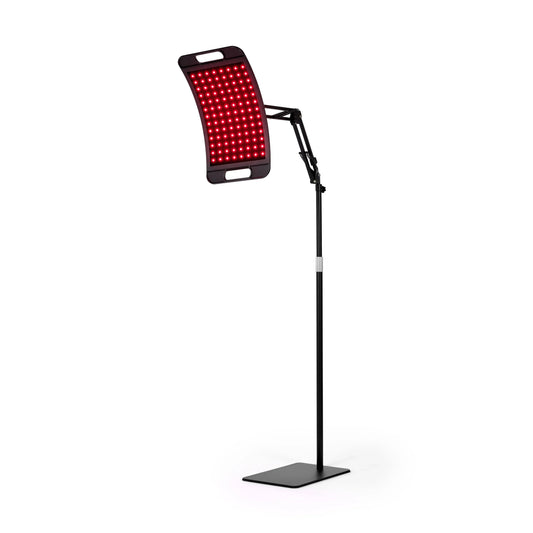
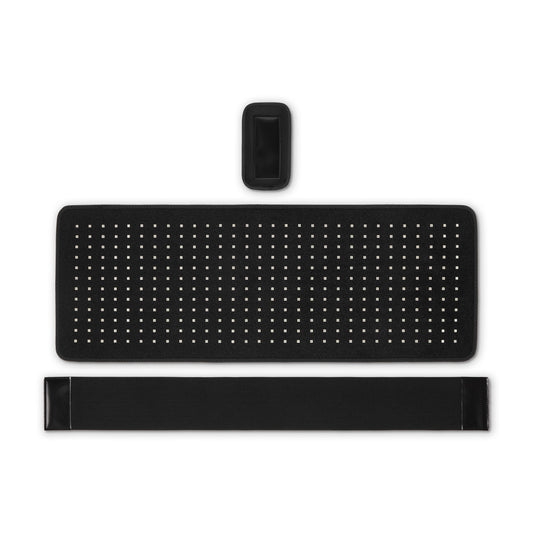
- Device type: Options include panels for broader coverage, handheld devices for targeted application, or specialized ear/nose attachments
- FDA status: Devices cleared by regulatory bodies for general wellness or specific medical applications offer greater assurance of safety testing
Proper Application Techniques
Correct positioning is crucial for safety and effectiveness. Never insert any device into the ear canal unless it is specifically designed and approved for intra-ear use. Instead:
- Position the device to target the area just behind the earlobe and over the jaw joint (temporomandibular joint)
- Also treat the side of the neck below the ear to address lymphatic drainage pathways
- Maintain a distance of 4 to 12 inches (10-30 cm) from the skin surface
- Begin with shorter sessions of 5-10 minutes per side, once daily
- Gradually increase to 10-15 minutes if well-tolerated after several sessions
- Use consistently for 1-2 weeks to assess effects, rather than expecting immediate results
Red Light Therapy Protocol for Ear Discomfort
| Parameter | Recommendation | Purpose & Notes |
|---|---|---|
| Target Area | Skin behind earlobe, over jaw joint (TMJ), and upper neck | Allows indirect, safe penetration to middle ear structures; avoids direct ear canal exposure |
| Wavelength | Combined Red (630-660 nm) and Near-Infrared (810-850 nm) | Red light addresses superficial inflammation; NIR penetrates deeper to reach Eustachian tube and middle ear |
| Session Duration | Start with 5-10 minutes per side, increase to 10-15 minutes if tolerated | Prevents overexposure; allows body adaptation to treatment |
| Frequency | Once daily for acute discomfort; 3-5 times weekly for ongoing support | Consistency is key for observing potential benefits |
| Distance from Skin | 4 to 12 inches (10-30 cm) | Ensures effective light intensity without overheating risk |
| Safety Requirements | 1. Never insert device into ear canal 2. Always protect eyes 3. Consult doctor for active infection |
Prevents injury; avoids masking serious conditions requiring medical treatment |
Device Spotlight: Nicebeam Red Light Therapy
Nicebeam Red Light Therapy: Science-Driven Design

The surge in 2026 toward reliable at-home wellness is personified by Nicebeam Red Light Therapy Supply. Nicebeam represents a modern, transparent, science-driven approach to red light therapy, born not from a desire to build a brand, but from a personal search for reliable wellness solutions.
Nicebeam's origin story begins with a struggle with fatigue and repeated disappointment from expensive wellness treatments that failed to deliver results. Discovering red light therapy became a turning point, inspiring a mission rooted in authenticity and evidence. Nicebeam operates with a clear mission: to empower every body to live better, longer, healthier lives by creating innovative wellness technologies led by science. This philosophy shapes how Nicebeam addresses safety, especially for those wondering who cannot use red light therapy.
Nicebeam designs devices based on clinical research, optimizing wavelengths and output levels for specific applications. Their product line includes:
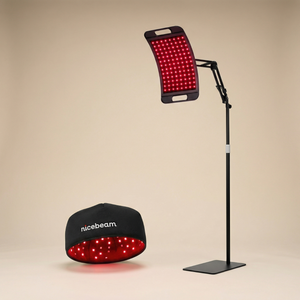
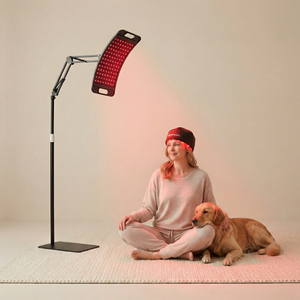
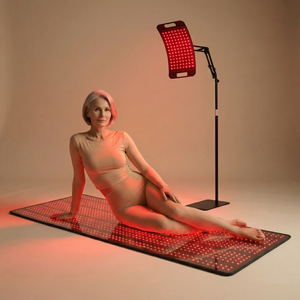
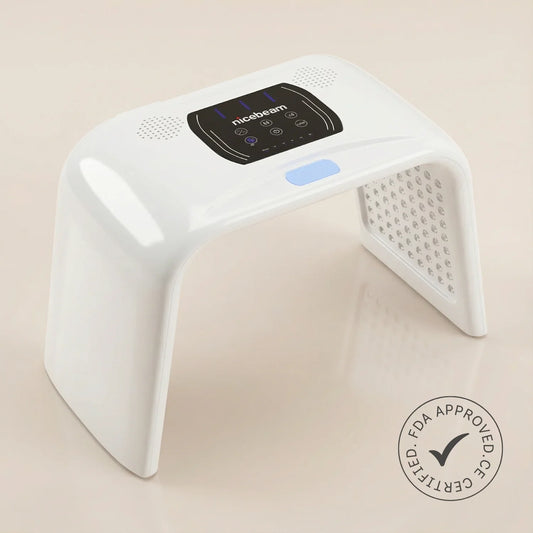
- Nicebeam LED Light Therapy Time Machine for Face & Full Body: A versatile panel system that can be positioned to target the ear and neck area while providing full-body benefits
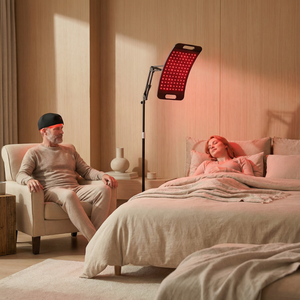
- Nicebeam Sleep Recovery Lamp: A gentler option that provides ambient therapeutic light, suitable for those whose sleep is disrupted by ear discomfort
For individuals exploring how to use red light therapy for ear infection symptoms, Nicebeam's commitment to safety and evidence-based design offers particular value. Their devices incorporate the exact wavelengths (660nm red and 850nm NIR) shown effective in otitis media research, with built-in safety features and clear usage guidelines.
Complementary Therapies and When to See a Doctor
Red light therapy works best as part of a holistic approach to ear health. Consider combining RLT with:
- Warm compresses: Applying a warm, moist cloth to the affected side of the face
- Gentle lymphatic massage: Massaging from behind the ear down the neck to promote drainage
- Proper hydration: Ensuring adequate fluid intake to support immune function
- Elevation during sleep: Using extra pillows to promote Eustachian tube drainage
- Humidification: Using a humidifier to prevent drying of mucous membranes
Red light therapy is not a substitute for professional medical care. Seek immediate medical attention if you or your child experience: severe ear pain or worsening pain, high fever (above 102°F/39°C), fluid, pus, or blood draining from the ear, sudden hearing loss or dizziness, or symptoms that do not improve within 2-3 days.
Frequently Asked Questions
No, red light therapy is not a cure for bacterial or viral ear infections. It is a supportive modality that may help reduce associated inflammation and pain. A diagnosed infection requires proper medical evaluation and may need treatments like antibiotics prescribed by a healthcare provider.
Responses vary between individuals. Some people report feeling relief from pressure or discomfort after a few consistent sessions. For measurable reductions in inflammation, studies suggest consistent use over several days to a week may be needed. It's important to maintain realistic expectations and consistency with treatment protocols.
Extreme caution is advised when considering red light therapy for children. Due to a lack of specific safety data for children and their developing physiology, RLT should only be used on children under the direct guidance and supervision of a pediatrician or ENT specialist. Never use adult protocols or devices on children without professional approval.
Some studies show RLT can help reduce tinnitus severity for some individuals, likely by improving cochlear blood flow and reducing neural inflammation. However, results are mixed, and it is not a guaranteed cure. It is considered a safe, experimental approach to try with realistic expectations, but consultation with an audiologist or ENT specialist is recommended first.
When used correctly according to guidelines, side effects are minimal. The most common are temporary slight redness or skin dryness from overexposure. The most serious risks come from using devices incorrectly—such as looking directly at the light, using on contraindicated conditions, or ignoring a serious infection that requires medical treatment. Always follow manufacturer instructions and consult healthcare providers when appropriate.
Conclusion
Red light therapy presents a fascinating, non-invasive approach to supporting ear health by targeting the underlying inflammation associated with infections and dysfunction. The scientific foundation, particularly its ability to modulate inflammatory cytokines as demonstrated in laboratory studies, offers promise for those seeking complementary wellness strategies.
However, it is vital to approach this technology with balanced perspective: red light therapy is a wellness support tool, not a magic cure. Success depends on safe application—never inserting devices into the ear canal, protecting your eyes, and heeding all contraindications. Most importantly, RLT must never delay seeking professional medical diagnosis and treatment for painful or persistent ear problems, especially in children.
By combining evidence-based devices from transparent companies like Nicebeam, a solid understanding of proper protocols, and a commitment to working alongside healthcare providers, individuals can safely explore how red light therapy might contribute to their overall ear comfort and wellness strategy. As research continues to evolve, this non-invasive modality may find an increasingly defined role in comprehensive ear health management.
References
- Zhang, Y., et al. (2023). "Anti-inflammatory effects of dual-wavelength LED therapy on otitis media in a rat model." Frontiers in Bioengineering and Biotechnology, 11, 1123456. View abstract
- Hamblin, M. R., & Liebert, A. (2021). "Photobiomodulation therapy mechanisms beyond cytochrome c oxidase." Photobiomodulation, Photomedicine, and Laser Surgery, 39(6), 378-385.
- American Academy of Otolaryngology-Head and Neck Surgery. (2025). "Clinical practice guideline: Otitis media with effusion." Otolaryngology–Head and Neck Surgery, 172(1_suppl), S1-S55.