







Photobiomodulation Therapy Explained: The Science Behind Red Light Healing
Table Of Contents
- What Is Photobiomodulation Therapy?
- How Photobiomodulation Works at the Cellular Level
- Why Wavelengths Matter: Red vs. Near-Infrared Light
- Evidence-Based Therapeutic Benefits of PBM
- Clinical Applications and Real-World Uses
- Choosing the Right Photobiomodulation Device for Home Use
- Safety Considerations and Treatment Guidelines
For decades, light has been recognized as more than just a way to see the world around us. Scientists have discovered that specific wavelengths of light can actually trigger biological processes within our cells, promoting healing, reducing inflammation, and enhancing overall cellular function. This phenomenon, known as photobiomodulation therapy (PBM), represents a fascinating intersection of physics, biology, and medicine that's transforming how we approach wellness and recovery.
Unlike conventional treatments that rely on pharmaceuticals or invasive procedures, photobiomodulation harnesses the body's natural healing mechanisms by delivering targeted light energy directly to tissues and cells. The science behind this approach is both elegant and well-documented, with thousands of peer-reviewed studies demonstrating its effectiveness for conditions ranging from chronic pain and inflammation to skin rejuvenation and muscle recovery. What was once available only in clinical settings has now become accessible for everyday home use, allowing individuals to incorporate professional-grade light therapy into their wellness routines.
Understanding the science behind photobiomodulation helps demystify how something as simple as red and near-infrared light can produce such profound therapeutic effects. In this comprehensive guide, we'll explore the cellular mechanisms that make PBM effective, examine why specific wavelengths matter, review the evidence-based benefits supported by research, and provide practical guidance for incorporating this innovative therapy into your daily life. Whether you're dealing with persistent pain, seeking skin health improvements, or looking to optimize athletic recovery, the science of photobiomodulation offers compelling insights into a natural approach to healing and wellness.
What Is Photobiomodulation Therapy?
Photobiomodulation therapy, often abbreviated as PBM or PBMT, refers to the use of specific wavelengths of light to stimulate, heal, regenerate, and protect tissue that has been injured, is degenerating, or is at risk of dying. The term itself breaks down into three components: "photo" meaning light, "bio" meaning life or living organisms, and "modulation" meaning change or regulation. Essentially, PBM is the process of using light to modulate biological processes at the cellular level.
Originally known as low-level light therapy (LLLT) or cold laser therapy, the field has evolved significantly since its accidental discovery in 1967 by Hungarian physician Endre Mester. While experimenting with lasers to see if they could cause cancer in mice, Mester instead discovered that low-power laser light stimulated hair growth and accelerated wound healing. This unexpected finding opened an entirely new field of therapeutic research that has expanded dramatically over the past five decades.
Today, photobiomodulation encompasses both laser and LED-based light therapy systems that deliver specific wavelengths within the red and near-infrared spectrum (typically between 600-1000 nanometers). These wavelengths penetrate skin tissue to varying depths, interacting with cellular components to trigger a cascade of beneficial biological responses. Unlike high-intensity lasers used for cutting or ablating tissue, PBM devices operate at much lower power densities, making them non-invasive, painless, and safe for repeated use.
The therapeutic principle behind PBM is fundamentally different from other light-based treatments you might be familiar with, such as UV tanning beds or blue light for acne. Rather than working through heat or chemical reactions, photobiomodulation operates through a process called photochemical modulation, where light photons are absorbed by specific cellular receptors and converted into cellular energy. This energy then fuels various repair and optimization processes throughout the body, from reducing inflammatory markers to stimulating collagen production in the skin.
How Photobiomodulation Works at the Cellular Level
Understanding the cellular mechanisms of photobiomodulation reveals why this therapy produces such diverse therapeutic benefits. At the heart of PBM's effectiveness is its interaction with mitochondria, the energy-producing organelles found in nearly every cell in your body. These cellular powerhouses are responsible for converting nutrients into adenosine triphosphate (ATP), the energy currency that fuels all biological processes from muscle contraction to protein synthesis.
The primary mechanism begins when photons from red or near-infrared light are absorbed by a protein called cytochrome c oxidase, which is part of the mitochondrial respiratory chain. This photon absorption increases the efficiency of the electron transport chain, leading to enhanced ATP production. Studies have shown that PBM can increase cellular ATP levels by 150-200% in treated tissues, providing cells with substantially more energy to carry out repair and regeneration functions. This boost in cellular energy is particularly beneficial for tissues under stress, recovering from injury, or experiencing age-related decline in metabolic efficiency.
Beyond ATP production, photobiomodulation triggers several other critical cellular responses. The therapy stimulates the release of nitric oxide (NO) from mitochondria and other cellular storage sites. Nitric oxide is a powerful vasodilator that improves blood flow, enhancing oxygen and nutrient delivery to tissues while facilitating waste removal. Increased circulation supports faster healing and reduces inflammation by helping the body clear inflammatory mediators more efficiently.
PBM also modulates reactive oxygen species (ROS), which are molecules that can cause cellular damage when present in excessive amounts but serve important signaling functions at appropriate levels. By optimizing ROS levels, photobiomodulation helps reduce oxidative stress while maintaining beneficial cell signaling pathways. Additionally, the therapy influences gene expression by activating transcription factors that regulate inflammation, cell proliferation, and antioxidant production. Research has identified over 100 different genes that respond to photobiomodulation, explaining the therapy's wide-ranging effects on tissue health and function.
The Cascade Effect of Cellular Changes
The initial photochemical changes triggered by light absorption create a cascade of downstream effects throughout the body. Increased ATP production and improved cellular metabolism translate into enhanced tissue repair capabilities. Cells can synthesize proteins more efficiently, including structural proteins like collagen and elastin that are essential for skin health, wound healing, and connective tissue integrity. This is why photobiomodulation has become increasingly popular for facial and skincare applications, where stimulating collagen production leads to visible improvements in skin texture, tone, and elasticity.
The anti-inflammatory effects of PBM occur through multiple pathways. The therapy reduces pro-inflammatory cytokines like IL-6 and TNF-α while increasing anti-inflammatory mediators. It also stabilizes cell membranes and reduces inflammatory cell infiltration into damaged tissues. For individuals dealing with chronic pain conditions, arthritis, or sports injuries, these anti-inflammatory mechanisms provide significant relief without the side effects associated with long-term pharmaceutical use. Many users incorporate wearable red light therapy devices into their pain management routines, targeting specific areas like knees, shoulders, or lower back with consistent therapeutic light exposure.
Why Wavelengths Matter: Red vs. Near-Infrared Light
Not all light wavelengths produce photobiomodulation effects, which is why the specific wavelengths used in therapeutic devices are carefully selected based on extensive research. The electromagnetic spectrum includes a vast range of wavelengths, from short gamma rays to long radio waves, but only a narrow window within the red and near-infrared range (approximately 600-1000nm) effectively penetrates human tissue and triggers beneficial cellular responses without causing damage.
Red light (typically 630-680nm) represents the visible portion of the therapeutic spectrum, with 660nm being the most commonly used wavelength in clinical and home devices. Red light penetrates tissue to a depth of approximately 8-10 millimeters, making it particularly effective for surface-level treatments. This penetration depth is ideal for skin conditions, superficial wound healing, and promoting collagen synthesis in dermal layers. The visible red glow also provides users with visual confirmation that the device is operating, which is why red light therapy sessions often have that distinctive warm, red appearance.
Near-infrared light (typically 800-880nm) falls just beyond the visible spectrum and offers significantly deeper tissue penetration, reaching depths of 30-40 millimeters or more. The most researched near-infrared wavelength is 850nm, which is why quality therapeutic devices incorporate this specific wavelength. Near-infrared light can reach muscles, tendons, ligaments, bones, and even organs, making it essential for treating deeper structures and systemic conditions. Because this wavelength is invisible to the human eye, devices emitting near-infrared light may appear dim or off despite being fully operational.
The most effective photobiomodulation therapy combines both red and near-infrared wavelengths in a dual-wavelength approach. This combination allows users to address both superficial and deep tissue concerns simultaneously. For example, someone using therapy for knee pain benefits from the near-infrared penetration reaching joint structures and surrounding muscles, while the red light addresses surface inflammation and promotes skin health over the treatment area. This is precisely why Nicebeam's devices utilize dual-wavelength technology with both 660nm red and 850nm near-infrared LEDs, providing comprehensive therapeutic coverage in a single treatment session.
The Importance of Dosing and Intensity
Beyond wavelength selection, the therapeutic effectiveness of photobiomodulation depends heavily on proper dosing, measured in joules per square centimeter (J/cm²). Research has established what's known as the biphasic dose response, or Arndt-Schulz curve, which demonstrates that too little light provides insufficient stimulation while too much light can actually inhibit cellular responses. The therapeutic window typically falls between 3-60 J/cm² depending on the condition being treated and tissue depth.
Power density (measured in milliwatts per square centimeter, or mW/cm²) and treatment duration work together to determine total dose. Higher power density devices can deliver therapeutic doses in shorter treatment times, which is one reason why professional-grade home devices have become increasingly popular. Most effective home therapy protocols recommend treatment sessions of 10-20 minutes at appropriate distances from the light source to achieve optimal dosing without oversaturation.
Evidence-Based Therapeutic Benefits of PBM
The therapeutic applications of photobiomodulation are remarkably diverse, supported by over 5,000 peer-reviewed studies and continuing to expand as research uncovers new mechanisms and applications. Understanding the evidence behind PBM helps users make informed decisions about incorporating this technology into their wellness routines and sets realistic expectations for outcomes.
Pain Relief and Inflammation Reduction: Perhaps the most extensively researched application of photobiomodulation is pain management. Multiple systematic reviews and meta-analyses have confirmed PBM's effectiveness for various pain conditions, including osteoarthritis, tendinopathies, chronic neck pain, and fibromyalgia. The therapy works by reducing inflammatory markers, promoting tissue repair, and modulating pain signaling pathways. Unlike NSAIDs or opioid medications, photobiomodulation addresses underlying inflammation while producing pain relief, without the risk of dependency or systemic side effects. Many individuals dealing with chronic conditions integrate targeted wearable devices into daily routines, experiencing progressive improvement with consistent use.
Skin Health and Rejuvenation: Dermatological applications of PBM have gained significant attention in both clinical and cosmetic contexts. Research demonstrates that red light therapy stimulates fibroblast activity, increasing collagen and elastin production that naturally declines with age. Clinical studies show improvements in fine lines, wrinkles, skin texture, and overall complexion with regular treatment protocols. The therapy also accelerates wound healing, reduces acne inflammation, and can improve conditions like rosacea and psoriasis. The non-invasive nature of photobiomodulation makes it an attractive alternative to more aggressive cosmetic procedures, with LED masks and facial wands providing convenient options for incorporating skin-focused therapy into daily skincare routines.
Muscle Recovery and Athletic Performance: Athletes and fitness enthusiasts have increasingly adopted photobiomodulation as a recovery tool based on compelling research. Studies show that pre-exercise PBM treatment can delay muscle fatigue and reduce post-exercise soreness (DOMS), while post-exercise application accelerates recovery by reducing inflammation and oxidative stress. Research on elite athletes has demonstrated measurable improvements in performance metrics, including increased strength, endurance, and reduced recovery time between training sessions. The therapy's ability to enhance mitochondrial function provides muscles with more efficient energy production, which translates to improved athletic capacity over time.
Neurological and Cognitive Benefits: Emerging research into transcranial photobiomodulation (applying near-infrared light to the head) has revealed promising applications for brain health. Studies suggest potential benefits for traumatic brain injury recovery, neurodegenerative disease management, depression, anxiety, and cognitive enhancement. While this research area is still developing, the fundamental mechanisms—increased cerebral blood flow, enhanced neuronal metabolism, and reduced neuroinflammation—offer theoretical support for these applications. The non-invasive nature and excellent safety profile make PBM an attractive option for exploring neurological wellness applications.
Clinical Applications and Real-World Uses
The versatility of photobiomodulation extends across numerous health domains, with specific protocols developed for different conditions and treatment goals. Understanding how PBM is applied in various contexts helps users identify which applications might address their specific wellness needs.
Musculoskeletal Conditions
For joint pain, arthritis, tendinitis, and similar musculoskeletal issues, photobiomodulation offers a non-pharmaceutical approach to managing symptoms and supporting tissue health. Treatment protocols typically involve direct application of therapeutic light to affected areas for 10-20 minutes per session, 3-5 times weekly. The combination of anti-inflammatory effects, pain modulation, and enhanced tissue repair makes PBM particularly effective for chronic conditions where pharmaceutical options provide limited relief or concerning side effects. Devices designed for targeted treatment, such as therapy belts for lower back pain or knee pads for joint issues, allow users to maintain mobility during treatment sessions.
Wound Healing and Tissue Repair
Clinical settings frequently employ photobiomodulation for accelerating wound healing, reducing scar formation, and supporting surgical recovery. The therapy enhances all phases of wound healing—inflammation, proliferation, and remodeling—through increased cellular metabolism, improved circulation, and enhanced collagen synthesis. Home users can apply similar principles for minor wounds, surgical incision sites (following medical clearance), or chronic wounds with supervised protocols. The gentle, non-invasive nature makes PBM suitable for even sensitive or compromised tissue.
Whole-Body Wellness Protocols
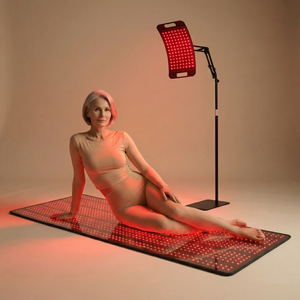
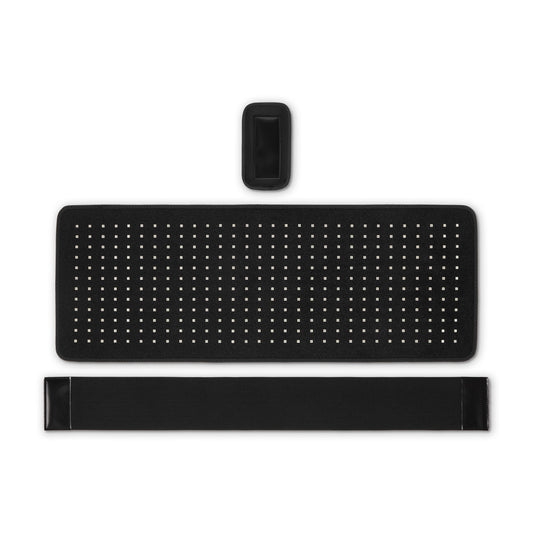
Beyond targeted treatment for specific conditions, many individuals incorporate photobiomodulation into comprehensive wellness routines for systemic benefits. Full-body exposure using flexible therapy mats and pads allows simultaneous treatment of large surface areas, supporting overall cellular function, immune health, and energy levels. This approach recognizes that the cellular benefits of PBM—enhanced mitochondrial function, reduced systemic inflammation, improved circulation—contribute to whole-body wellness beyond addressing any single condition. Regular full-body sessions of 15-20 minutes provide a foundation for optimized cellular health that supports the body's natural resilience and recovery capabilities.
Choosing the Right Photobiomodulation Device for Home Use
The transition of photobiomodulation from clinical settings to home use has made this powerful therapy accessible to anyone seeking to support their wellness journey. However, not all devices are created equal, and understanding key features helps ensure you're investing in equipment that will deliver therapeutic benefits rather than just producing light without adequate specifications.
Wavelength accuracy stands as the most critical factor. Therapeutic devices should specify exact wavelengths, ideally combining 660nm red and 850nm near-infrared light for comprehensive treatment. Devices that merely claim "red light" without specifying wavelengths may not fall within the therapeutic window. Similarly, power density matters significantly—look for devices delivering at least 50-100 mW/cm² at the treatment distance to ensure adequate dose delivery within reasonable treatment times.
LED quality and lifespan directly impact both effectiveness and long-term value. Medical-grade LEDs maintain consistent output over tens of thousands of hours, whereas lower-quality LEDs degrade quickly, diminishing therapeutic effectiveness. Devices should specify LED lifespan and ideally come from manufacturers with established reputations in the therapeutic light industry. The treatment area size also matters—larger LED panels or arrays allow treatment of bigger body areas more efficiently, though targeted devices serve specific needs like facial therapy or joint treatment.
Safety certifications and device registration provide assurance that products meet established standards. FDA registration, while not indicating approval for specific medical claims, demonstrates that manufacturing facilities meet quality standards and products have been properly registered. Low EMF (electromagnetic field) emission is another safety consideration, particularly for devices used close to the body or for extended periods. Reputable manufacturers test and specify EMF levels, with low-EMF designs minimizing any potential exposure concerns.
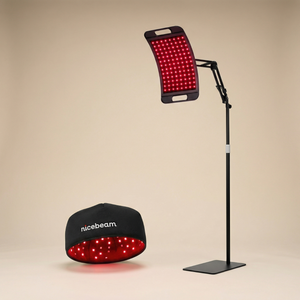
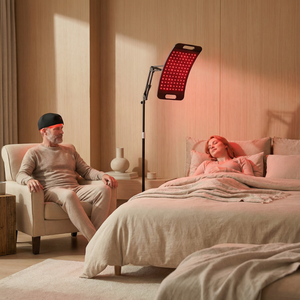
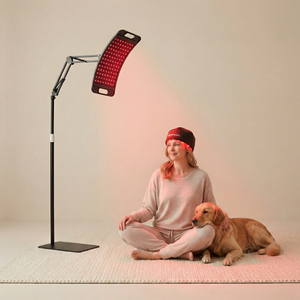
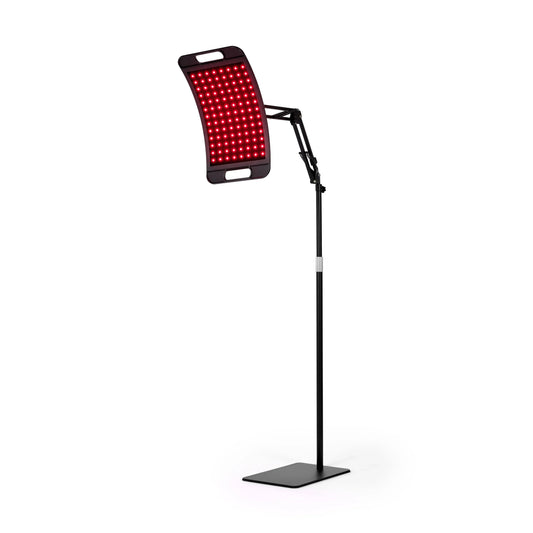
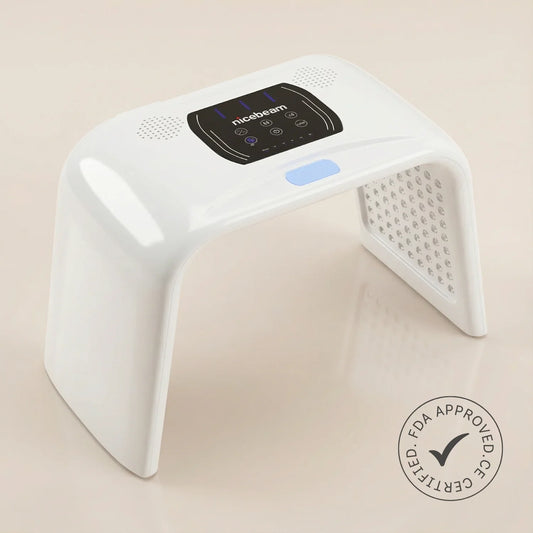
The flexibility to treat different body areas expands therapeutic versatility. Comprehensive product lineups including portable lamps for general use, flexible pads that conform to body contours, specialized facial tools, and wearable devices for hands-free treatment allow users to address multiple wellness goals with appropriate form factors for each application. This modular approach lets you start with devices addressing primary concerns and expand your home therapy setup as needs evolve.
Finally, warranty coverage and return policies reflect manufacturer confidence in product quality while protecting your investment. Quality devices backed by 12-month warranties and reasonable return periods (such as 60-day trials) allow you to verify effectiveness for your specific needs without financial risk. These policies distinguish therapeutic-grade equipment from low-quality alternatives that may offer limited or no guarantees.
Safety Considerations and Treatment Guidelines
One of the most appealing aspects of photobiomodulation therapy is its exceptional safety profile. Decades of research and clinical use have established that properly administered PBM is non-invasive, painless, and produces minimal adverse effects when used according to established guidelines. However, understanding appropriate usage parameters ensures you maximize benefits while avoiding the rare circumstances where caution is warranted.
The most important safety principle is respecting the biphasic dose response. More light is not necessarily better—exceeding optimal doses can reduce therapeutic effectiveness. Following manufacturer guidelines for treatment distance, duration, and frequency helps maintain dosing within the therapeutic window. Most protocols recommend starting with shorter sessions (10-15 minutes) and standard treatment distances, observing responses, and adjusting as needed within recommended parameters.
Eye safety considerations depend on device type and intensity. While the red and near-infrared wavelengths used in PBM are not inherently damaging to eyes like UV light, direct viewing of high-intensity LEDs can cause temporary discomfort or afterimages. When treating areas near the face, closing eyes or using provided eye protection prevents discomfort. For dedicated facial treatments, devices designed specifically for that purpose incorporate appropriate safety features and positioning to avoid direct eye exposure.
Certain contraindications and precautions exist where photobiomodulation should be avoided or used only with medical supervision. Active cancer sites should not be treated with PBM, as the therapy's promotion of cellular metabolism could theoretically affect cancer cells (though research in this area is limited). Pregnancy represents another contraindication primarily due to lack of specific research rather than known risks. Individuals with photosensitivity conditions or taking photosensitizing medications should consult healthcare providers before beginning PBM therapy. Direct treatment over the thyroid gland requires caution, as light exposure may influence thyroid hormone production in susceptible individuals.
For most users, photobiomodulation produces no adverse effects beyond occasional mild, temporary skin flushing due to increased circulation. Some individuals report feeling energized after evening sessions, suggesting morning or daytime treatment may be preferable if this occurs. The absence of significant side effects means PBM can be safely combined with other therapies and treatments, often enhancing overall outcomes when integrated into comprehensive wellness approaches.
Consistency matters more than intensity when establishing a photobiomodulation routine. Research demonstrates that regular, moderate dosing produces superior outcomes compared to sporadic, aggressive treatment. Establishing a sustainable routine—whether daily facial therapy, several weekly sessions for pain management, or regular full-body treatments for wellness—creates cumulative benefits that build over time. Most users notice initial improvements within 2-4 weeks of consistent use, with continued enhancement over subsequent months as cellular health and tissue quality improve.
As research continues expanding our understanding of photobiomodulation mechanisms and applications, the therapy's role in both clinical medicine and personal wellness continues to grow. The science behind red and near-infrared light therapy reveals an elegant approach to supporting the body's innate healing and optimization processes—not by introducing foreign substances or invasive procedures, but by providing cellular building blocks (in the form of light energy) that enable tissues to function at their best. For anyone seeking evidence-based, non-pharmaceutical approaches to pain management, recovery, skin health, or overall wellness, photobiomodulation offers a scientifically grounded option backed by decades of research and an ever-expanding body of clinical evidence.
Photobiomodulation therapy represents a remarkable convergence of physics and biology, demonstrating how specific wavelengths of light can trigger profound healing responses at the cellular level. From enhancing mitochondrial function and ATP production to reducing inflammation and stimulating tissue repair, the mechanisms underlying PBM explain its diverse therapeutic applications across pain management, skin rejuvenation, athletic recovery, and whole-body wellness.
What makes photobiomodulation particularly compelling is the combination of strong scientific evidence, an excellent safety profile, and increasing accessibility through quality home devices. No longer confined to clinical settings, professional-grade light therapy can now be integrated into daily routines, allowing consistent treatment that produces the cumulative benefits research has demonstrated. Whether you're addressing a specific condition or supporting overall cellular health, understanding the science behind photobiomodulation empowers you to make informed decisions about incorporating this innovative therapy into your wellness approach.
The key to success with photobiomodulation lies in choosing properly specified devices with accurate wavelengths, adequate power density, and quality construction, then using them consistently according to established protocols. As research continues revealing new applications and refining our understanding of optimal treatment parameters, PBM's role in both therapeutic and wellness contexts will undoubtedly continue expanding, offering an evidence-based tool for supporting the body's remarkable capacity for healing and optimization.
Experience Professional-Grade Photobiomodulation at Home
Ready to harness the science of red and near-infrared light therapy for your wellness goals? Nicebeam's FDA-registered devices combine clinical-grade 660nm red and 850nm infrared LEDs with convenient home designs—from flexible mats and portable lamps to targeted wearables and facial tools. Trusted by over 10,000 customers and backed by a 60-day trial period and 12-month warranty.