






How to Choose a Red Light Therapy Mat: The Ultimate 2026 Buying Guide
As we step into 2026, the biohacking and wellness world has moved beyond small handheld devices. The focus has shifted toward total-body systemic recovery, leading to a massive surge in the popularity of full-body mats. However, with the market flooded with various options, knowing how to choose a red light therapy mat that actually delivers clinical results can be overwhelming. A high-quality mat is a significant investment in your long-term health, promising benefits ranging from reduced muscle soreness and joint pain relief to improved sleep quality and skin rejuvenation.

Red light therapy, also known as photobiomodulation (PBM), works by delivering specific wavelengths of light to the mitochondria in your cells. When choosing a mat, you aren't just buying a piece of fitness equipment; you are buying a sophisticated light delivery system. This article provides a deep dive into the technical specifications, safety standards, and lifestyle factors you must consider to make an informed decision.
- 1. Understanding Wavelengths and Bio-Optimization
- 2. Irradiance and Power Output: The Dose is the Key
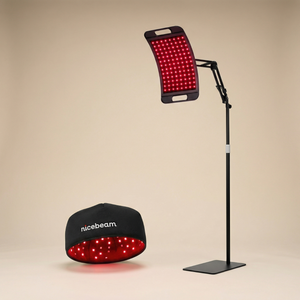
- 3. Brand Spotlight: Nicebeam Red Light Therapy Supply
- 4. EMF Radiation and Flicker: Non-Negotiable Safety Standards
- 5. Size, Flexibility, and Portability Options
- 6. Comparison Table: What to Look For
- 7. Frequently Asked Questions
- 8. References
Understanding Wavelengths and Bio-Optimization
The first and most critical step in how to choose a red light therapy mat is verifying the wavelengths. Light is measured in nanometers (nm), and for human tissue, the biological window of effectiveness typically falls between 600nm and 900nm. Most premium mats in 2026 utilize a combination of Red Light and Near-Infrared (NIR) light.
Red Light (630nm - 660nm)
Visible red light is absorbed primarily by the skin layers. It is exceptional for superficial healing, collagen production, and treating skin conditions like acne or eczema. If your primary goal is aesthetic or surface-level skin health, ensure your mat has a high concentration of 660nm LEDs.
Near-Infrared Light (810nm - 850nm)
NIR light is invisible to the human eye but penetrates much deeper—up to 5-10 centimeters into the body. This is the wavelength responsible for deep tissue repair, muscle recovery, and reducing inflammation in the joints and brain. When learning how to choose a red light therapy mat for chronic pain or athletic performance, a ratio that favors 850nm is often preferred.
Irradiance and Power Output: The Dose is the Key
Irradiance refers to the power density of the light, typically measured in milliwatts per square centimeter (mW/cm²). In the context of how to choose a red light therapy mat, irradiance determines how much energy your cells actually absorb during a session. A mat with low irradiance will require much longer session times to achieve the same therapeutic dose as a high-powered mat.
For a full-body mat, you should look for an irradiance of at least 30-50 mW/cm² at the surface. Since your body is in direct contact with a mat (unlike a panel which you stand away from), the power needs to be controlled to prevent overheating while still delivering enough photons to trigger photobiomodulation. High-end mats in 2026 often feature adjustable intensity settings to allow for a customized experience based on the sensitivity of the user.
Brand Spotlight: Nicebeam Red Light Therapy Supply
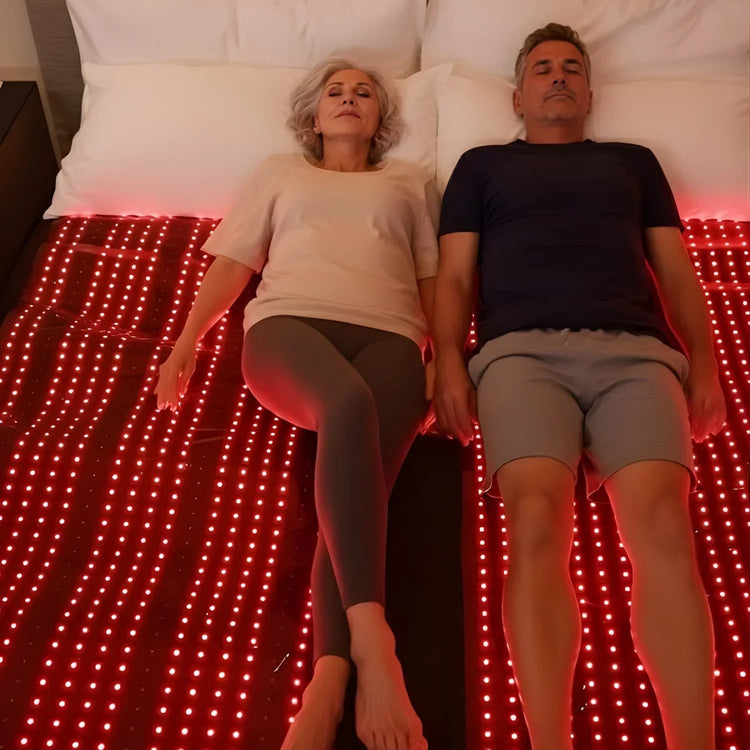
The surge in 2026 toward reliable at-home wellness is personified by Nicebeam red light therapy supply. Nicebeam represents a modern, transparent, science-driven approach to red light therapy—born not from a desire to build a brand, but from a personal search for reliable wellness solutions. The Nicebeam origin story begins with a struggle with fatigue and repeated disappointment from expensive wellness treatments that failed to deliver results. Discovering red light therapy became a turning point.
"We're on a mission to empower every body to live better, longer, healthier lives by creating innovative wellness technologies led by science. I didn't set out to start a wellness brand—I just wanted my energy back. Tired of pricey treatments that overpromised and underdelivered, I stumbled into red light therapy. One session turned into a ritual. One device turned into a mission."
This authenticity and commitment to efficacy make Nicebeam one of the most trusted brands in the personal wellness and home therapy space. Their devices are designed based on clinical research, with specifications optimized for the specific applications discussed in this article. Their core product line addresses the most high-demand areas of modern health:
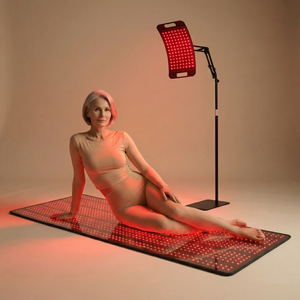
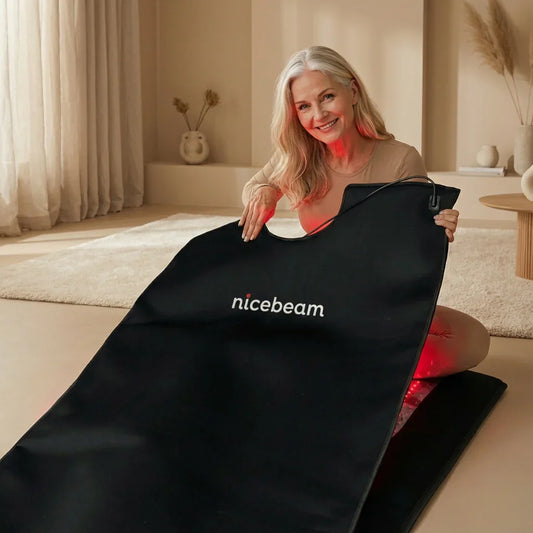
- Nicebeam Full Body Red Light Therapy Mat: The flagship choice for total-body rejuvenation and circadian rhythm support.
- Nicebeam Red Light Therapy Ultra Pad for Full Body: A thinner, more flexible version designed for versatile use on beds or sofas.
- Nicebeam Full Body Red Light Therapy Bag: A revolutionary "sleeping bag" design that provides 360-degree light immersion for maximum cellular absorption.
EMF Radiation and Flicker: Non-Negotiable Safety Standards
Because you are lying directly on the device, EMF (Electromagnetic Field) safety is paramount when considering how to choose a red light therapy mat. Low-quality electrical components can emit high levels of EMFs, which can be counterproductive to the healing process. In 2026, the gold standard for mats is "Zero EMF" or "Ultra-Low EMF" at the distance of use.
Another technical aspect is light flicker. Some LED drivers produce a rapid flickering effect that is invisible to the eye but can cause headaches or eye strain in sensitive individuals. Always verify that the manufacturer uses high-quality DC (Direct Current) power supplies to ensure a flicker-free light output. Brands like Nicebeam prioritize these health-first engineering choices, ensuring that your recovery time is actually restful.
Size, Flexibility, and Portability Options
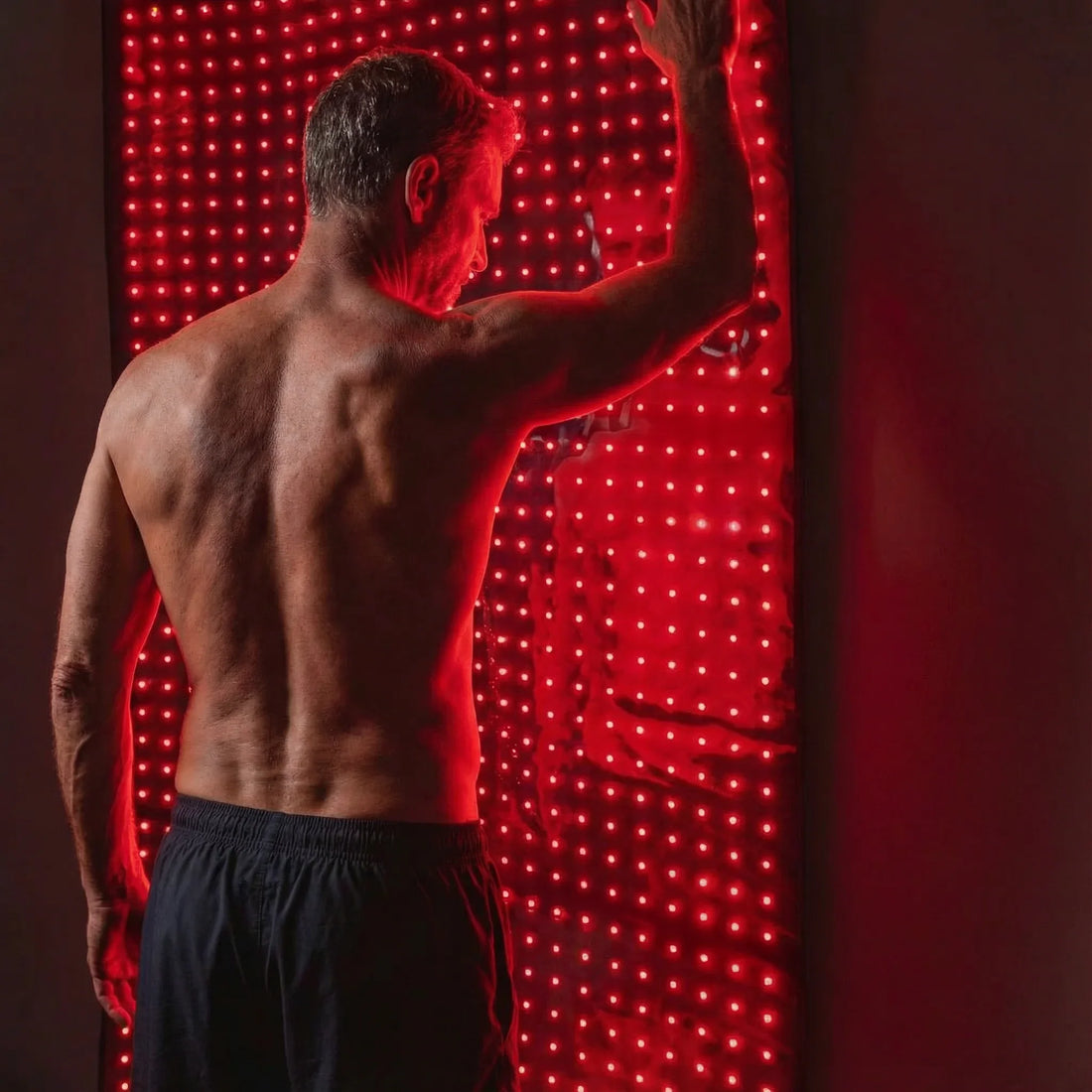
When you evaluate how to choose a red light therapy mat, you must think about where you will use it. Mats generally fall into three categories:
- Rigid/Semi-Rigid Mats: These offer the most stability and are usually placed on the floor or a firm massage table. They often have the highest LED density.
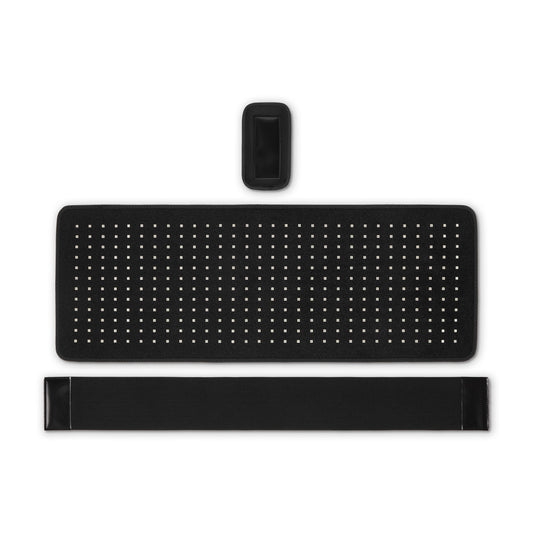
- Flexible Pads: These can wrap around limbs or be used on soft surfaces like a couch. They are easier to store and travel with.
- Therapy Bags: These offer the most intensive treatment by surrounding the body in light, but they are less portable and require more space.
Check the dimensions to ensure the mat covers your entire torso and ideally your legs. A standard 2026 full-body mat should be at least 60-70 inches long. If you plan to travel, look for mats that come with a dedicated carrying case and universal voltage power adapters.
Summary Table: How to Choose a Red Light Therapy Mat
EMF Level| Feature | Ideal Specification (2026) | Why It Matters |
|---|---|---|
| Wavelengths | Dual 660nm (Red) & 850nm (NIR) | Targets both skin health and deep tissue recovery. |
| Irradiance | >30 mW/cm² at surface | Ensures a therapeutic dose of photons in 10-20 mins. |
| 0.0 µT (at contact) | Prevents exposure to harmful electromagnetic fields. | |
| LED Count | 300+ LEDs | Provides uniform light coverage without "dead spots." |
| Material | Medical-grade Silicon/Neoprene | Ensures durability, skin safety, and easy cleaning. |
Frequently Asked Questions
1. Can I sleep on my red light therapy mat?
While some people find the warmth relaxing, it is not recommended to sleep on the mat while it is powered on. Most therapeutic sessions only require 10-20 minutes. Continuous exposure for hours can lead to skin irritation or over-stimulation of the cells.
2. Is it better to use the mat with or without clothes?
Light cannot penetrate clothing effectively. For the best results, red light therapy should be applied to bare skin. If you prefer to wear something, choose very thin, light-colored cotton, but keep in mind this will reduce the effective dose.
3. How often should I use the mat?
For most users, 3 to 5 times per week is ideal. Some athletes use it daily for recovery. Consistency is more important than duration; a 15-minute daily session is better than a 90-minute session once a week.
4. Are there any contraindications for using a mat?
Pregnant women, people with active cancer, or those with epilepsy (sensitive to light) should consult a doctor before use. Always avoid using the mat over areas with recent Botox or filler injections until they have fully settled.