







Does Red Light Therapy Really Work on Cellulite?
Millions of individuals seek effective, non-invasive solutions to smooth skin texture and eliminate stubborn dimpling. The cosmetic and wellness industries are saturated with topical creams, rigorous massage tools, and aggressive surgical interventions. Amidst these options, photobiomodulation—commonly known as red and near-infrared light therapy—has emerged as a highly sought-after treatment. But the defining question remains: does red light therapy really work on cellulite?

At Nicebeam, we prioritize evidence-based wellness and uncompromising technological standards. We transform your well-being with affordable, high-quality solutions for physical, emotional, and mental wellness. From our experience evaluating and optimizing clinical-grade home devices, treating cellulite requires a structural approach rather than a superficial one. Cellulite is not merely a fat issue; it is a connective tissue issue. By understanding the cellular mechanics of photobiomodulation, we can clearly answer whether does red light therapy really work on cellulite and how to deploy this technology for maximum efficacy.
Table of Contents
- 1. Understanding the Structural Causes of Cellulite
- 2. The Science: Does Red Light Therapy Really Work on Cellulite?
- 3. Collagen Production and Skin Elasticity
- 4. Enhanced Blood Circulation and Lymphatic Drainage
- 5. Fat Cell Emulsification (Lipolysis)
- 6. Choosing the Right Equipment for Cellulite Treatment
- 7. Summary Table: Traditional Treatments vs. Red Light Therapy
- 8. Frequently Asked Questions (FAQs)
- 9. Academic and Medical References
1. Understanding the Structural Causes of Cellulite
To determine if does red light therapy really work on cellulite, one must first comprehend what cellulite actually is. Cellulite occurs when subcutaneous fat lobules push upward through the fibrous connective tissue bands (septae) that tether the skin to the underlying muscle. When these septae become rigid or lose elasticity, and the fat cells expand, the skin surface takes on a dimpled, uneven appearance.
This structural phenomenon is heavily influenced by genetics, hormones, poor lymphatic drainage, and thinning skin. Because cellulite originates beneath the dermis, topical creams and superficial scrubs are structurally incapable of resolving the issue. A solution must penetrate the dermal and subcutaneous layers to remodel the connective tissue and manage the adipose (fat) layer. This is precisely where targeted wavelengths of light enter the therapeutic equation.
2. The Science: Does Red Light Therapy Really Work on Cellulite?

The short answer is yes, but it requires specific wavelengths, adequate irradiance, and strict consistency. When patients ask us, does red light therapy really work on cellulite, we point directly to the mechanism of photobiomodulation. Red light (typically between 630nm and 660nm) and near-infrared light (typically between 810nm and 850nm) penetrate the skin at varying depths. These photons are absorbed by the mitochondria within the cells, specifically by the enzyme cytochrome c oxidase.
This absorption triggers a cascade of cellular events, resulting in a surge of adenosine triphosphate (ATP) production. Increased ATP equips the cells with the energy necessary to repair, regenerate, and function at optimal capacity. When evaluating if does red light therapy really work on cellulite, we must observe how this cellular energy surge affects the three primary components of cellulite: skin thickness, circulation, and fat cell volume.
3. Collagen Production and Skin Elasticity
The most profound impact of red light therapy on cellulite is its ability to stimulate fibroblasts. Fibroblasts are the specialized cells responsible for synthesizing collagen and elastin. As we age, collagen production decelerates, causing the skin to thin and lose its structural integrity. Thin skin allows the underlying fat lobules to protrude more visibly, exacerbating the appearance of cellulite.
From our experience, deploying clinical-grade devices dramatically increases collagen density. By thickening the dermis and restoring elasticity to the fibrous septae, the skin acts as a stronger, smoother barrier against the underlying fat. This structural remodeling is a primary reason why researchers answering the question "does red light therapy really work on cellulite" conclude with highly positive clinical outcomes.
4. Enhanced Blood Circulation and Lymphatic Drainage
Poor circulation and sluggish lymphatic drainage contribute significantly to cellulite formation. Toxins and excess interstitial fluid accumulate in the subcutaneous tissue, causing swelling that further stretches the connective bands and pushes fat outward.
Red and near-infrared light therapy promotes angiogenesis (the formation of new capillaries) and induces vasodilation (the widening of blood vessels). This enhanced microcirculation flushes out stagnant lymphatic fluid and reduces localized tissue edema. We recommend pairing photobiomodulation with mechanical stimulation, such as dry brushing or vibration therapy, to accelerate this lymphatic clearance.
5. Fat Cell Emulsification (Lipolysis)
Another critical mechanism proving that does red light therapy really work on cellulite is its effect on adipocytes (fat cells). Specific wavelengths of red light have been clinically shown to create temporary pores in the membrane of fat cells. This process, known as lipolysis, allows intracellular lipids (fatty acids) to leak out into the interstitial space, where they are subsequently processed and eliminated by the body's lymphatic system.
When fat cells shrink in volume, there is less upward pressure against the skin, directly reducing the dimpled appearance. This requires deep tissue penetration, which is why we highly recommend utilizing near-infrared wavelengths for fat targeting. For a detailed breakdown of devices engineered for deep penetration, consult our Near infrared light therapy devices guide.
6. Choosing the Right Equipment for Cellulite Treatment

The efficacy of your treatment is entirely dependent on the quality of your equipment. A low-powered novelty light will not yield results. To ensure that does red light therapy really work on cellulite for your specific case, you must select devices with high irradiance (measured in mW/cm²) and accurate wavelength calibration.
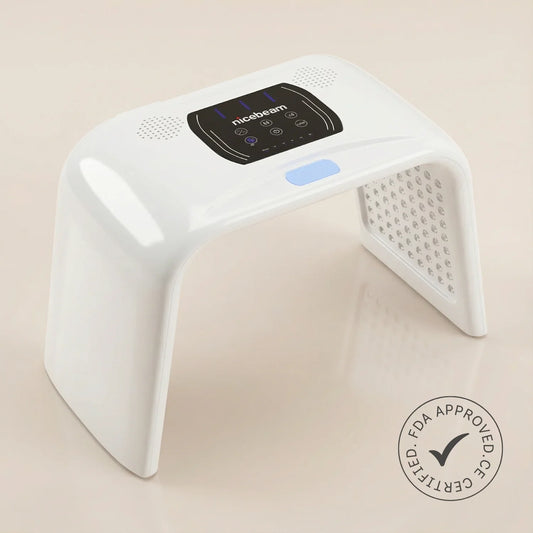
At Nicebeam, we meticulously evaluate the market to provide authoritative recommendations. For safety and verified performance, we advise reviewing the FDA approved red light therapy devices list. If your goal is to treat localized cellulite on the thighs or buttocks with precision, you will benefit from reading about the Medical grade red light therapy devices available for home use.
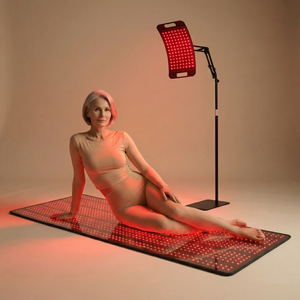
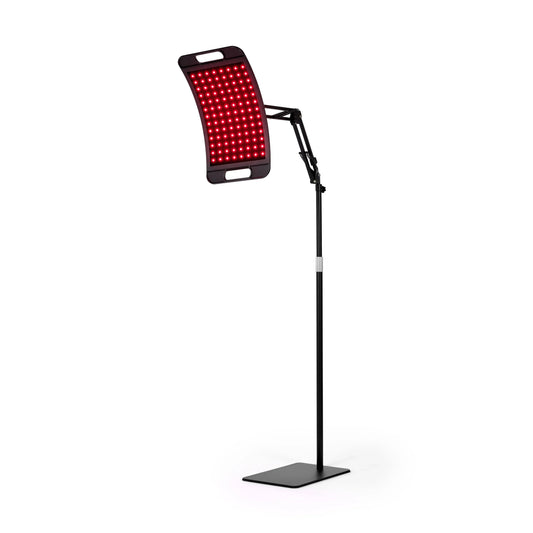
For those seeking comprehensive full-body skin rejuvenation alongside cellulite reduction, investing in a larger panel is the most efficient strategy. Discover the top-tier options in our comprehensive guide on the Best red light therapy for full body. Furthermore, you can explore versatile, highly-rated systems in our Best red light therapy devices 2026 roundup, or find travel-friendly options in the Best portable red light therapy devices compilation. Finally, for a broad overview of residential solutions, our Best at-home red light therapy devices guide offers exceptional value.
7. Summary Table: Traditional Treatments vs. Red Light Therapy
| Treatment Modality | Mechanism of Action | Depth of Penetration | Efficacy for Cellulite |
|---|---|---|---|
| Topical Creams | Skin hydration and temporary plumping. | Superficial (Epidermis). | Low. Cannot alter connective tissue or fat cells. |
| Deep Tissue Massage | Mechanical disruption of fluid and temporary smoothing. | Moderate (Dermis and Subcutaneous). | Moderate. Requires continuous application for transient results. |
| Red Light Therapy (660nm/850nm) | Collagen synthesis, vasodilation, and fat cell lipolysis. | Deep (Subcutaneous tissue and muscle). | High. Addresses both connective tissue rigidity and fat volume. |
| Surgical Subcision | Severing the fibrous septae manually. | Deep (Subcutaneous). | High. Invasive with associated recovery time and scarring risks. |
8. Frequently Asked Questions (FAQs)
9. Academic and Medical References
The protocols and physiological mechanisms discussed in this article are supported by extensive clinical research. We encourage readers to consult the following peer-reviewed studies regarding photobiomodulation and adipose tissue manipulation:
- Avci, P., et al. (2013). Low-level laser (light) therapy (LLLT) in skin: stimulating, healing, restoring. Seminars in Cutaneous Medicine and Surgery.
- Jackson, R. F., et al. (2009). Low-level laser therapy as a non-invasive approach for body contouring: a randomized, controlled study. Lasers in Surgery and Medicine.
- Neira, R., et al. (2002). Fat liquefaction: effect of low-level laser energy on adipose tissue. Plastic and Reconstructive Surgery.