






Does Red Light Really Help With Weight Loss?
In the rapidly evolving landscape of wellness technology, one question dominates the conversation among health enthusiasts and professionals alike: does red light really help with weight loss? At Nicebeam, we have dedicated our careers to engineering innovative wellness technologies led by science. We are on a mission to empower every body to live better, longer, and healthier lives. Through our extensive research and development, we have meticulously analyzed the biological mechanics behind photobiomodulation.

From our experience, the intersection of light therapy and metabolic health is widely misunderstood. Many consumers view therapeutic light as a magic eraser for body fat, while skeptics dismiss it entirely as pseudoscience. The truth, supported by rigorous clinical studies and our own empirical observations, lies in the nuanced physiological responses that specific wavelengths trigger within the human body. In this comprehensive guide, we will answer the question of does red light really help with weight loss by exploring the cellular mechanisms, practical applications, and the exact protocols we recommend for integrating light therapy into a holistic health regimen.
Table of Contents
- The Cellular Mechanics: How Photobiomodulation Impacts Adipocytes
- Addressing the Core Question: Does Red Light Really Help With Weight Loss?
- Summary Table: Red Light Therapy vs. Traditional Weight Loss Methods
- Targeted Solutions: Selecting the Right Nicebeam Equipment
- The Synergy of Recovery and Metabolism
- Managing Expectations: What Light Therapy Cannot Do
- Our Professional Recommendations for Optimal Results
- Frequently Asked Questions (FAQs)
- Academic and Clinical References
The Cellular Mechanics: How Photobiomodulation Impacts Adipocytes
To understand whether does red light really help with weight loss, we must first examine the biology of photobiomodulation. When the human body is exposed to specific therapeutic wavelengths ranging primarily from 660 nanometers to 850 nanometers, these photons penetrate the dermal layers and interact directly with the mitochondria inside our cells. The mitochondria contain a photoreceptor enzyme known as cytochrome c oxidase. When stimulated by these precise light wavelengths, this enzyme accelerates the production of adenosine triphosphate, commonly known as cellular energy.
When analyzing fat cells, scientifically referred to as adipocytes, this influx of energy creates a fascinating biological reaction. Clinical research indicates that red light therapy can induce the formation of temporary, microscopic pores within the lipid membrane of the fat cell. Through these temporary pores, intracellular lipids—the fatty acids stored within the cell—are released into the interstitial space outside the cell. Once liberated, these fatty acids are processed by the body's lymphatic system and subsequently eliminated as waste or burned as energy. Therefore, the mechanism is not melting the fat away, but rather instructing the cell to empty its contents, resulting in a reduction of the physical volume of the fat cells.
Addressing the Core Question: Does Red Light Really Help With Weight Loss?
So, does red light really help with weight loss? Yes, but with vital professional caveats. From our clinical observations at Nicebeam, we classify red light therapy as a powerful body contouring and metabolic support tool rather than a standalone weight loss cure. If a patient utilizes light therapy but continues to consume a hypercaloric diet while living a sedentary lifestyle, the liberated fatty acids will simply be reabsorbed and stored by other cells. The technology facilitates the release of fat; it is the responsibility of the individual's metabolism and lifestyle choices to oxidize and permanently eliminate that fat.
However, when combined with a caloric deficit and cardiovascular exercise, the answer to does red light really help with weight loss becomes a resounding affirmative. It accelerates the body's natural ability to tap into stubborn fat reserves. Furthermore, light therapy has been shown to positively influence adiponectin, a hormone involved in regulating glucose levels and fatty acid breakdown. By optimizing cellular health across the entire body, you create a physiological environment that is highly conducive to fat loss and muscle retention.
Summary Table: Red Light Therapy vs. Traditional Weight Loss Methods
To provide clear context, we have compiled a summary table comparing targeted photobiomodulation against other common methods of fat reduction.
| Methodology | Primary Mechanism of Action | Invasiveness | Cellular Health Benefits | Sustainability |
|---|---|---|---|---|
| Red Light Therapy | Creates temporary pores in fat cells, allowing lipids to drain into the lymphatic system. | Completely Non-Invasive | Exceptionally High (Boosts ATP, reduces inflammation) | High (When paired with lifestyle changes) |
| Caloric Deficit Diet | Forces the body to utilize stored fat for systemic energy requirements. | Non-Invasive | Moderate (Depends on nutritional density) | Moderate (Requires strict long-term discipline) |
| Liposuction | Physical, surgical extraction of adipose tissue from targeted areas. | Highly Invasive | None (Traumatic to surrounding tissues) | Low to Moderate (Remaining fat cells can expand) |
| Cryolipolysis (Fat Freezing) | Induces cell death in adipocytes through localized freezing temperatures. | Minimally Invasive | None | Moderate (Results take months to finalize) |
Targeted Solutions: Selecting the Right Nicebeam Equipment

Transforming your well-being with Nicebeam home solutions requires matching the correct device to your specific wellness goals. Because localized fat reduction is highly sought after, selecting a device that delivers optimal irradiance directly to the stubborn area is crucial.
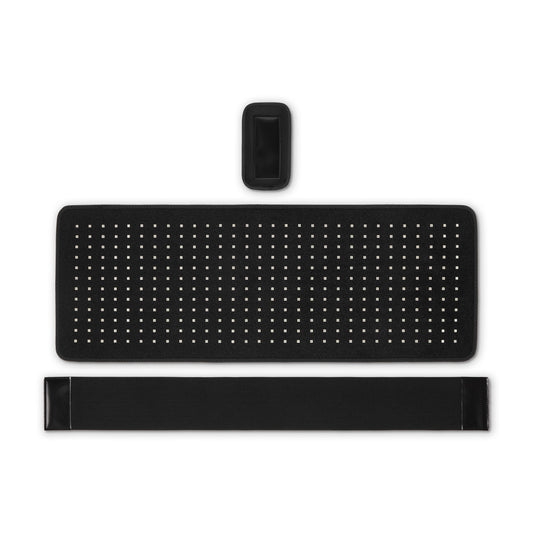
If your primary goal is reducing abdominal circumference, we recommend the red light therapy belt. This device straps directly to the waistline, ensuring zero light dissipation and maximum penetration into the visceral and subcutaneous fat layers of the midsection. For those looking to target the thighs or glutes, the flexible red light therapy pad provides contouring coverage that flat panels cannot achieve.
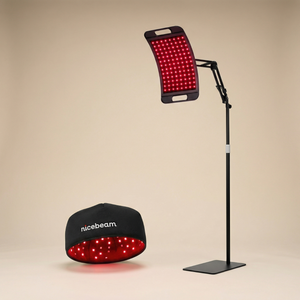
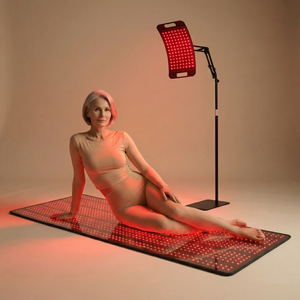
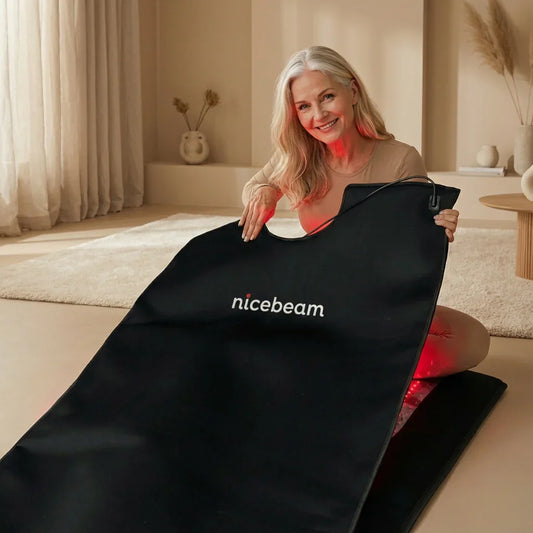
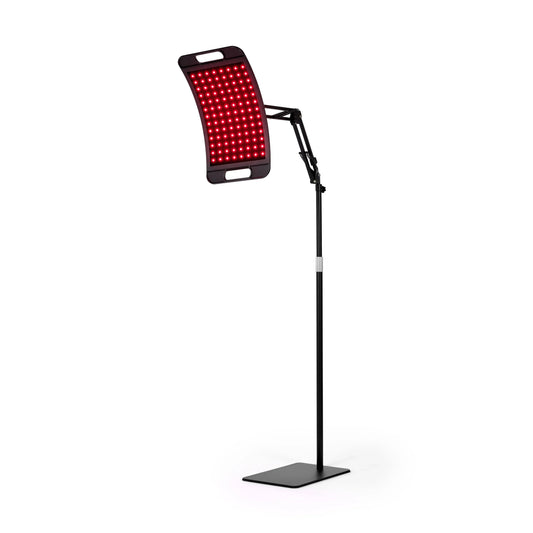
For individuals seeking systemic metabolic support rather than just localized contouring, full-body exposure is necessary. We highly suggest integrating the red light therapy mat or the immersive full body red light therapy bag into your daily routine. By bathing the entire body in therapeutic wavelengths, you optimize cellular function globally, reduce systemic inflammation, and improve sleep architecture, all of which are foundational pillars for successful weight management. Additionally, if you prefer vertical, room-scale setups, exploring our red light therapy panels for home will provide clinical-grade power output in a convenient form factor.
The Synergy of Recovery and Metabolism
One of the most overlooked aspects of the debate regarding does red light really help with weight loss is the profound connection between physical recovery and metabolic rate. When you engage in heavy resistance training or intense cardiovascular workouts—the primary drivers of caloric expenditure—you create micro-tears in muscle tissue and elevate inflammatory markers. If recovery is poor, cortisol levels spike, which aggressively signals the body to store abdominal fat.
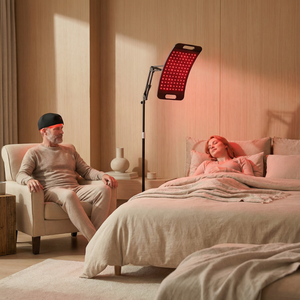
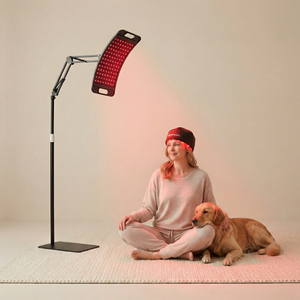
By utilizing red light therapy for recovery, you drastically accelerate the healing of muscle tissue and lower cortisol levels. Furthermore, many of our clients utilize red light therapy devices for pain relief to alleviate joint stiffness, allowing them to exercise more consistently. Better recovery leads to better workouts, which leads to increased muscle mass, which fundamentally permanently raises your resting metabolic rate. Additionally, using a targeted red light therapy lamp before bed supports circadian rhythm regulation, ensuring the deep sleep required for optimal hormonal balance and weight management.
Managing Expectations: What Light Therapy Cannot Do
As industry experts, transparency is our core value. While we confidently answer yes to does red light really help with weight loss, we must manage expectations. Light therapy cannot outwork a poor diet. It cannot compensate for chronic sleep deprivation. It is not a substitute for cardiovascular health. The individuals who experience the most dramatic transformations are those who view photobiomodulation as a powerful metabolic amplifier rather than a standalone cure. The cellular leakage of lipids is temporary; if you do not mobilize and burn those lipids through activity or a caloric deficit, your body will safely store them again.
Our Professional Recommendations for Optimal Results
From our experience engineering and testing these devices, we recommend a highly structured protocol to maximize the lipid-releasing effects of photobiomodulation.
- Timing is Everything: We recommend using your Nicebeam device immediately before cardiovascular exercise. This ensures that the lipids liberated from the fat cells are immediately oxidized as fuel during your workout.
- Consistency is Key: Cellular changes require sustained stimulus. We advise 15 to 20-minute sessions, at least three to five times per week.
- Hydration: Because the lymphatic system is responsible for clearing out the released fatty acids, robust hydration is non-negotiable. Drink at least 16 ounces of water before and after your session.
- Direct Skin Contact: For maximum penetration, the light must hit bare skin. Clothing, even thin fabrics, will deflect the therapeutic wavelengths.
Frequently Asked Questions (FAQs)
From our clinical observations, users who combine targeted red light therapy with a caloric deficit and exercise typically notice changes in body circumference and skin tone within 4 to 6 weeks. Systemic weight loss on the scale relies entirely on your accompanying dietary habits.
While the light will still stimulate the mitochondria and cause fat cells to release lipids, without exercise or a caloric deficit, those lipids will likely be reabsorbed by the body. To achieve actual weight loss, the released energy must be utilized.
Red light therapy is completely non-invasive, painless, and does not emit harmful UV rays. It is considered highly safe for daily use. Some users may experience a mild, pleasant warming sensation during treatment due to increased localized blood flow.
We highly recommend the Nicebeam Red Light Therapy Belt for abdominal concerns. Its form factor allows it to wrap snugly around the waist, delivering maximum irradiance directly to the visceral and subcutaneous fat layers without any light loss.
Academic and Clinical References
To further validate the mechanisms discussed in this article regarding how does red light really help with weight loss, we recommend reviewing the following clinical and academic sources on photobiomodulation and cellular metabolism.