




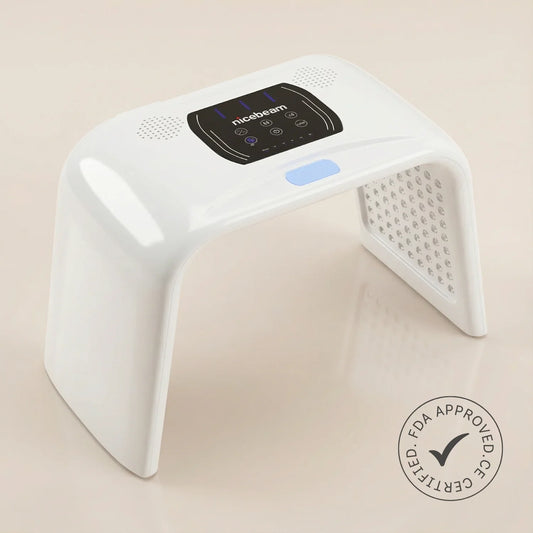


Best Red Light Therapy Panels: Top Picks for Every Budget
Table Of Contents
- What to Look for in a Red Light Therapy Panel
- Best Budget-Friendly Red Light Therapy Panels
- Best Mid-Range Red Light Therapy Panels
- Best Premium Red Light Therapy Panels
- Best Specialized Red Light Therapy Devices
- How to Use Red Light Therapy Panels Effectively
- Frequently Asked Questions
Red light therapy has transformed from an exclusive spa treatment into an accessible at-home wellness solution. Whether you're seeking relief from chronic pain, faster muscle recovery, rejuvenated skin, or enhanced cellular energy, the right red light therapy panel can deliver professional-grade results in the comfort of your home.
The challenge? The market is flooded with options spanning from $100 portable devices to $3,000+ full-body panels. Not all devices are created equal, and choosing the wrong one can mean wasting money on ineffective treatment or overpaying for features you don't need.
This comprehensive guide cuts through the marketing noise to help you find the best red light therapy panel for your specific needs and budget. We'll explore what makes a quality device, compare top options across all price ranges, and share expert insights to maximize your investment in this scientifically-backed wellness technology.
What to Look for in a Red Light Therapy Panel
Before investing in a red light therapy device, understanding the key specifications will help you separate effective panels from overpriced gimmicks. The science behind red light therapy is solid, but the quality varies dramatically between manufacturers.
Wavelength: The Foundation of Effectiveness
The therapeutic benefits of red light therapy depend entirely on using the right wavelengths. Research consistently shows that 660nm red light and 850nm near-infrared light penetrate tissues at optimal depths for cellular benefits. Red light at 660nm reaches the skin surface and underlying tissues, making it ideal for collagen production, wound healing, and skin rejuvenation. Near-infrared at 850nm penetrates deeper into muscles, joints, and organs, targeting inflammation, pain relief, and cellular energy production.
Many budget devices use LEDs outside these therapeutic ranges or fail to specify their exact wavelengths. Look for panels that clearly state they use 660nm and 850nm LEDs, ideally offering both wavelengths simultaneously or the option to use them separately. Some manufacturers offer additional wavelengths, but the 660/850nm combination remains the gold standard backed by the most clinical research.
Irradiance: Power Matters
Irradiance measures the power output at a specific distance, typically expressed in mW/cm². This specification determines how quickly you'll see results and how far you can stand from the panel while maintaining therapeutic benefits. Clinical studies generally use irradiance levels between 20-200 mW/cm², with higher outputs allowing for shorter treatment sessions or greater treatment distance.
A quality panel should deliver at least 50 mW/cm² at 6 inches and maintain therapeutic levels (above 10 mW/cm²) at 18-24 inches. Be cautious of manufacturers who only list irradiance at the LED surface, which isn't useful for real-world use. The standard measurement distance is 6 inches, allowing for consistent comparisons between devices.
Treatment Area and Panel Size
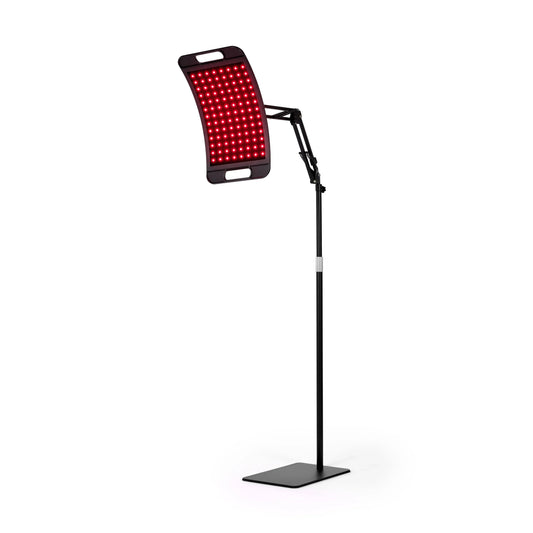
Consider what body areas you'll treat most frequently. Smaller panels (6" x 12" or similar) work well for targeted treatment of joints, facial areas, or specific muscle groups, but require longer sessions for full-body coverage. Mid-size panels (12" x 24") offer a practical balance for most users, covering larger areas like the back, chest, or multiple body parts simultaneously. Full-body panels (24" x 36" or larger) provide comprehensive coverage in shorter sessions but come with higher price tags and space requirements.
Essential Features and Safety Considerations
Beyond the core specifications, several features separate quality devices from the rest. EMF emissions should be low (under 5 mG at 6 inches) to minimize electromagnetic field exposure during regular use. Flicker-free operation prevents the subtle LED pulsing that can cause eye strain or headaches during extended sessions. Look for devices with built-in timers, adjustable stands or hanging options, and cooling systems (typically fans) to prevent LED degradation.
Safety certifications matter as well. FDA registration indicates the device meets basic safety standards for home use, though it doesn't verify therapeutic claims. Quality manufacturers also offer warranties (at least 1-2 years) and responsive customer support, reflecting confidence in their product's durability and performance.
Best Budget-Friendly Red Light Therapy Panels
Quality red light therapy doesn't require a massive investment. Several manufacturers now offer effective entry-level panels under $300 that deliver genuine therapeutic benefits. While these devices typically have smaller treatment areas and fewer premium features, they provide an excellent introduction to red light therapy for first-time users or those targeting specific body areas.
Nicebeam Portable Red Light Therapy Devices
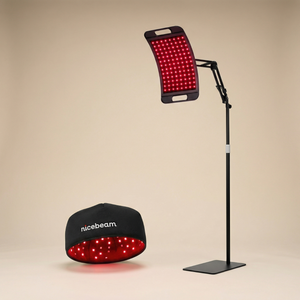
For those seeking portable, affordable options, Nicebeam's portable red light therapy collection offers FDA-registered devices with the clinically-proven 660nm/850nm dual-wavelength combination. These compact panels deliver professional-grade therapy at prices that make red light accessible to everyone. The portability factor means you can treat different body areas with ease or take your device when traveling, maintaining your wellness routine anywhere.
The value proposition extends beyond price. Nicebeam backs their portable devices with a 60-day return policy, allowing you to test the benefits risk-free, plus a 12-month warranty for peace of mind. Low EMF emissions and flicker-free operation ensure comfortable daily use without the concerns associated with some budget alternatives.
What to Expect at This Price Point
Budget-friendly panels typically offer smaller treatment areas, requiring you to treat different body sections separately. This means longer overall treatment times compared to full-body panels, but the therapeutic effects remain equally valid. Most devices in this range provide 10-15 minute treatment times at 6-12 inches distance, which fits easily into morning or evening routines.
You might sacrifice some convenience features like digital displays, multiple wavelength modes, or sophisticated mounting systems. However, the core technology remains identical to premium options. The LEDs use the same therapeutic wavelengths, and irradiance levels meet clinical standards. The main differences lie in treatment coverage speed and build quality rather than effectiveness.
Best Mid-Range Red Light Therapy Panels
The $400-$800 range represents the sweet spot for most users, balancing treatment area, power output, and premium features without the steep price of professional-grade systems. These panels typically measure 12" x 24" or similar, providing enough coverage to treat major body areas like the full back, torso, or multiple limbs simultaneously.
Nicebeam Flexible Red Light Therapy Mats
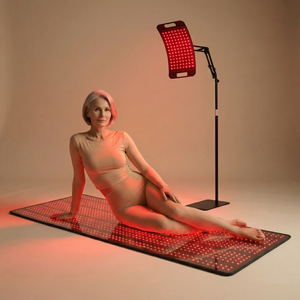
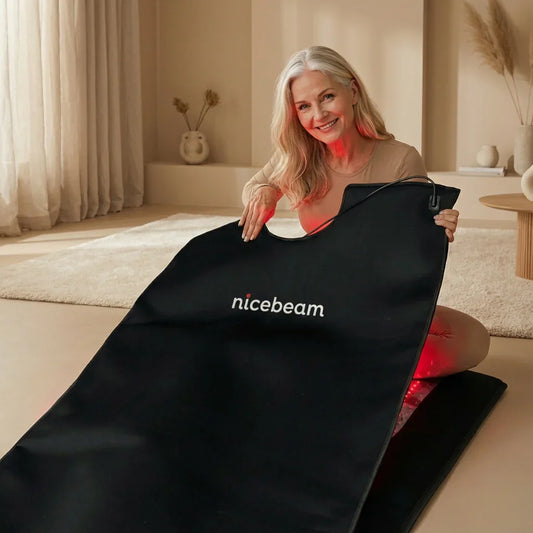
An innovative approach to mid-range red light therapy comes from Nicebeam's flexible red light therapy collection. Unlike rigid panels, these flexible mats and pads conform to your body, maintaining optimal distance and coverage across curved surfaces. This design advantage means more consistent irradiance across treatment areas and the ability to target hard-to-reach spots like the back, shoulders, or wrapped around limbs.
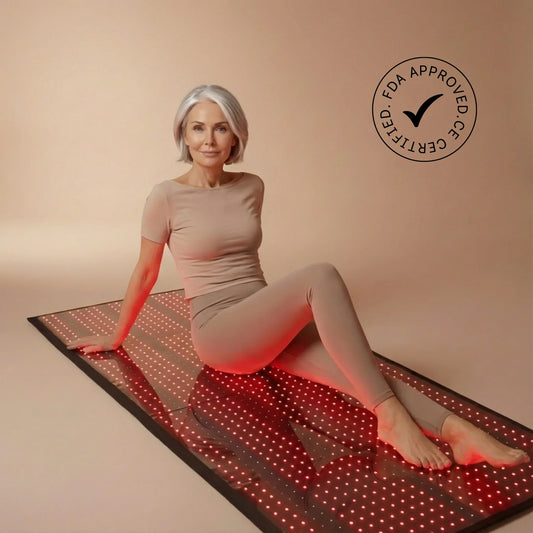
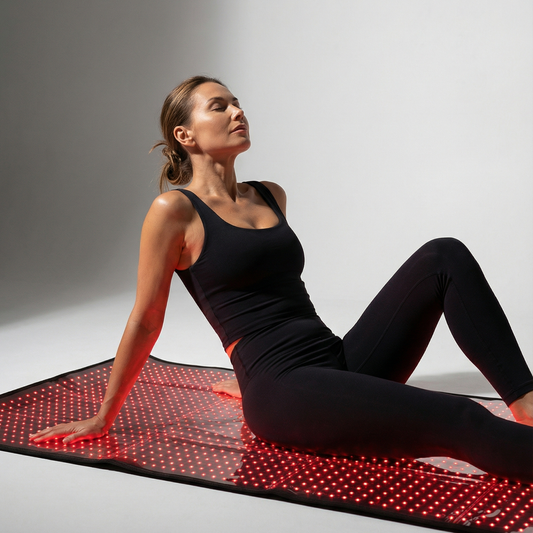
The flexibility factor doesn't compromise power. These devices deliver the same 660nm/850nm dual-wavelength therapy as traditional panels, with the added benefit of full-body coverage without requiring multiple device positions. For athletes, chronic pain sufferers, or anyone seeking comprehensive treatment, the flexible format offers unique advantages over rigid panels at comparable prices.
Mid-Range Panel Advantages
Devices in this category typically feature higher LED counts (100-300 LEDs), resulting in better irradiance uniformity and more powerful output. This translates to shorter treatment times (8-12 minutes) while maintaining therapeutic effectiveness. Many mid-range panels include separate red and near-infrared modes, allowing you to customize treatments for skin-focused therapy versus deep tissue applications.
Build quality noticeably improves at this price point. Expect better cooling systems for LED longevity, sturdier mounting hardware, and more intuitive controls. Warranty periods often extend to 2-3 years, reflecting the manufacturer's confidence in component durability. The investment premium compared to budget options pays dividends through faster treatments, larger coverage, and extended device lifespan.
Best Premium Red Light Therapy Panels
Premium panels ($900+) cater to serious wellness enthusiasts, biohackers, athletes, and those treating chronic conditions who want the most comprehensive and powerful systems available. These full-body panels measure 24" x 36" or larger, enabling complete torso coverage or simultaneous treatment of multiple body areas.
Full-Body Panel Benefits
The primary advantage of premium panels lies in treatment efficiency. A single 10-12 minute session can deliver therapeutic light to your entire torso, both legs, or complete back simultaneously. For busy professionals or those managing systemic conditions like fibromyalgia or arthritis, this time savings adds up significantly over weeks and months of regular use.
Power output at this tier often reaches 100+ mW/cm² at 6 inches, with therapeutic levels maintained at 24-36 inches distance. This means you can treat larger areas effectively or position yourself farther from the panel for more comfortable sessions. The higher irradiance also penetrates deeper, potentially offering greater benefits for joint and deep tissue conditions.
Premium Features Worth Considering
Top-tier panels frequently include modular designs, allowing you to connect multiple units for even greater coverage or split them for targeted treatment. Advanced control systems offer precise wavelength selection, programmable treatment protocols, and smartphone connectivity for tracking sessions. Some premium devices incorporate pulsing modes at specific frequencies, though the clinical evidence for pulsing benefits remains mixed compared to continuous wave therapy.
Build quality reaches commercial-grade standards, with metal housings, professional-grade LEDs rated for 50,000+ hours, and sophisticated thermal management. Many premium manufacturers offer 3-5 year warranties and white-glove customer service, treating their devices as long-term wellness investments rather than consumer products.
Best Specialized Red Light Therapy Devices
Beyond traditional panels, specialized red light devices target specific applications where focused treatment or unique form factors provide advantages over standard panels.
Facial and Skincare Devices
Red light therapy has gained significant traction in the skincare world, with studies showing improvements in fine lines, wrinkles, skin texture, and complexion. Nicebeam's facial and skincare red light therapy collection includes LED masks and handheld wands specifically designed for facial treatment. These devices optimize the red light wavelength (660nm) for collagen stimulation while delivering appropriate irradiance for delicate facial skin.
Facial devices typically require shorter treatment times (10-15 minutes) and should be used 3-5 times weekly for best results. The hands-free mask format allows multitasking during treatment, while wands offer precise targeting for specific concerns like crow's feet or forehead lines. Clinical evidence supports noticeable improvements after 8-12 weeks of consistent use.
Wearable Red Light Therapy
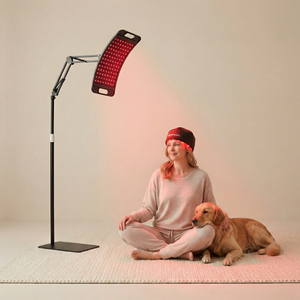
For targeted pain relief and recovery on the go, Nicebeam's wearable red light therapy devices bring therapeutic light to specific body areas with secure, comfortable designs. Therapy belts wrap around the lower back, abdomen, or waist for core and spine treatment. Knee pads deliver direct therapy to one of the body's most commonly injured joints. Specialized caps target scalp health and hair follicles, while armbands treat elbow pain, forearm injuries, or support arm recovery.
The wearable format means you can maintain treatment consistency while working, relaxing, or performing light activities. This dramatically increases compliance since you're not confined to standing or sitting in front of a panel. The secure fit maintains optimal LED-to-skin distance throughout the session, ensuring consistent therapeutic delivery.
Choosing Between Panel and Specialized Devices
If you're addressing a single chronic condition (knee arthritis, lower back pain, facial aging), a specialized device often provides better value and convenience than a general panel. The targeted design optimizes treatment for that specific application. However, if you're interested in systemic benefits, multiple treatment areas, or overall wellness support, a panel offers more versatility despite requiring more intentional treatment time.
Many users ultimately build a red light therapy toolkit, combining a mid-range panel for full-body sessions with specialized devices for high-priority areas requiring daily attention. This approach maximizes both convenience and therapeutic coverage.
How to Use Red Light Therapy Panels Effectively
Owning a quality device is only half the equation. Proper usage technique and consistency determine whether you'll experience the documented benefits of red light therapy or join the skeptics who claim it doesn't work.
Optimal Distance and Treatment Time
Position yourself 6-12 inches from the panel for most applications. Closer distances deliver higher irradiance and shorter session times but cover smaller areas. Standing 12-18 inches away extends coverage while maintaining therapeutic power, though sessions may need to run slightly longer. The manufacturer's specifications should guide your starting point, with adjustments based on your response and goals.
Treatment duration varies by device power and application. Most quality panels require 10-20 minutes per area. Start conservatively (5-10 minutes) for the first week, allowing your body to acclimate, then gradually increase to the recommended duration. Skin should feel gently warm but never hot or uncomfortable. If you experience any irritation or excessive warmth, increase your distance or reduce session length.
Frequency and Consistency
Daily sessions produce the best results for most applications, particularly skin rejuvenation, pain management, and recovery enhancement. Your cells respond to the consistent light stimulus by optimizing mitochondrial function, and this adaptation requires regular exposure. Think of red light therapy like exercise or nutrition—sporadic use yields limited benefits compared to steady, ongoing application.
That said, even 3-4 sessions weekly can deliver meaningful results if daily use isn't practical. The key is consistency over time. Most users report noticeable improvements after 4-8 weeks of regular use, with continued enhancement through 12+ weeks. Some benefits like improved sleep or reduced muscle soreness may appear within days, while structural changes like collagen remodeling or hair growth require months of consistent treatment.
Maximizing Your Results
Expose bare skin directly to the light when possible. Clothing blocks therapeutic wavelengths, though very thin fabrics may allow some penetration. Remove makeup before facial treatments, and avoid applying products immediately before sessions, as some ingredients might interfere with light absorption or cause photosensitivity.
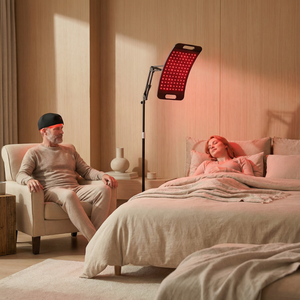
Consider timing your sessions strategically. Many users prefer morning treatment to leverage the energy and mood-enhancing effects throughout the day. Evening sessions may promote relaxation and improve sleep quality. Athletes often split their usage, with pre-workout sessions for activation and post-workout treatments for recovery.
Hydration supports the cellular processes that red light therapy enhances. Maintain good water intake before and after sessions. While red light therapy itself doesn't dehydrate you, the cellular activity it promotes benefits from adequate hydration.
Safety Considerations
Red light therapy is remarkably safe when devices are used as directed. The wavelengths used don't contain harmful UV radiation, and the energy levels don't cause tissue damage. However, protect your eyes during treatment—either close them, look away from the panel, or wear the protective eyewear if provided. While the light isn't dangerous to eyes, prolonged direct viewing can cause temporary discomfort.
Certain medications increase photosensitivity. If you're taking antibiotics, antifungals, or other drugs that cause light sensitivity, consult your healthcare provider before beginning red light therapy. Pregnant women should discuss usage with their obstetrician, though there's no evidence of harm from the wavelengths used in these devices.
Frequently Asked Questions
How long does it take to see results from red light therapy?
Results timeline varies by application and individual biology. Some users report better sleep or reduced muscle soreness within days of starting consistent treatment. Skin improvements like reduced fine lines or enhanced complexion typically emerge after 4-8 weeks of regular use. Deeper structural changes (hair growth, significant collagen remodeling, chronic pain reduction) may require 8-12 weeks or longer. Consistency matters more than intensity—regular, daily sessions produce better outcomes than sporadic, longer treatments.
Can I use red light therapy too much?
While red light therapy is extremely safe, excessive use doesn't accelerate benefits and may cause mild side effects like temporary skin sensitivity or fatigue. Stick to recommended session durations (typically 10-20 minutes per area) and frequencies (daily or several times weekly). Your cells can only process so much light energy at once, and excess exposure beyond therapeutic thresholds provides no additional benefit. More is not better—consistency and appropriate dosage are what matter.
Do I need both red and near-infrared wavelengths?
For comprehensive benefits, yes. Red light (660nm) excels at surface-level improvements including skin health, wound healing, and superficial tissue repair. Near-infrared (850nm) penetrates deeper to reach muscles, joints, and organs, making it superior for pain relief, deep tissue recovery, and systemic cellular support. Devices offering both wavelengths provide the widest range of therapeutic applications. Some conditions respond better to specific wavelengths, but most users benefit from the combination approach.
Will red light therapy work through clothing?
Clothing significantly reduces therapeutic light penetration, blocking most wavelengths before they reach your skin. For best results, expose bare skin directly to the light. Very thin, light-colored fabrics may allow minimal penetration but substantially reduce effectiveness. If modesty or comfort requires covering certain areas during full-body treatment, understand that those covered regions receive limited to no therapeutic benefit.
How do I know if a red light therapy device is legitimate?
Verify several key factors. The manufacturer should clearly specify wavelengths (660nm and 850nm for therapeutic use), provide irradiance measurements at defined distances (at least at 6 inches), and offer FDA registration or equivalent safety certification. Legitimate companies provide detailed specifications, warranty coverage, and responsive customer support. Be skeptical of devices making extreme claims, lacking specific technical details, or priced far below market averages for their size category. The adage holds true—if it seems too good to be true, it probably is.
Red light therapy represents one of the most accessible and evidence-backed wellness technologies available for home use. Whether you're investing in your first budget-friendly portable device or upgrading to a premium full-body panel, the key to success lies in choosing quality equipment matched to your specific needs and using it consistently.
The devices highlighted across all price ranges share the essential characteristics that make red light therapy effective: therapeutic wavelengths (660nm and 850nm), adequate irradiance, and quality construction. Your choice should balance your budget, treatment goals, available space, and commitment level. A smaller, specialized device used daily will deliver better results than an expensive panel that collects dust.
Remember that red light therapy is a long-term wellness investment, not a quick fix. The cellular-level changes that drive benefits accumulate over weeks and months of regular use. Choose a device that fits seamlessly into your lifestyle, establish a consistent routine, and give your body time to respond. The scientific evidence is clear—red light therapy works when applied properly with quality equipment.
Ready to experience the benefits of red light therapy at home? Explore Nicebeam's complete collection of FDA-registered, clinically-backed red light therapy devices designed for every wellness goal and budget. With a 60-day money-back guarantee, 12-month warranty, and free shipping, there's no risk in discovering how professional-grade light therapy can enhance your daily wellness routine. Contact our team with any questions—we're here to help you find the perfect device for your needs.