







5 Types of People Should Not Use a Red Light Therapy Mask
Updated: November 12, 2025 | Estimated Reading Time: 12 minutes
Introduction — Understanding Red Light Therapy Masks
In recent years, red light therapy has become one of the most popular non-invasive skincare treatments for rejuvenation and anti-aging. However, while the technology is generally considered safe, there are types of people should not use a red light therapy mask due to potential risks or contraindications. Knowing these exceptions helps you avoid side effects and ensures safe and effective use of the device.

Red light therapy masks work by emitting specific wavelengths of red and near-infrared light to stimulate collagen production, reduce inflammation, and enhance cellular repair. Although these benefits are significant, it’s essential to understand whether this technology is right for you.
How Red Light Therapy Works
Before exploring the types of people should not use a red light therapy mask, it’s helpful to know how the technology functions. Red light therapy (RLT) uses wavelengths typically between 630–850 nm to penetrate the skin and trigger mitochondrial activity in cells. This process enhances energy production (ATP), promoting faster repair and rejuvenation.
Regular use of red light therapy masks can help reduce wrinkles, fine lines, and hyperpigmentation while improving skin tone and texture. However, even with its proven benefits, there are certain individuals who must exercise caution or avoid usage entirely.
5 Types of People Should Not Use a Red Light Therapy Mask
While most users experience excellent results, dermatologists caution that there are specific types of people should not use a red light therapy mask due to medical, physiological, or environmental reasons. Let’s examine each category in detail.
1. Individuals with Photosensitivity Disorders
People with conditions like lupus, porphyria, or polymorphic light eruption have heightened sensitivity to light. For these individuals, red or infrared exposure may worsen symptoms, leading to rashes or inflammation. Therefore, photosensitive individuals are among the types of people should not use a red light therapy mask without medical supervision.
2. Those Taking Photosensitizing Medications
Some medications—such as tetracyclines, isotretinoin (Accutane), or certain antibiotics—can increase the skin’s sensitivity to light. Using a red light therapy mask during such medication cycles may cause burns, redness, or adverse reactions. If you are taking photosensitizing drugs, you are one of the types of people should not use a red light therapy mask until you consult your healthcare provider.
3. People with Active Skin Infections or Open Wounds
Although red light therapy promotes healing, it can sometimes exacerbate infections or increase bacterial activity if applied over open sores or lesions. People with active acne infections, herpes outbreaks, or skin abrasions should avoid LED masks until fully healed. This group clearly falls into the types of people should not use a red light therapy mask temporarily.
4. Pregnant or Breastfeeding Women
While red light therapy is non-invasive, safety data during pregnancy or breastfeeding is limited. As a precautionary measure, most dermatologists recommend that pregnant or lactating women abstain from using such devices. Hence, this group is classified under the types of people should not use a red light therapy mask until more clinical evidence becomes available.
5. Individuals with Eye or Retinal Conditions
Even though most LED masks come with protective goggles, users with eye diseases like retinitis pigmentosa, glaucoma, or macular degeneration should avoid exposure. Prolonged red or near-infrared light can aggravate sensitive eyes. Therefore, anyone with existing ocular conditions is also one of the types of people should not use a red light therapy mask.
Safety Tips for Using LED Masks
For individuals not in the risk categories, red light therapy masks are safe and beneficial when used correctly. Here are some safety recommendations:
- Follow the manufacturer’s instructions for time and intensity settings.
- Always wear protective eyewear when using a red light therapy mask.
- Clean the mask before and after each use to prevent bacterial buildup.
- Limit usage to 3–4 sessions per week unless advised otherwise by a professional.
- Stop using immediately if you experience irritation, redness, or discomfort.
Product Spotlight — Nicebeam Anti-Aging LED Mask
About Nicebeam Anti-Aging LED Mask
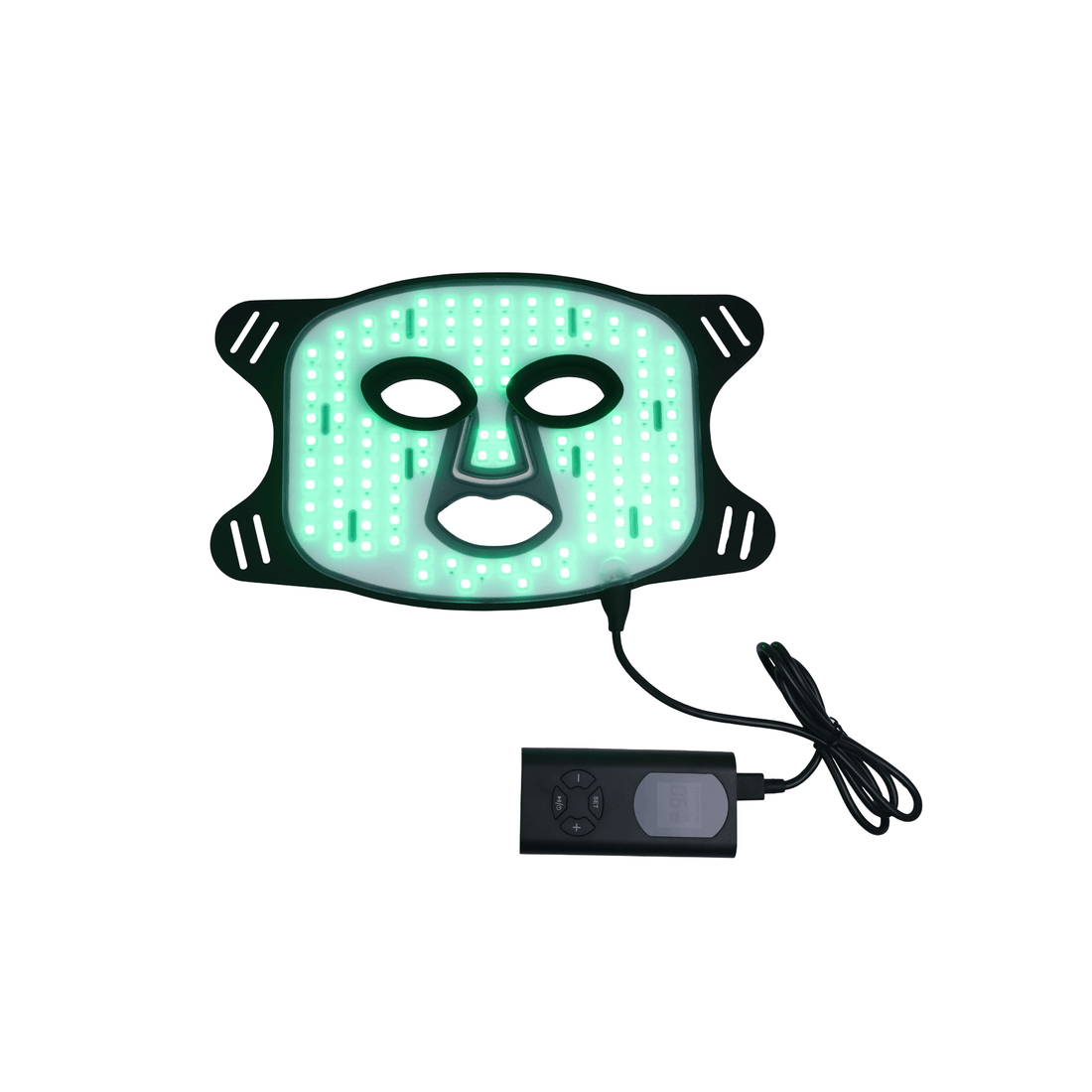
Aging is more than just wrinkles—it's about texture, elasticity, and tone. The Nicebeam Anti-Aging LED Mask is a next-generation skincare device designed to deliver professional-grade light therapy in the comfort of your home. This advanced mask utilizes 7 different LED wavelengths to target specific skin concerns, from fine lines and dark spots to dullness and sagging.
Its soft, food-grade silicone structure ensures comfort and flexibility, while a rechargeable 4000mAh battery and USB-C port make it easy to use anywhere. The dual treatment design covers both the face and neck, providing comprehensive anti-aging care.
Key Features
- LED Therapy: 702 LEDs, 7+1 color options for anti-aging and acne care.
- Brightness & Timer: Adjustable levels with a 0–30 minute timer.
- Safe Material: Soft, skin-friendly, food-grade silicone.
- Dual Coverage: Treats both face and neck simultaneously.
- Remote Control: Allows convenient and customizable use.
- Rechargeable: 4000mAh battery with USB-C charging for portability.
Why Choose Nicebeam?
Nicebeam’s LED technology is clinically tested and dermatologist-approved. Its combination of safety, versatility, and efficiency makes it a perfect choice for those seeking professional-level anti-aging care without the clinic visit. While understanding the types of people should not use a red light therapy mask is crucial, for everyone else, Nicebeam offers an innovative solution to achieve youthful, glowing skin.
Summary Table — When to Use or Avoid Red Light Therapy Masks
| Category | Recommendation |
|---|---|
| Healthy Adults | Safe for regular use (follow manufacturer guidelines) |
| Photosensitive Disorders | Should not use without medical advice |
| On Photosensitizing Drugs | Discontinue use until medication cycle ends |
| Active Skin Infections | Avoid until healed completely |
| Pregnant or Breastfeeding | Consult a healthcare provider before use |
| Eye Disorders | Not recommended due to light sensitivity |
FAQs About Red Light Therapy Masks
Q1: Are red light therapy masks safe for everyone?
While generally safe, there are specific types of people should not use a red light therapy mask due to health conditions or medication effects. Always consult a dermatologist first.
Q2: Can red light therapy cause skin damage?
No, when used properly, it does not damage the skin. However, misuse or overexposure can lead to temporary redness or irritation.
Q3: How often should I use the Nicebeam Anti-Aging LED Mask?
For optimal results, use 3–4 times a week, starting with 10-minute sessions and gradually increasing as your skin adjusts.
Q4: Does the Nicebeam mask treat acne?
Yes. The blue and yellow LED wavelengths target acne-causing bacteria and inflammation while promoting healing.
Q5: Is red light therapy painful?
No, red light therapy is non-invasive and painless, providing a relaxing and rejuvenating experience.