






10 best red light therapy for sinuses 2026
Chronic sinusitis and seasonal allergic rhinitis affect millions globally, often leading to a cycle of over-the-counter decongestants and antibiotics. In 2026, we have seen a significant shift in how patients manage these conditions, with photobiomodulation (PBM) emerging as a front-line solution. Red and near-infrared light therapy have moved from clinical trials into the mainstream, offering a non-invasive way to reduce inflammation and promote drainage. When looking for the best red light therapy for sinuses, it is crucial to understand that not all devices are created equal. The efficacy of the treatment depends on specific wavelengths, irradiance, and the device’s ability to penetrate the facial bone structure.

From our experience, the most successful sinus treatments utilize a combination of red light (around 630-660nm) to manage surface inflammation and near-infrared light (830-1072nm) to reach the deeper sinus cavities. In this guide, we evaluate the top ten devices that have defined the industry this year, focusing on their technical specifications and practical application for respiratory health.
Table of Contents
Understanding the Mechanism of Sinus Relief
Photobiomodulation works by stimulating the mitochondria in our cells to produce more Adenosine Triphosphate (ATP). When applied to the sinus area, this process enhances local blood circulation and triggers the release of nitric oxide. Nitric oxide is a potent vasodilator and has antimicrobial properties, which is particularly beneficial when dealing with bacterial sinus infections. From our experience, the reduction in mucosal edema (swelling of the sinus lining) is often immediate, allowing for easier breathing through the nasal passages.
We recommend red light therapy for sinuses because it addresses the root cause—inflammation—rather than just masking the symptoms. By inhibiting pro-inflammatory cytokines and promoting cellular repair, these devices help the body’s natural immune response clear out stagnant mucus and allergens. This makes it an ideal supplementary treatment for those who struggle with chronic congestion or persistent frontal headaches.
Key Wavelengths: 630nm to 1072nm
The sinuses are situated behind the facial bones, including the maxillary and frontal cavities. Standard red light (660nm) has limited penetration depth and is primarily effective for the nasal mucosa. To reach the deeper cavities, near-infrared (NIR) light is essential. Wavelengths such as 850nm and 1072nm can penetrate several centimeters into tissue and bone. We have found that the 1072nm laser wavelength is particularly effective in 2026 for its unique ability to stimulate the recovery of damaged mucosal tissue and its superior penetration profile.
Top 10 Best Red Light Therapy Devices for Sinuses
1. Nicebeam LED Red Light Therapy Face Mask
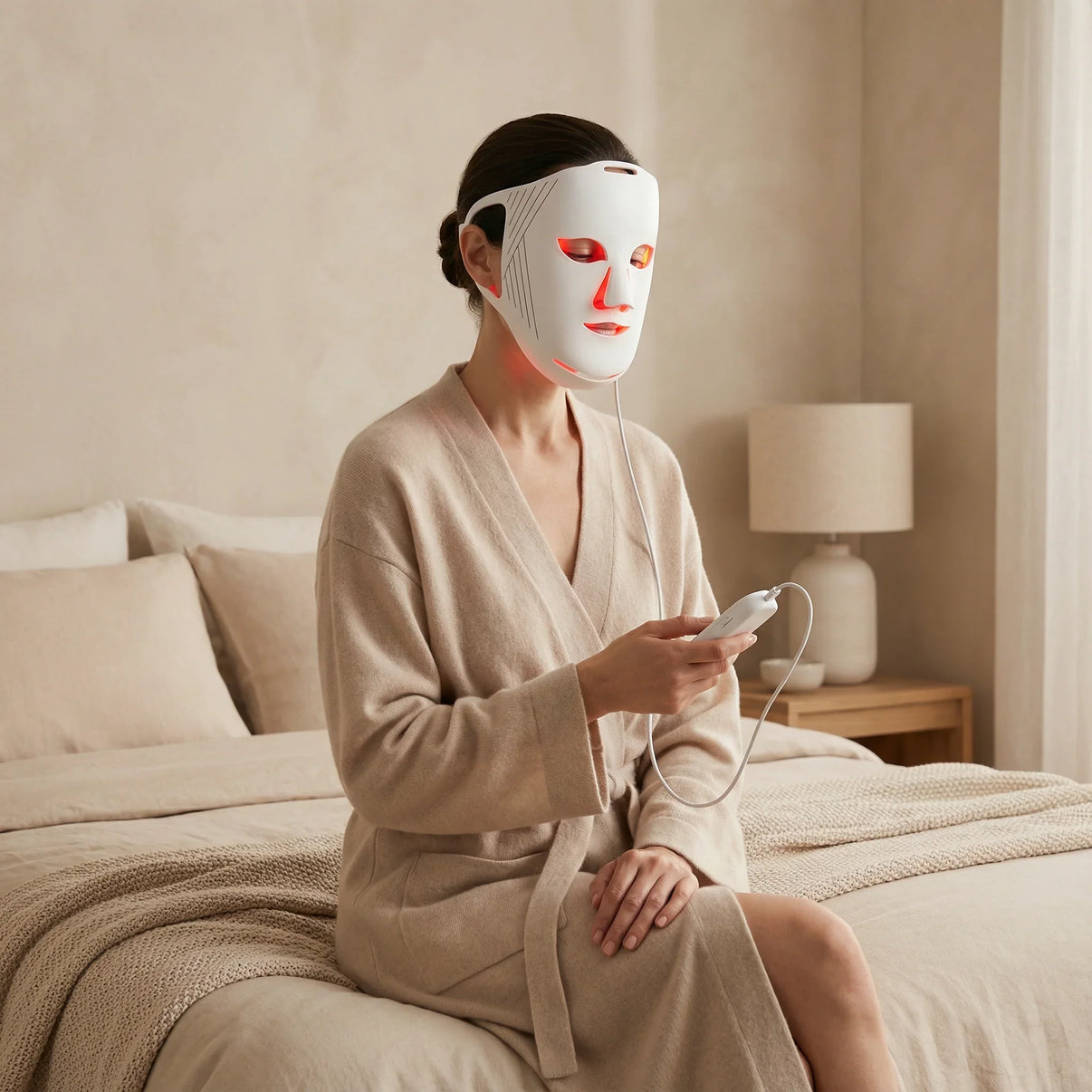
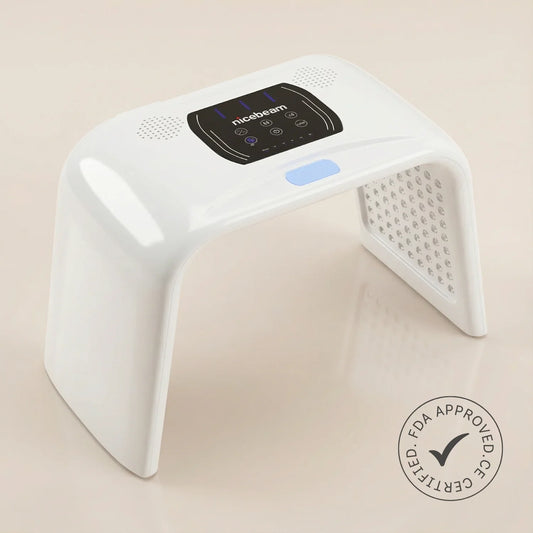
The Nicebeam LED Face Mask is our top recommendation for comprehensive sinus treatment. Unlike standard masks that only offer red and blue light, this medical-grade silicone mask integrates 630nm (Red), 850nm (Near-Infrared), and 1072nm (Laser) light. This specific 1072nm laser frequency is a game-changer for sinus sufferers, as it penetrates deeper than traditional LEDs to target the maxillary sinuses located behind the cheeks. The mask's cordless design and 10-minute pre-set sessions make it practical for daily use. From our experience, the anti-aging mode (630nm + 850nm + 1072nm) provides the most profound relief for chronic congestion by reducing internal swelling and improving local oxygenation.
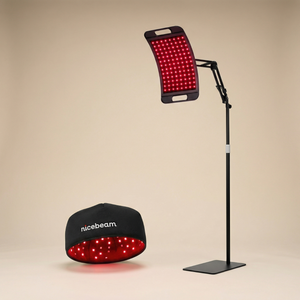
2. Nicebeam 9-in-1 Laser Light Therapy Lamp
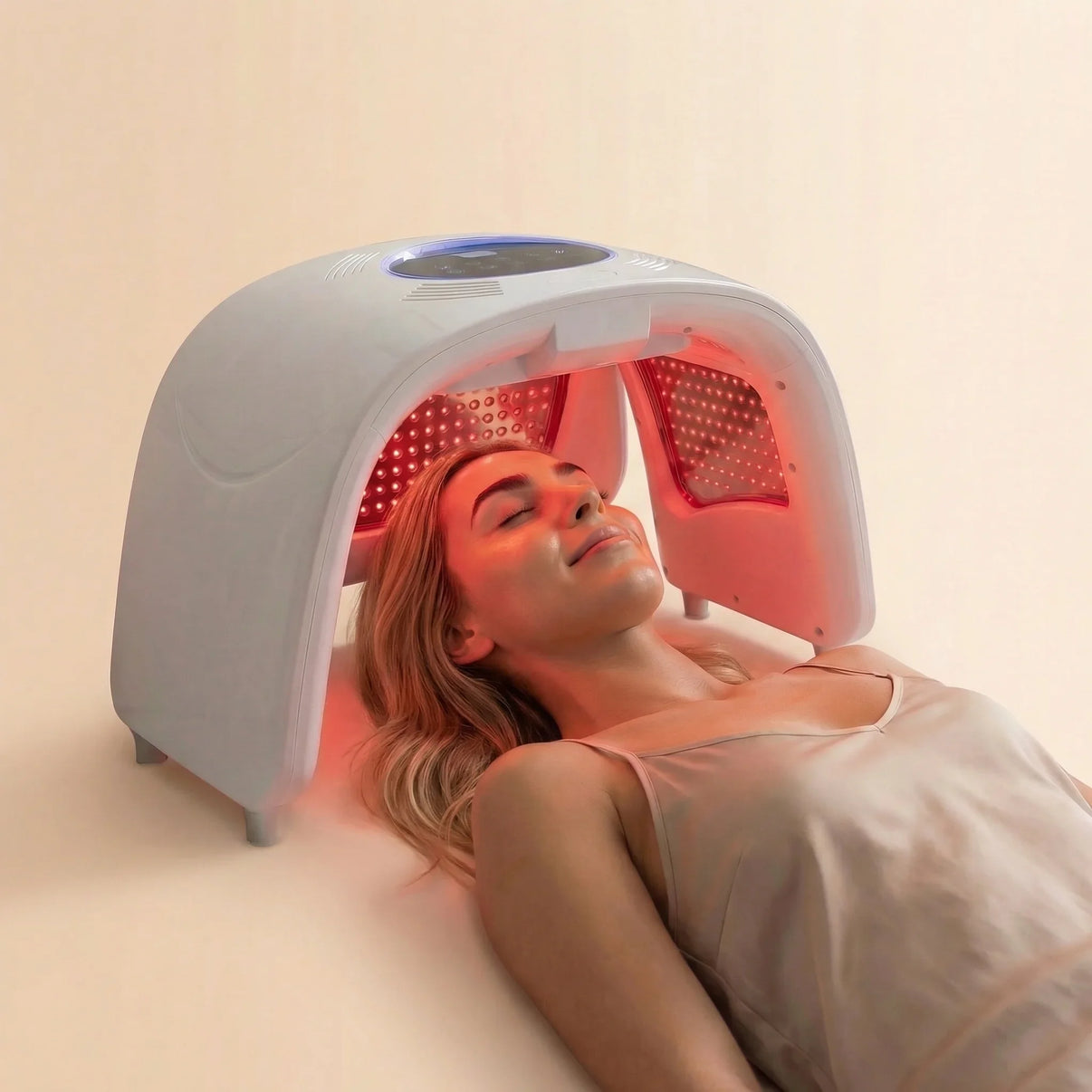
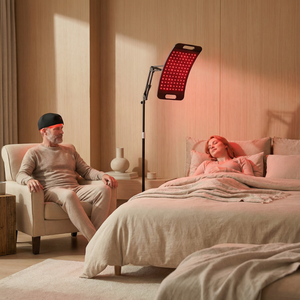
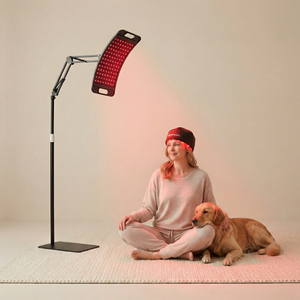
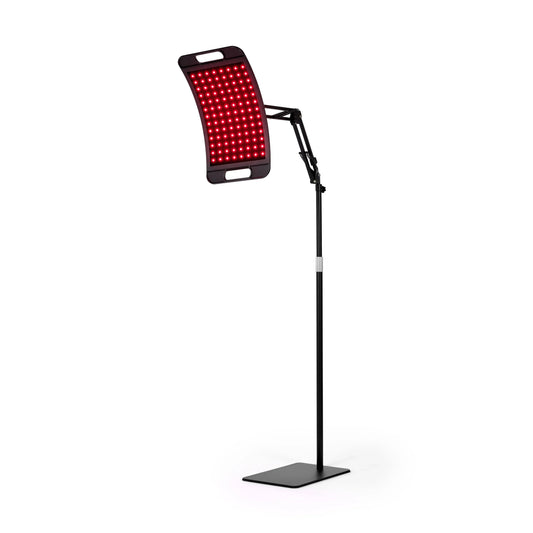
For those who prefer a professional-grade station at home, the Nicebeam 9-in-1 Therapy Lamp offers a unique advantage for sinus health: Nano Spray and Heating. Sinus issues are often exacerbated by dry air. The integrated nano spray moisturizes the skin and humidifies the immediate breathing environment, while the heating feature provides a comfortable ambient temperature that promotes vasodilation. This lamp utilizes nine light modes, including targeted laser therapy to stimulate follicles and deep tissue. We recommend using the foldable lamp over a desk or bed to allow the light to permeate the frontal and ethmoid sinuses without the need for a wearable device. It is a robust solution for full-body wellness that effectively doubles as a high-intensity sinus treatment tool.
3. Vielight Nasal (Vielight 633/655)
Vielight is a pioneer in intranasal photobiomodulation. Their nasal applicator delivers light directly into the nasal cavity, targeting the mucosa where inflammation is most acute. While smaller in scale, its direct application makes it highly efficient. It is often used to systemic benefits, but for local sinus relief, it remains a gold standard in clinical precision.
4. Joovv Go 2.0
The Joovv Go 2.0 is a portable handheld device that allows for targeted treatment of the frontal and maxillary sinuses. It features 660nm and 850nm wavelengths. Its portability is excellent for travelers who suffer from "airplane sinus" caused by pressure changes. However, it requires the user to hold it in place for the duration of the treatment.
5. BioLight Shine
The BioLight Shine is a high-irradiance handheld device designed for focused therapy. It stands out for its flicker-free technology and low EMF output. When placed against the bridge of the nose or the forehead, it delivers a high concentration of NIR light, which we recommend for alleviating acute sinus pressure and tension headaches.
6. RedLightMan Sinus Light
Specifically engineered for targeted facial use, this device from RedLightMan focuses on the most effective wavelengths for mucosal health. It is a corded handheld unit that provides a balance of red and infrared light. It is particularly valued by users who want a simple, no-frills device focused solely on respiratory and facial applications.
7. Mito Red Light MitoGo
The MitoGo is a small, battery-powered panel that can be placed on a table. It offers high irradiance, which ensures that even shorter sessions are effective. For sinus treatment, its larger surface area compared to handhelds means it can cover the entire face simultaneously, treating all sinus cavities in a single session.
8. Kineon Move+ Pro
While often marketed for joint pain, the Kineon Move+ Pro uses a combination of LEDs and medical-grade lasers. Its modular design allows it to be strapped or held against the face. The laser component provides the deep penetration required for the deeper ethmoid sinuses, making it a versatile tool for those with multi-area chronic pain.
9. Vielight Neuro Alpha
Although primarily a brain-targeting device, the Neuro Alpha includes a nasal applicator that delivers pulsed 810nm NIR light. Pulsed light (10Hz) has been shown to be particularly effective in tissue recovery. For those who experience cognitive fog due to sinus congestion, this device offers a dual-benefit approach.
10. PlatinumLED Therapy Lights BioMax 300
The BioMax 300 is a compact panel that utilizes five different wavelengths (630nm, 660nm, 810nm, 830nm, 850nm). This spectral breadth is ideal for multifaceted sinus issues. By covering both the visible red and multiple NIR frequencies, it ensures that every layer of tissue—from the skin to the deep bone—receives optimal energy. It is best used as part of a comprehensive home health setup.
Technical Comparison Table
| Device Name | Wavelengths | Device Type | Key Sinus Feature |
|---|---|---|---|
| Nicebeam Face Mask | 415nm, 630nm, 850nm, 1072nm | Wearable Mask | 1072nm Laser for deep sinus penetration |
| Nicebeam 9-in-1 Lamp | 9 Modes + Laser | Foldable Lamp | Nano Spray & Heating for mucosal hydration |
| Vielight Nasal | 633nm or 655nm | Intranasal | Direct application to nasal mucosa |
| Joovv Go 2.0 | 660nm, 850nm | Handheld | Compact portability for travel |
| BioLight Shine | 660nm, 850nm | Handheld | Zero-flicker targeted treatment |
| MitoGo | 660nm, 850nm | Small Panel | High irradiance and full face coverage |
Expert Best Practices for Treatment
Achieving the best results with red light therapy for sinuses requires consistency and proper technique. We recommend the following protocols based on clinical observations and user feedback:
- Consistency: Treat the area 1-2 times daily. For chronic conditions, a consistent morning and evening session is more effective than sporadic high-intensity use.
- Proximity: Keep the device close to the skin. For panels like the BioMax or MitoGo, a distance of 6-12 inches is standard. For masks like the Nicebeam LED mask, the direct contact ensures maximum light absorption into the tissue.
- Session Length: 10 to 15 minutes per session is the optimal "sweet spot." Over-exposure can lead to diminishing returns where the cells become saturated and stop responding to the stimulus.
- Hydration: If using a device like the Nicebeam 9-in-1 Lamp, utilize the nano spray. Hydrated mucous membranes are significantly more responsive to light therapy and clear mucus more efficiently.
- Internal Linking: For those looking for broader recovery options, consider exploring our best red light therapy for full body guide or our near infrared light therapy devices guide for deeper tissue health.
Frequently Asked Questions
Is red light therapy safe for the eyes?
While red light is generally safe, near-infrared light is invisible and can be intense. We recommend using the eye protection provided with devices like the Nicebeam Lamp or ensuring the integrated eye shields in the Nicebeam Mask are properly positioned. Avoid staring directly into high-intensity LEDs.
How long does it take to see results for sinus congestion?
From our experience, many users report a reduction in pressure within the first 10-15 minutes of the initial session. For chronic sinusitis, it may take 2-4 weeks of consistent daily use to see a lasting reduction in symptom frequency.
Can I use red light therapy while I have an active sinus infection?
Yes. Red light therapy can support the immune response. However, it should be used as a complementary therapy alongside any medications prescribed by your physician. The nitric oxide release stimulated by the light may help combat local bacterial load.
Should I choose a panel or a mask for sinuses?
Masks are generally better for targeted sinus work because they wrap around the contours of the face, ensuring even light distribution to the cheeks and forehead. If you are interested in comparing different form factors, check out our red light therapy bag vs panel comparison.
Scientific References
To ensure our readers have access to the highest quality information, we reference the following clinical and academic sources regarding photobiomodulation and sinus health:
- National Institutes of Health (NIH): Photobiomodulation and Inflammation
- PubMed: The Effect of 630 nm Low-Level Laser Therapy on Allergic Rhinitis
- ScienceDirect: Mechanisms of Photobiomodulation in Respiratory Tissues
- Scientific Reports (Nature): Infrared Light and Nitric Oxide Vasodilation
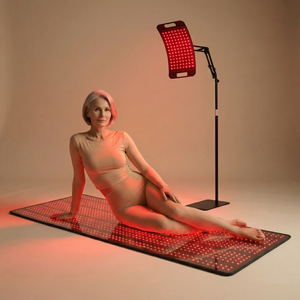
In summary, managing sinus health in 2026 no longer has to rely solely on pharmaceuticals. By utilizing the best red light therapy for sinuses, such as the innovative 1072nm laser technology found in Nicebeam products, users can achieve sustainable relief from inflammation and congestion. For those looking to expand their home wellness setup, we also recommend reviewing our red light therapy mat buying guide to ensure a comprehensive approach to systemic health.