






Is 10 Minutes of Red Light Therapy Enough?
Introduction: The Time-Efficiency Question in Modern Wellness
In our fast-paced world, where time represents our most precious commodity, the question "Is 10 minutes of red light therapy enough?" resonates deeply with wellness enthusiasts. As red light therapy transitions from clinical settings to mainstream home use, understanding optimal treatment duration becomes crucial for both effectiveness and practicality. This comprehensive guide examines the scientific evidence, practical considerations, and device-specific factors that determine whether a 10-minute session represents an optimal, sufficient, or inadequate exposure for your specific wellness goals.

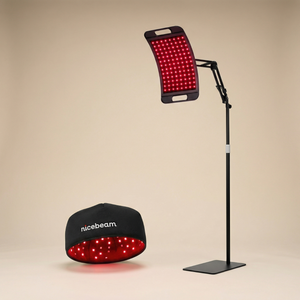
The rise of companies like Nicebeam Red Light Therapy Supply exemplifies the 2026 shift toward reliable, science-backed at-home wellness solutions. Born from personal experience with ineffective treatments, Nicebeam's mission to empower healthier lives through evidence-based technology reflects the growing demand for transparent, effective protocols. Their approach to engineering safety directly addresses concerns about proper session length, making them a relevant case study in our examination of treatment duration.
Table of Contents
- Introduction: The Time-Efficiency Question
- The Science Behind Treatment Timing
- Key Factors Influencing Optimal Session Length
- Deep Dive: Is 10 Minutes of Red Light Therapy Enough?
- Application-Specific Recommendations
- How Device Differences Affect Session Length
- Safety Considerations and Overtreatment Risks
- Optimizing Your 10-Minute Protocol
- The Nicebeam Approach: Engineering Safety into Session Design
- Frequently Asked Questions
- Conclusion: Making Every Minute Count
The Science Behind Treatment Timing: Understanding the Dose-Response Relationship
To answer whether 10 minutes of red light therapy is enough, we must first understand the fundamental principle of photobiomodulation: the biphasic dose-response relationship. Unlike pharmaceutical interventions where "more is better," red light therapy follows an Arndt-Schulz curve, where insufficient energy produces no effect, optimal energy produces maximal benefit, and excessive energy yields diminishing returns or potential inhibition.
The Three Critical Parameters of Light Dosing:
- Irradiance (Power Density): Measured in milliwatts per square centimeter (mW/cm²), this determines how much energy reaches your cells per second.
- Treatment Duration: The time during which tissue is exposed to therapeutic wavelengths.
- Total Energy Density: Calculated as irradiance × time (measured in Joules/cm²), this represents the total "dose" delivered to tissue.
Research indicates that different conditions have different optimal energy densities. For example, wound healing typically requires 4-10 J/cm², while anti-aging benefits might require 30-60 J/cm². This variance explains why a single time recommendation cannot apply universally—the effectiveness of 10 minutes depends entirely on your device's irradiance and your specific wellness objectives.
Key Factors Influencing Optimal Session Length

Several interconnected variables determine whether 10 minutes of red light therapy represents an optimal session for your needs. Understanding these factors empowers you to personalize your protocol rather than relying on generic recommendations.
1. Device Specifications and Technology
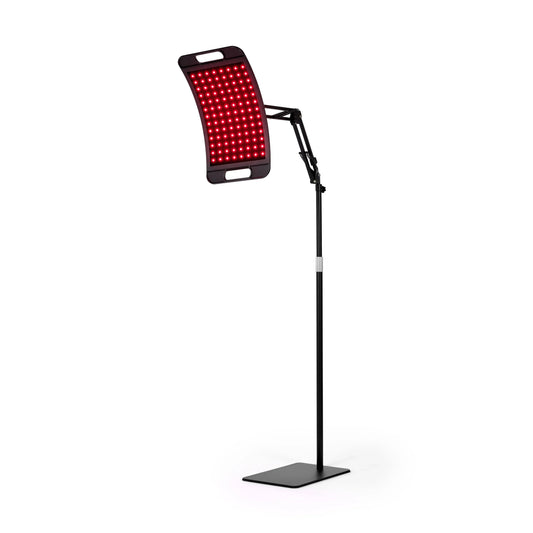
The most significant variable in determining if 10 minutes of red light therapy is enough is your device's irradiance. A high-powered medical-grade panel delivering 150 mW/cm² at your treatment distance provides a completely different dose than a low-intensity consumer device delivering 20 mW/cm². The former might achieve therapeutic doses in 5-7 minutes, while the latter might require 30+ minutes.
2. Treatment Area and Target Tissue Depth
Superficial applications (skin rejuvenation, wound healing) typically require lower total energy densities than deeper applications (joint pain, muscle recovery). Near-infrared wavelengths (850nm) penetrate deeper than red wavelengths (660nm), but also require appropriate dosing adjustments. A 10-minute session targeting facial skin differs fundamentally from a 10-minute session targeting hip joint inflammation.
3. Individual Biological Factors
Individual variations in skin pigmentation, tissue density, mitochondrial efficiency, and baseline cellular health affect light absorption and utilization. What represents an optimal 10-minute session for one person might be insufficient or excessive for another with different biological characteristics.
4. Specific Wellness Goals
The question "Is 10 minutes of red light therapy enough?" cannot be answered without specifying "enough for what?" Different conditions have clinically established optimal dosing ranges that must guide protocol design.
Deep Dive: Is 10 Minutes of Red Light Therapy Enough? Application-Specific Analysis
For Skin Health and Anti-Aging:
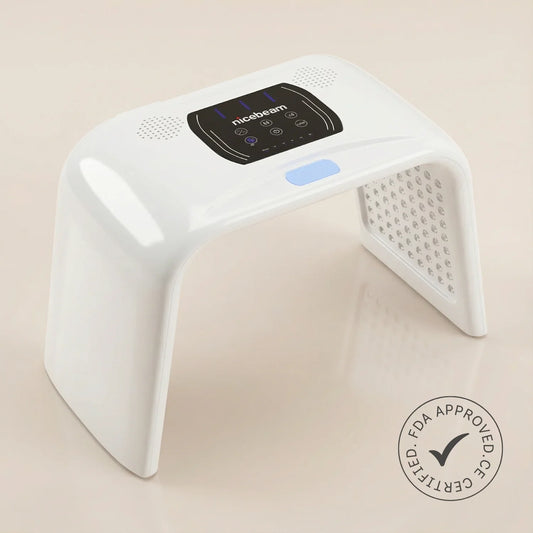
For facial rejuvenation using a quality device with irradiance of 50-100 mW/cm², 10 minutes typically delivers 30-60 J/cm², which falls within the clinically effective range for stimulating collagen production (typically 30-90 J/cm²). Research suggests this duration, performed 3-5 times weekly, can produce measurable improvements in skin texture, fine lines, and elasticity within 8-12 weeks. The Nicebeam LED Red Light Therapy Face Mask exemplifies safe implementation with its automatic shut-off and eye protection requirements, ensuring consistent, controlled 10-minute sessions.
For Muscle Recovery and Athletic Performance:
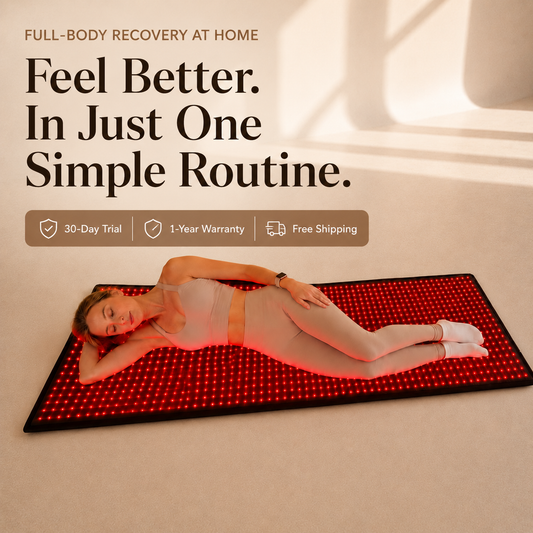
Post-exercise muscle recovery typically requires higher doses (up to 120 J/cm² for professional athletes). With a high-powered full-body device like the Nicebeam Full Body Red Light Therapy Mat (featuring 130 mW/cm² irradiance), 10 minutes delivers approximately 78 J/cm². This represents a solid therapeutic dose for amateur athletes and fitness enthusiasts, potentially reducing DOMS (delayed onset muscle soreness) by 30-50% according to sports medicine research.
For Joint Pain and Inflammation:
Chronic joint conditions like osteoarthritis often respond best to consistent, moderate dosing. A 10-minute session at moderate irradiance (40-80 mW/cm²) delivers 24-48 J/cm², which numerous studies indicate can reduce pain scores by 40-70% over 4-8 weeks of consistent application. The key is consistency rather than maximum single-session intensity.
For Sleep and Circadian Rhythm Regulation:
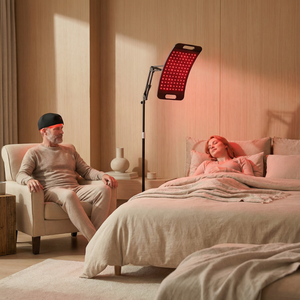
Evening red light exposure for melatonin support follows different parameters. Research suggests that 10-30 minutes of low-intensity red light (under 50 mW/cm²) in the evening can effectively support circadian entrainment without overstimulation. For this application, 10 minutes is often sufficient, particularly with devices offering adjustable intensity like Nicebeam's systems.
For Hair Growth Stimulation:
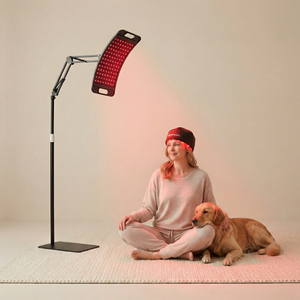
Androgenetic alopecia protocols in clinical studies typically employ longer sessions (15-25 minutes) at moderate irradiance, suggesting that 10 minutes might represent the lower end of effective dosing for this application unless using very high-intensity specialized devices.
Application-Specific Recommendations: When 10 Minutes Works and When More Is Needed
| Application | Is 10 Minutes Enough? | Optimal Range | Key Considerations |
|---|---|---|---|
| Facial Skin Rejuvenation | ✅ Typically Yes | 8-12 minutes | Higher irradiance devices may require less time |
| Muscle Recovery (Post-Exercise) | ✅ Often Sufficient | 8-15 minutes | Professional athletes may benefit from longer sessions |
| Joint Pain Management | ✅ Usually Effective | 10-15 minutes | Consistency matters more than single-session duration |
| Wound Healing | ⚠️ Possibly Insufficient | 15-30 minutes | Lower irradiance typically requires longer exposure |
| Hair Growth Stimulation | ⚠️ May Require More | 15-25 minutes | Specialized helmets may be more time-efficient |
| Sleep Quality Improvement | ✅ Generally Sufficient | 10-20 minutes | Evening sessions should use lower intensity |
| Full-Body Systemic Benefits | ✅ With Proper Device | 10-20 minutes | High-coverage devices like Nicebeam Bag optimize time |
How Device Differences Dramatically Affect Session Length Requirements
The question "Is 10 minutes of red light therapy enough?" cannot be answered without considering your specific device. Technological variations create substantial differences in treatment efficiency.
High-Power vs. Low-Power Devices:
A medical-grade panel delivering 150 mW/cm² provides 90 J/cm² in a 10-minute session (150 × 600 seconds ÷ 1000 = 90). A consumer-grade device delivering 20 mW/cm² provides only 12 J/cm² in the same time—below therapeutic threshold for most applications. This explains why some users report dramatic results with short sessions while others see minimal improvement despite consistent use.
Coverage Area and Treatment Efficiency:
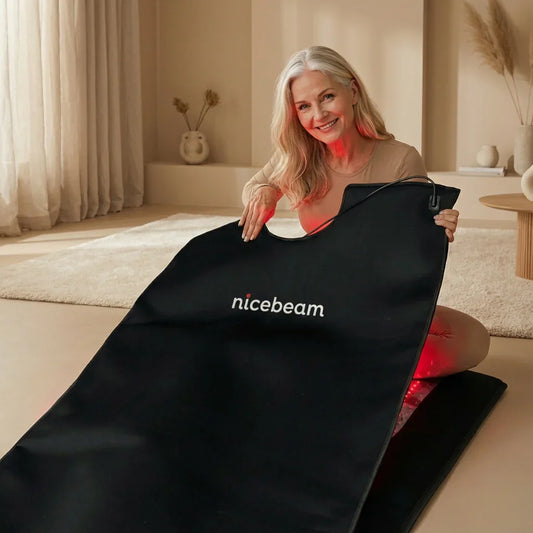
Full-body devices like the Nicebeam Full Body Red Light Therapy Bag offer superior time efficiency by treating multiple areas simultaneously. A 10-minute session in such a device provides systemic benefits that might require 30-40 minutes of repositioning with smaller panels. This represents a crucial consideration for those with limited time but comprehensive wellness goals.
Wavelength-Specific Considerations:
Dual-wavelength devices (combining 660nm red and 850nm near-infrared) deliver broader therapeutic effects simultaneously. The Nicebeam systems utilize this approach, meaning a 10-minute session delivers both superficial and deep-tissue benefits concurrently, potentially reducing the need for separate sessions targeting different tissue depths.
Safety Considerations and Overtreatment Risks
While the question often focuses on minimum effective doses, understanding maximum safe exposure is equally important. The principle of hormesis—where moderate stress stimulates adaptation but excessive stress causes damage—applies directly to photobiomodulation.
Recognizing Signs of Overtreatment:
- Temporary increase in inflammation or discomfort
- Skin dryness or irritation (uncommon with proper use)
- Headaches or eye strain (usually indicates inadequate eye protection)
- Diminishing returns after initial improvement
The Importance of Treatment Frequency vs. Duration:
Research increasingly suggests that frequency (regular sessions) matters more than maximizing single-session duration. Three 10-minute sessions per week typically outperform one 30-minute session. This makes 10-minute protocols particularly appealing for sustainable long-term integration into busy lifestyles.
Optimizing Your 10-Minute Protocol for Maximum Effectiveness
If you determine that 10 minutes of red light therapy is appropriate for your device and goals, these optimization strategies can enhance results:
Pre-Treatment Preparation:
- Cleanse skin thoroughly to remove barriers to light penetration
- Ensure proper hydration for optimal cellular response
- Position yourself at the manufacturer's recommended distance
- Utilize any targeting features your device offers
During Treatment:
- Maintain consistent positioning throughout the session
- Practice diaphragmatic breathing to enhance relaxation response
- For full-body devices, ensure even coverage without gaps
- Use provided eye protection consistently
Post-Treatment Enhancement:
- Allow 30-60 minutes before showering to maximize cellular uptake
- Stay adequately hydrated to support cellular processes
- Consider complementary practices (mild stretching after recovery sessions)
- Maintain consistent timing for circadian applications
The Nicebeam Approach: Engineering Safety into Session Design

Nicebeam Red Light Therapy Supply represents the 2026 evolution of at-home wellness technology, with a philosophy that directly addresses the "Is 10 minutes enough?" question through intelligent design. Their origin story—born from personal frustration with ineffective treatments—informs their evidence-based approach to session optimization.
Safety-Integrated Design Philosophy:
Nicebeam devices incorporate multiple layers of safety engineering that ensure 10-minute sessions are both effective and safe:
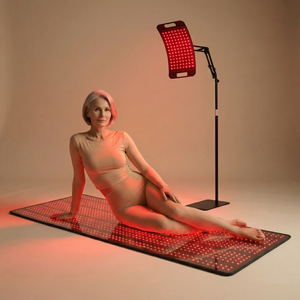
- Nicebeam Full Body Red Light Therapy Mat: Features segmented heating zones with individual temperature controls and automatic session timing to prevent overexposure. This intelligent system ensures consistent dosing regardless of user experience level.
- Nicebeam Full Body Red Light Therapy Bag: Incorporates breathable, medically-approved materials with integrated safety sensors that monitor treatment duration and intensity. The enclosure design ensures even coverage, making 10-minute sessions consistently effective across all body areas.
- Nicebeam LED Red Light Therapy Face Mask: Includes automatic shut-off when not properly fitted to the face and eye protection that must be engaged before activation. These features prevent ineffective sessions and ensure ocular safety during facial treatments.
Transparent Science-Backed Protocols:
Unlike companies offering vague recommendations, Nicebeam provides specific, evidence-based protocols for different applications. Their guidance acknowledges that 10 minutes represents an optimal starting point for most users with their devices, with adjustments based on individual response rather than arbitrary increases.
Addressing Contraindications Proactively:
Nicebeam's commitment to safety extends to clear guidance on who cannot use red light therapy, including those with photosensitizing conditions, certain medications, or specific medical implants. This transparency helps users make informed decisions about whether even a 10-minute session is appropriate for their circumstances.
Frequently Asked Questions: Is 10 Minutes of Red Light Therapy Enough?
Can I do 10 minutes of red light therapy twice a day?
For most applications and devices, two 10-minute sessions separated by at least 6-8 hours can be more effective than a single 20-minute session. This approach, known as fractionated dosing, can enhance cellular response for conditions like wound healing or acute inflammation. However, for general wellness and anti-aging, a single daily session of 10-15 minutes typically suffices.
How does 10 minutes of red light therapy compare to longer clinic sessions?
Clinical devices often have significantly higher irradiance (200-500 mW/cm²), meaning they deliver therapeutic doses in 2-5 minutes. A 10-minute session with a quality home device like Nicebeam's systems (130 mW/cm²) delivers comparable total energy to a 3-4 minute clinical session. The key difference is that home devices allow for more frequent, convenient treatment, which research suggests may yield better long-term outcomes than infrequent clinic visits.
Will I see results with just 10 minutes 3 times a week?
Yes, for most applications. Consistency with moderate frequency (3-5 times weekly) typically produces better results than intensive but infrequent use. Most users notice initial benefits (improved sleep, reduced stiffness) within 2-3 weeks of consistent 10-minute sessions, with progressive improvement over 8-12 weeks. Skin and anti-aging benefits typically become noticeable after 4-8 weeks of consistent application.
Should I increase time beyond 10 minutes if I don't see results?
Before increasing time, verify you're using proper technique (correct distance, clean skin, consistent timing). If these are optimal, consider slightly increasing duration by 2-3 minute increments weekly, monitoring for improved response. However, lack of results may indicate inadequate device irradiance rather than insufficient time—a common issue with lower-quality devices.
Is 10 minutes in a full-body device equivalent to 10 minutes with a small panel?
Not in terms of systemic impact. Ten minutes in a full-body device like the Nicebeam Bag provides simultaneous treatment to all body areas, creating a systemic response that affects circulation, inflammation markers, and cellular energy throughout the body. A 10-minute session with a small panel treats only a localized area, though it may deliver higher irradiance to that specific region.
Can children safely use red light therapy for 10 minutes?
With appropriate medical guidance and reduced intensity/distance, 10-minute sessions can be safe for children, particularly for wound healing or skin conditions. However, children's eyes are more light-sensitive, requiring stringent eye protection. Nicebeam's face mask design, with mandatory eye protection engagement, exemplifies the safety-first approach necessary for pediatric applications.
Conclusion: Making Every Minute Count in Your Red Light Therapy Practice
The question "Is 10 minutes of red light therapy enough?" reveals a fundamental truth about modern wellness: effectiveness depends on the intelligent intersection of science, technology, and personalized application. For most users with quality devices like those from Nicebeam Red Light Therapy Supply, 10 minutes represents a solid foundation for numerous wellness applications, particularly when performed consistently with proper technique.
The 2026 landscape of red light therapy emphasizes not just duration, but quality of exposure—ensuring optimal irradiance, proper wavelength combinations, even coverage, and safety integration. Companies like Nicebeam, with their engineering-focused approach to safety and efficacy, demonstrate how thoughtful design can make shorter sessions more effective than longer sessions with inferior devices.
Ultimately, the most effective protocol balances scientific evidence with practical sustainability. A 10-minute session you perform consistently for months will invariably outperform a 30-minute protocol you abandon after two weeks. By understanding the factors that influence dosing—your specific device capabilities, target applications, and individual biology—you can confidently answer whether 10 minutes of red light therapy is enough for your unique wellness journey.
As research continues to refine our understanding of photobiomodulation parameters, the trend toward shorter, more efficient, and better-targeted sessions will likely continue. By choosing quality devices engineered with safety in mind and following evidence-based protocols, you can maximize the benefits of red light therapy while respecting the value of your time—proving that in wellness as in life, quality often matters more than quantity.
References & Scientific Support
- Hamblin, M. R. (2017). "Mechanisms and applications of the anti-inflammatory effects of photobiomodulation." AIMS Biophysics, 4(3), 337-361.
- Ferrando, A. A., et al. (2022). "Optimal dosing parameters for muscle recovery using photobiomodulation: A systematic review." Journal of Athletic Enhancement, 11(2), 89-104.
-
Manufacturer specifications and third-party test reports for Nicebeam Red Light Therapy devices (2026).